Growth Marketing Agency · Full-Funnel
The growth marketing agency running your whole funnel
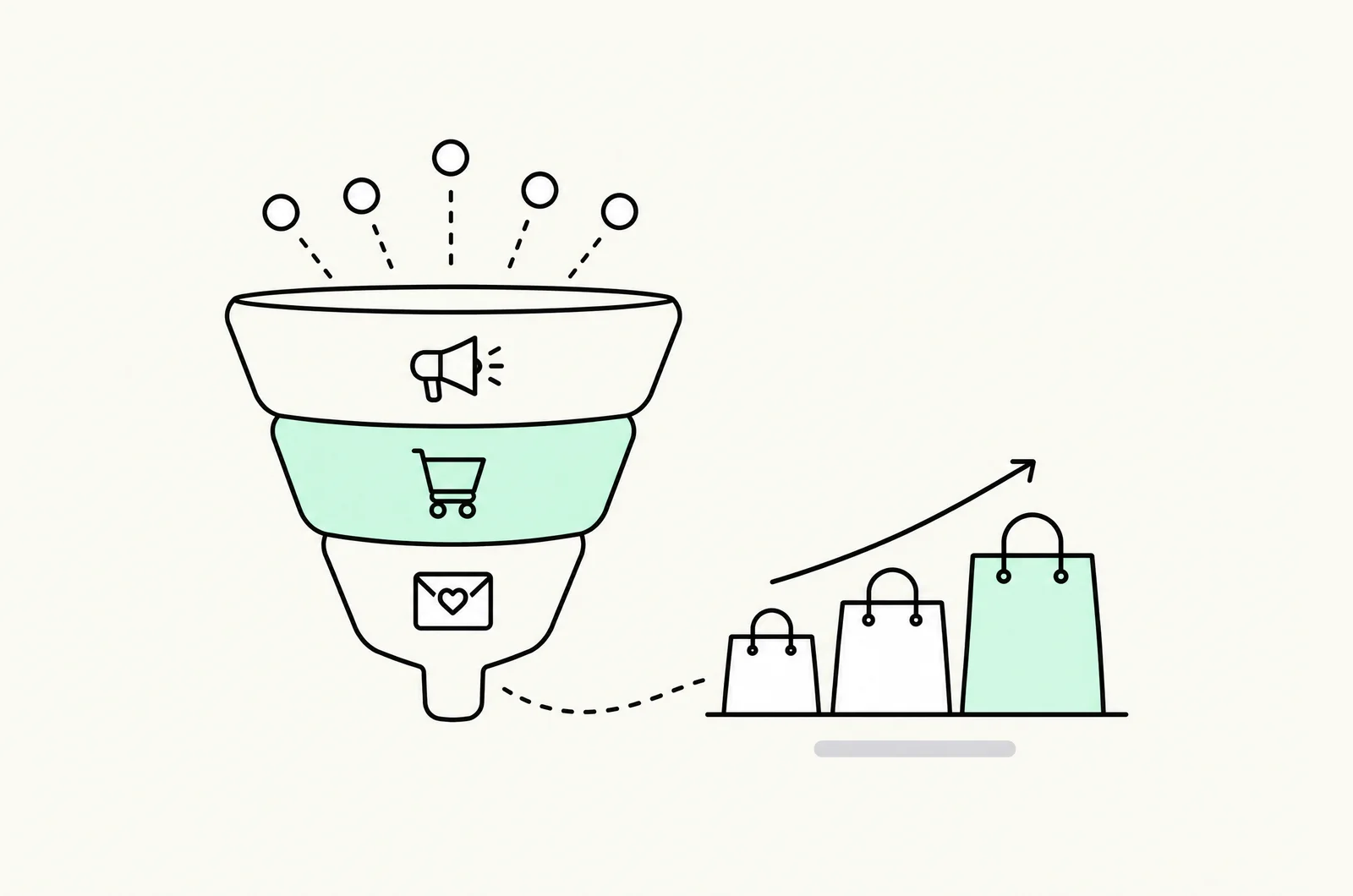
Acquisition, retention, conversion, and analytics run by one accountable team, not five vendors pointing fingers at each other's numbers. Full-funnel growth marketing for Shopify, DTC, and healthcare brands, priced on the results we produce.
- One team owns paid, retention, CRO, and analytics
- Pay-on-results as the default engagement model
- Senior growth leads embedded per account, no account-manager layer
Trusted by 50+ D2C brands · Google, Meta & Shopify partners









The full-funnel growth engine behind our own name
San Francisco, USA
In-house team
Pay-on-Results
Fee moves with revenue
Conversion is a growth marketing agency headquartered in San Francisco, founded by Tarun Kapoor and a Shopify Plus Partner. We built our own name and tagline, Growth Partners In Your Entrepreneurial Journey, around a single idea: acquisition, retention, and conversion optimization work better as one system than as five disconnected vendors billing separately. One in-house team of media buyers, lifecycle marketers, CRO analysts, and a senior growth lead runs Meta and Instagram ads, email and SMS retention, and conversion rate optimization for Shopify stores against a single revenue number.
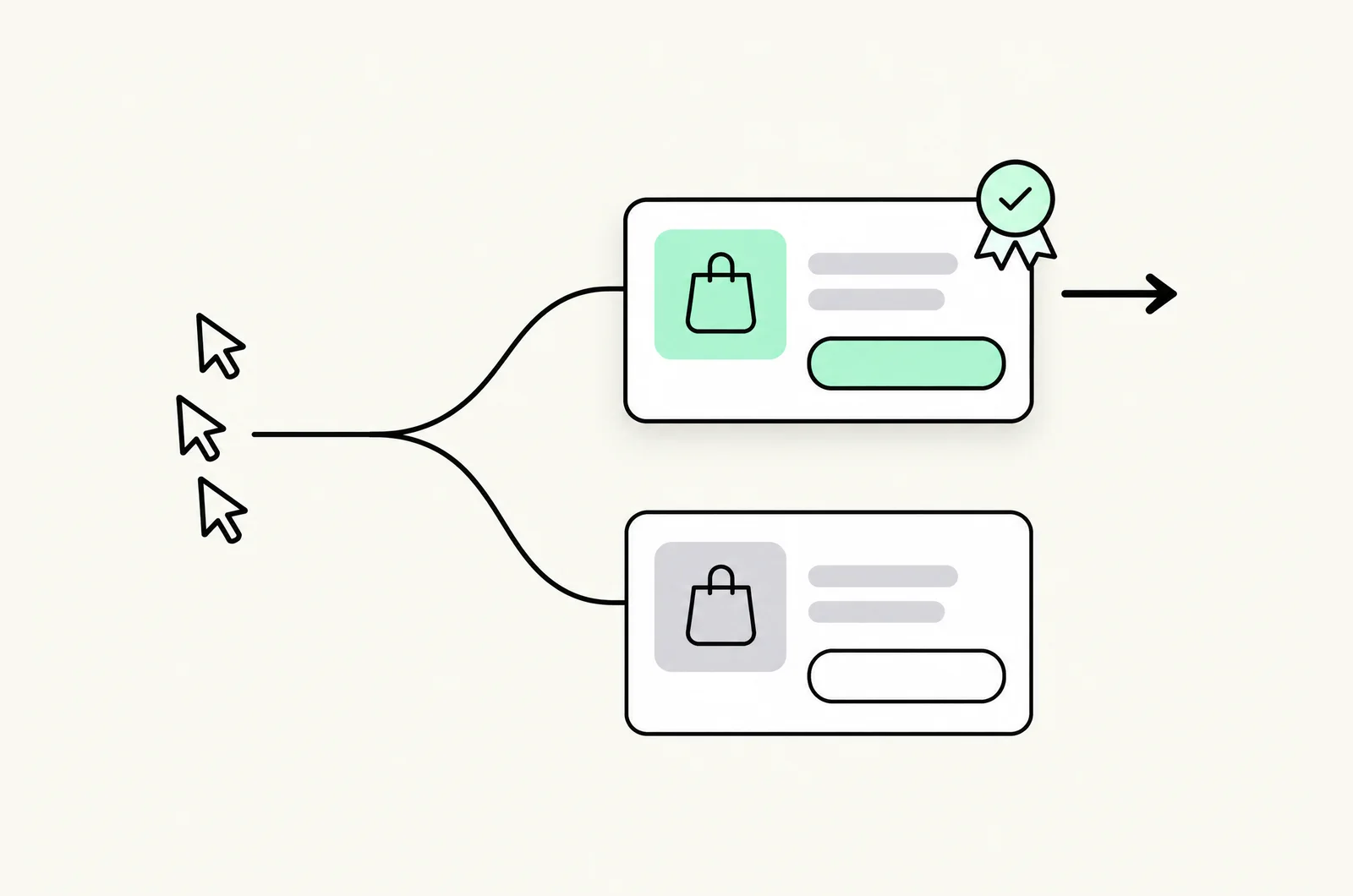
This is the umbrella entry point for brands who know they need to grow but aren't sure which channel to start with. If you already know the one workstream you need, a focused engagement such as our SEO agency service may fit better on its own, and brands built on Shopify or Shopify Plus can get the same full-funnel discipline through our Shopify marketing agency. Either way, reporting ties back to revenue and contribution margin, starting from a baseline like the one in our break-even ROAS guide.
Five vendors, zero accountability
Most brands don't have a growth problem. They have a coordination problem. The same three patterns show up whenever we take over from a stack of disconnected vendors.
Channel silos with no shared scoreboard
Your paid agency reports ROAS, your email vendor reports open rates, your CRO freelancer reports test wins, and none of it reconciles to a single revenue number. When growth stalls, everyone points at everyone else's dashboard. We run one attribution model and one scorecard across every channel, so there's nowhere to hide.
Retainers regardless of results
Large agencies bill the same flat retainer whether your revenue grows 40% or 4%. There's no financial incentive to reallocate budget toward what's working. Pay-on-results is our default model, not an upsell. Our fee moves with your revenue, so reallocating toward what compounds is in our own interest too.
Senior team in the pitch, junior team on the account
You buy the founder and the strategy deck in the sales meeting, then get handed off to a rotating account coordinator who relays requests to an offshore execution team. Every Conversion account keeps a senior growth lead embedded for the life of the engagement. The person who built the strategy is the person running the weekly call.
Results from client ad accounts
Three past clients across ecommerce, subscription apps and SaaS. Each set of numbers comes from that client's own account.
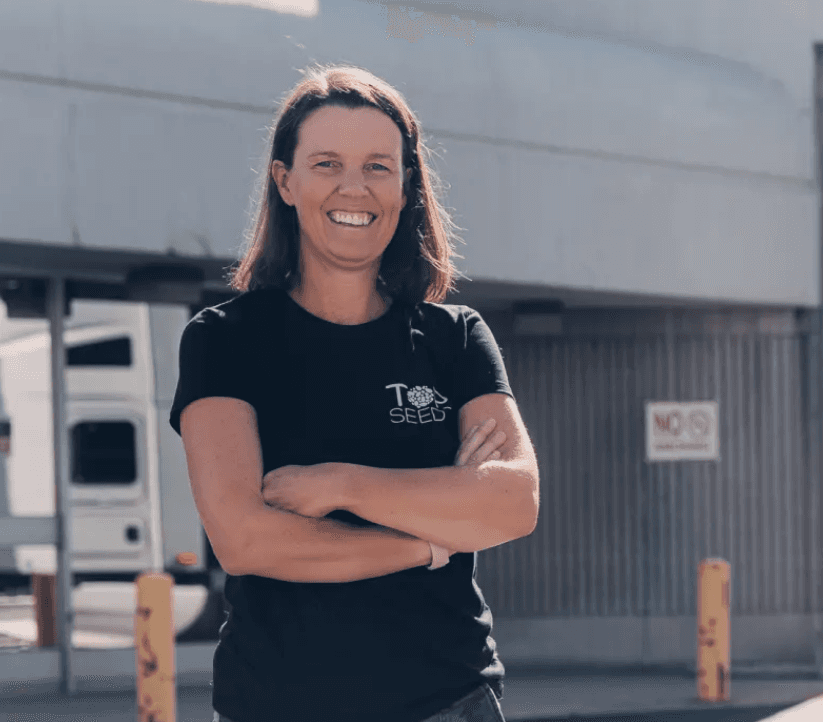
Top Seedz
47% increase in new customers
+65%
Increase in CTR
−37%
Reduction in CPA

Waking Up
34% increase in online sales
+57%
Increase in CTR
−69%
Reduction in CPR
NP Digital
Scaling Ubersuggest & NP Digital
+85%
Increase in CTR
−36%
Reduction in CPA
Growth marketing services, run by one team
Full-funnel growth marketing means every workstream below is coordinated against one revenue target and one shared attribution model. The artifacts each one produces are yours to keep, edit, and own.
Paid Social on Meta and TikTok
Full-funnel media buying on Meta and TikTok by one media team working off a shared budget model, with account build or audit included. Emerging channels such as Pinterest and Reddit get a written test plan and a test budget.
Google Search, Shopping and Performance Max
Google Ads account build or audit across Search, Shopping, and Performance Max, with YouTube tested alongside. Budget is allocated across all paid channels from one model, so channels are not bidding against each other for the same customer.
Creative Testing at Scale
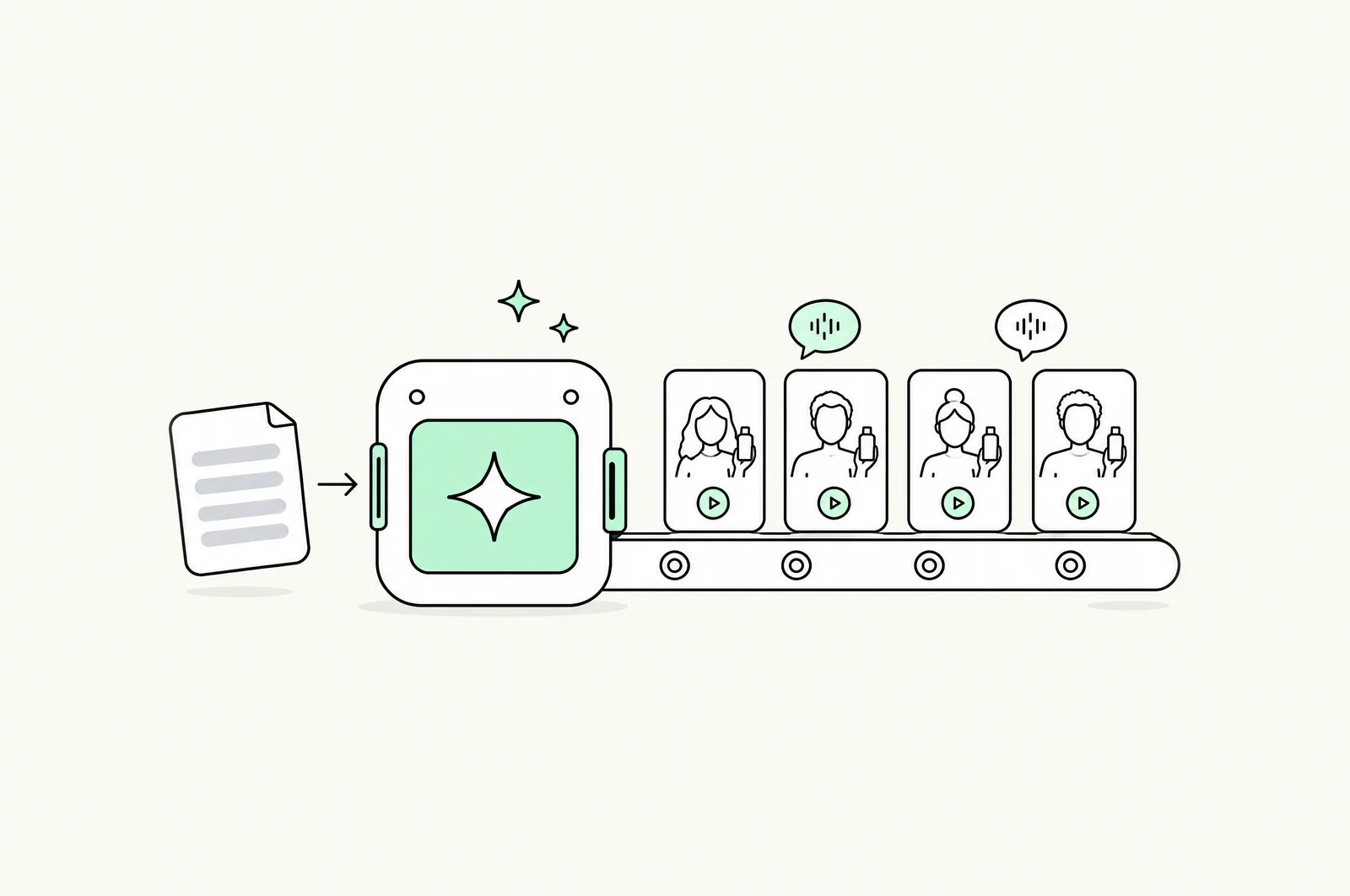
AI-assisted UGC and avatar-based ad variants on a weekly testing cadence per channel. You get a creative testing matrix covering hooks, angles, and formats, an ad variant library, and winning creative fed back into organic and lifecycle.
Retention & Lifecycle Marketing
Email and SMS built in Klaviyo to turn one-time buyers into repeat revenue. Full flow build-out (welcome, post-purchase, win-back, VIP), SMS strategy and compliance, segmentation by purchase behavior and predicted LTV, and a campaign calendar tied to the product and promotional calendar.
Conversion Rate Optimization & Experimentation
A/B testing across landing pages, PDPs, and cart so every visitor converts at a higher rate. Statistically rigorous test design with no calling tests early, and an A/B testing roadmap prioritized by revenue impact.
Landing Pages, PDP and Checkout
Landing page templates for paid traffic, a PDP and checkout optimization plan, and heatmap, session replay, and form analytics setup so test ideas come from observed behavior.
Analytics, Attribution & Reporting
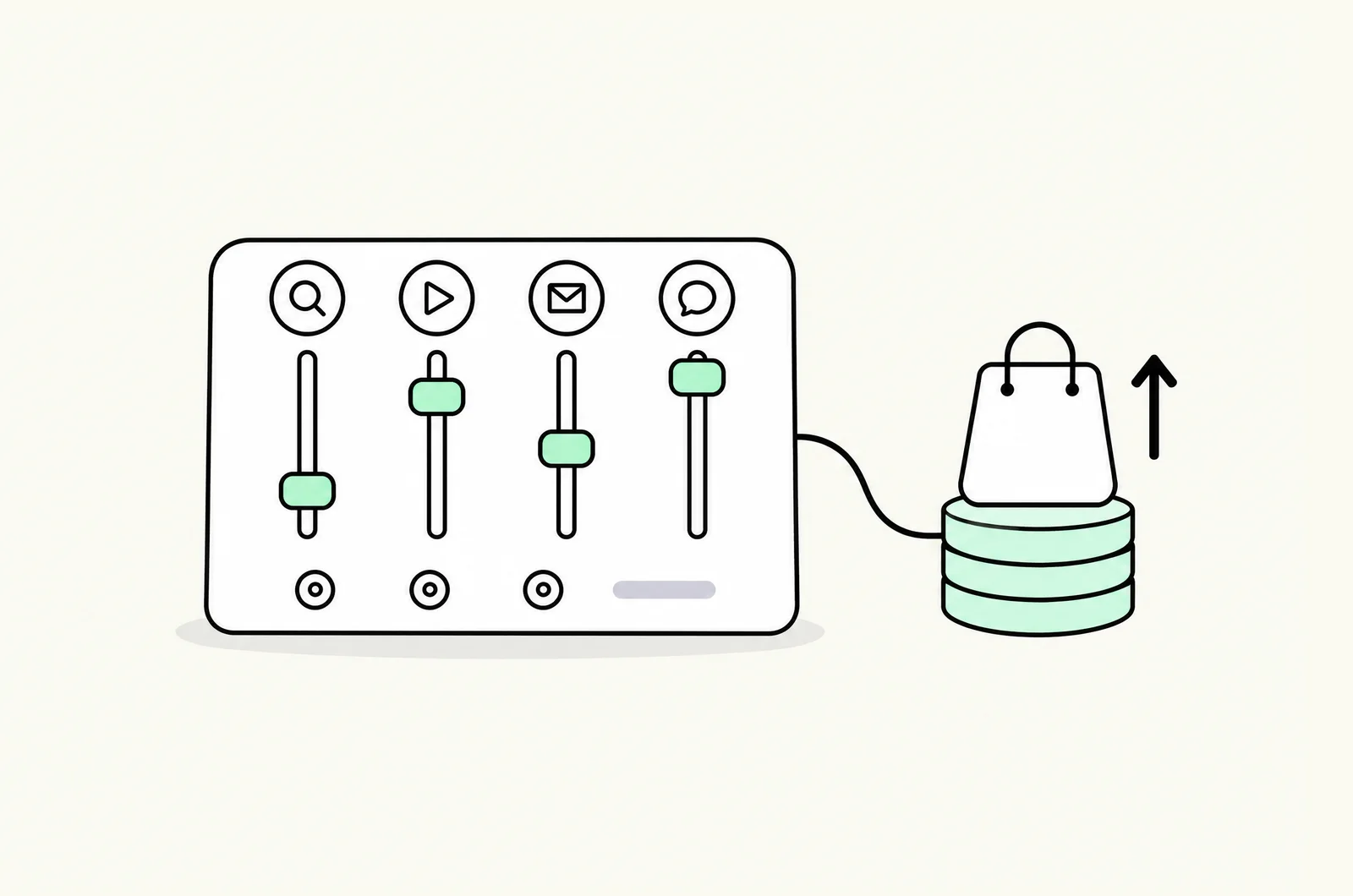
GA4 and server-side event tracking, a blended MER model, and incrementality testing, so you know what's driving revenue beyond what each platform's dashboard claims. Includes a weekly revenue-tied dashboard, a contribution margin scorecard by channel and campaign, and attribution documentation and runbooks.
Growth Strategy & Quarterly Roadmap
A full-funnel growth audit deck, a competitive teardown, a revenue and contribution margin baseline, and a single quarterly roadmap across acquisition, retention, and conversion. Includes the channel budget allocation model, board-ready reporting, and one senior growth lead accountable for the whole number.
What you get in the free growth audit
A 30-minute call with a senior growth lead about your acquisition, retention, and conversion setup.
A map of your funnel
We review your acquisition, retention, and conversion setup and map how the three connect today.
Where revenue leaks between channels
We show you where revenue is leaking between paid, retention, and on-site conversion.
A roadmap with a revenue target
A clear roadmap across paid, retention, and conversion, with fixed scope and a measurable revenue target within 48 hours.
A fee structure tied to results
We quote a fixed structure after the call and price the engagement on the results we produce. If a lighter, single-channel engagement is the better starting point, we'll tell you directly.
No upfront commitment.
From audit to compounding growth in four stages
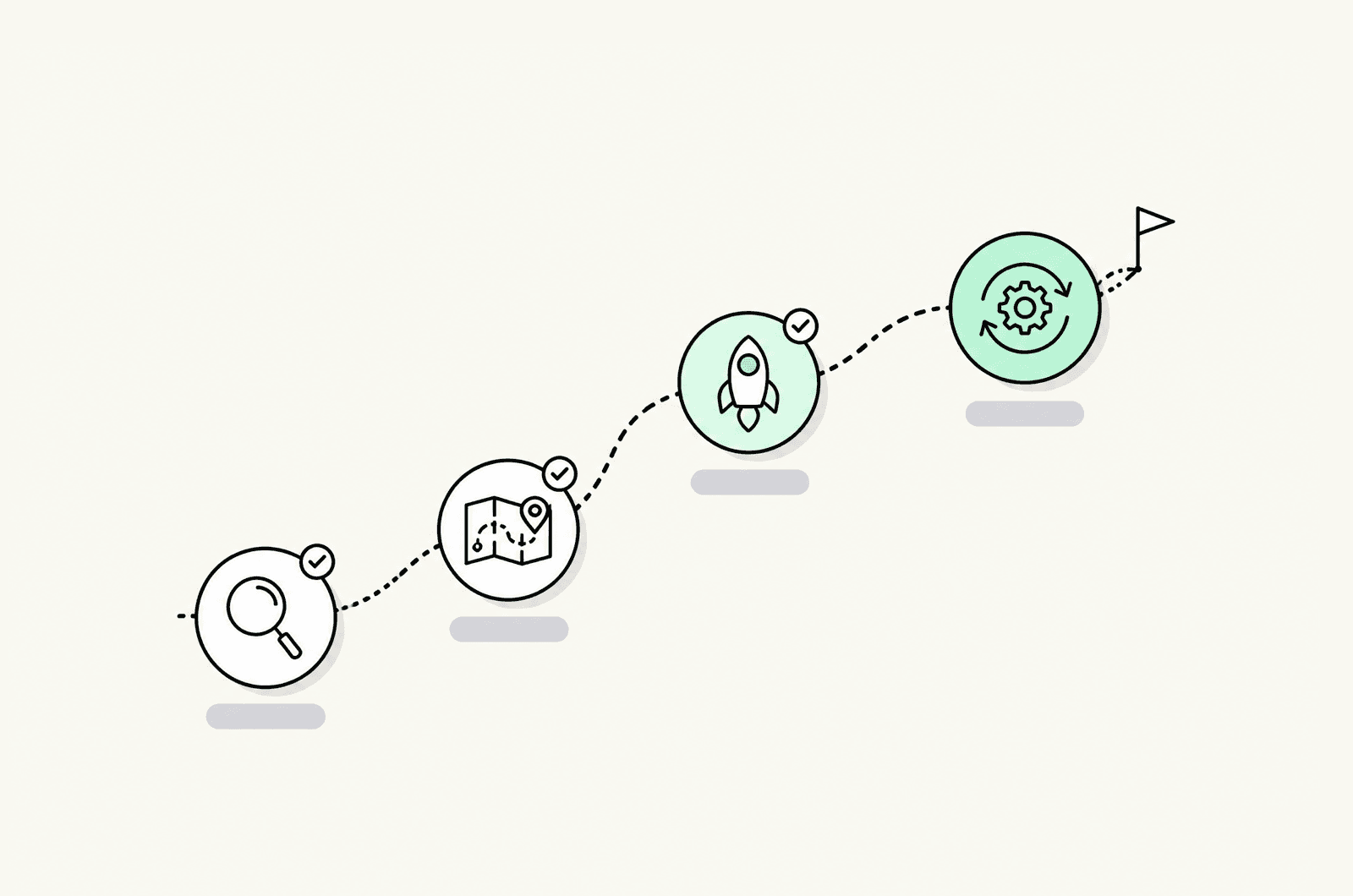
- Step 01
Growth audit & baseline
A full review of current acquisition, retention, and CRO performance, plus an analytics and attribution accuracy check. Output: an audit deck and a revenue/contribution-margin baseline scorecard we both agree on.
- Step 02
Strategy & roadmap
A priority-ranked quarterly roadmap across paid, retention, and conversion, tied to a specific revenue or margin target and signed off before a dollar moves.
- Step 03
Build & launch
Accounts built or audited, tracking implemented, creative pipeline stood up, retention flows built, and the first round of tests go live across every channel in scope.
- Step 04
Scale & optimize
A weekly test cycle with budget reallocated toward whatever is compounding, and reporting tied to revenue and contribution margin instead of platform vanity metrics.
Conversion vs the other options on your shortlist
A side-by-side look at what you get from an in-house team, a large agency, a freelancer, and Conversion.
Pay-on-results engagement model
- In-House Team
- No
- Large Agency
- No
- Freelancer
- No
- Conversion
- Yes
One team accountable for the whole revenue number
- In-House Team
- Depends on org structure
- Large Agency
- No
- Freelancer
- No
- Conversion
- Yes
Senior growth lead embedded per account
- In-House Team
- Yes
- Large Agency
- Often replaced by an AM layer
- Freelancer
- Sometimes
- Conversion
- Yes
Weekly reporting tied to revenue & contribution margin
- In-House Team
- Varies by team
- Large Agency
- Vanity metrics common
- Freelancer
- Rare
- Conversion
- Yes
Full-funnel: paid + retention + CRO + analytics
- In-House Team
- Requires multiple hires
- Large Agency
- Often siloed by department
- Freelancer
- No
- Conversion
- Yes
Execution kept in-house, no subcontracted layer
- In-House Team
- Yes
- Large Agency
- Often relayed to an offshore team
- Freelancer
- Solo operator
- Conversion
- Yes
Time to first live test
- In-House Team
- Depends on hiring
- Large Agency
- 4 to 8 weeks
- Freelancer
- 1 to 2 weeks
- Conversion
- 1 to 2 weeks
Typical monthly cost
- In-House Team
- $15K+ in salaries & tools
- Large Agency
- $10K to $60K retainer
- Freelancer
- $3K to $10K
- Conversion
- Base + performance fee
Enterprise tooling & tech stack access
- In-House Team
- No
- Large Agency
- Yes
- Freelancer
- No
- Conversion
- Yes
Scales for seasonal spikes (BFCM, launches)
- In-House Team
- Hard to flex headcount
- Large Agency
- Slow to reallocate
- Freelancer
- No
- Conversion
- Yes
Single point of accountability across channels
- In-House Team
- Yes
- Large Agency
- No
- Freelancer
- No
- Conversion
- Yes
Growth marketing agency questions
What does a growth marketing agency do?
How much does a growth marketing agency cost?
How does the pay-on-results model actually work?
What's the typical timeline to see meaningful growth?
What is growth marketing, and how is it different from traditional marketing?
What size brand is a good fit for a growth marketing agency?
How many channels should we run at once?
How is this different from hiring an SEO agency or a PPC agency directly?
Do you work with healthcare brands, or only Shopify and ecommerce?
What tools and platforms do you use?
Can you work alongside our existing in-house marketing team, or do you replace it?
Already know which channel you need?
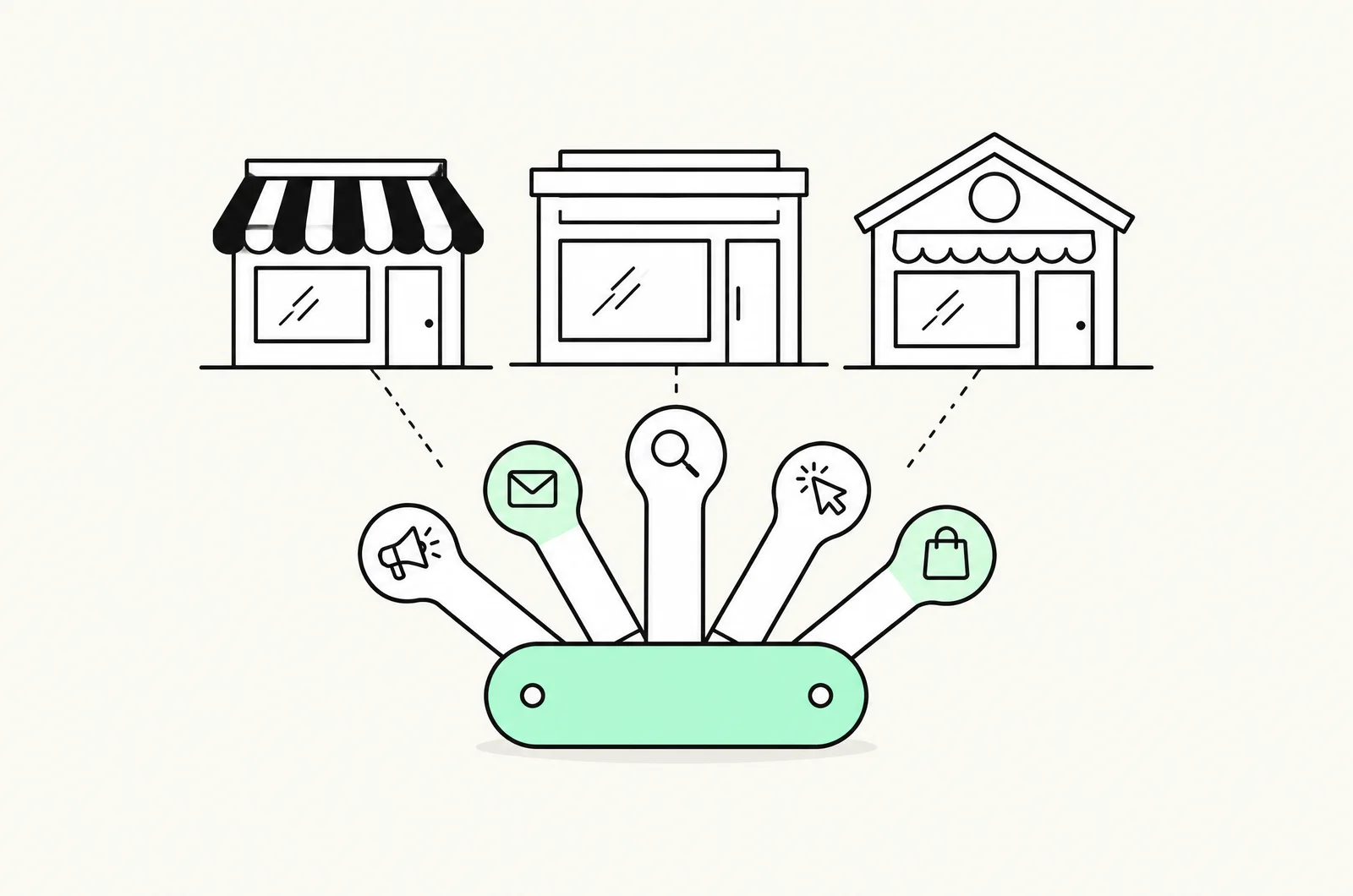
Growth Marketing Agency is the full-funnel umbrella engagement. If you already know the one workstream you need, these channel-specific services might be a better fit on their own.
Conversion Rate Optimization
A/B testing and funnel optimization raise the value of every visitor growth marketing brings in.ExploreSEO Agency
Technical SEO and content compound organic growth alongside paid acquisition.ExploreEcommerce Marketing Agency
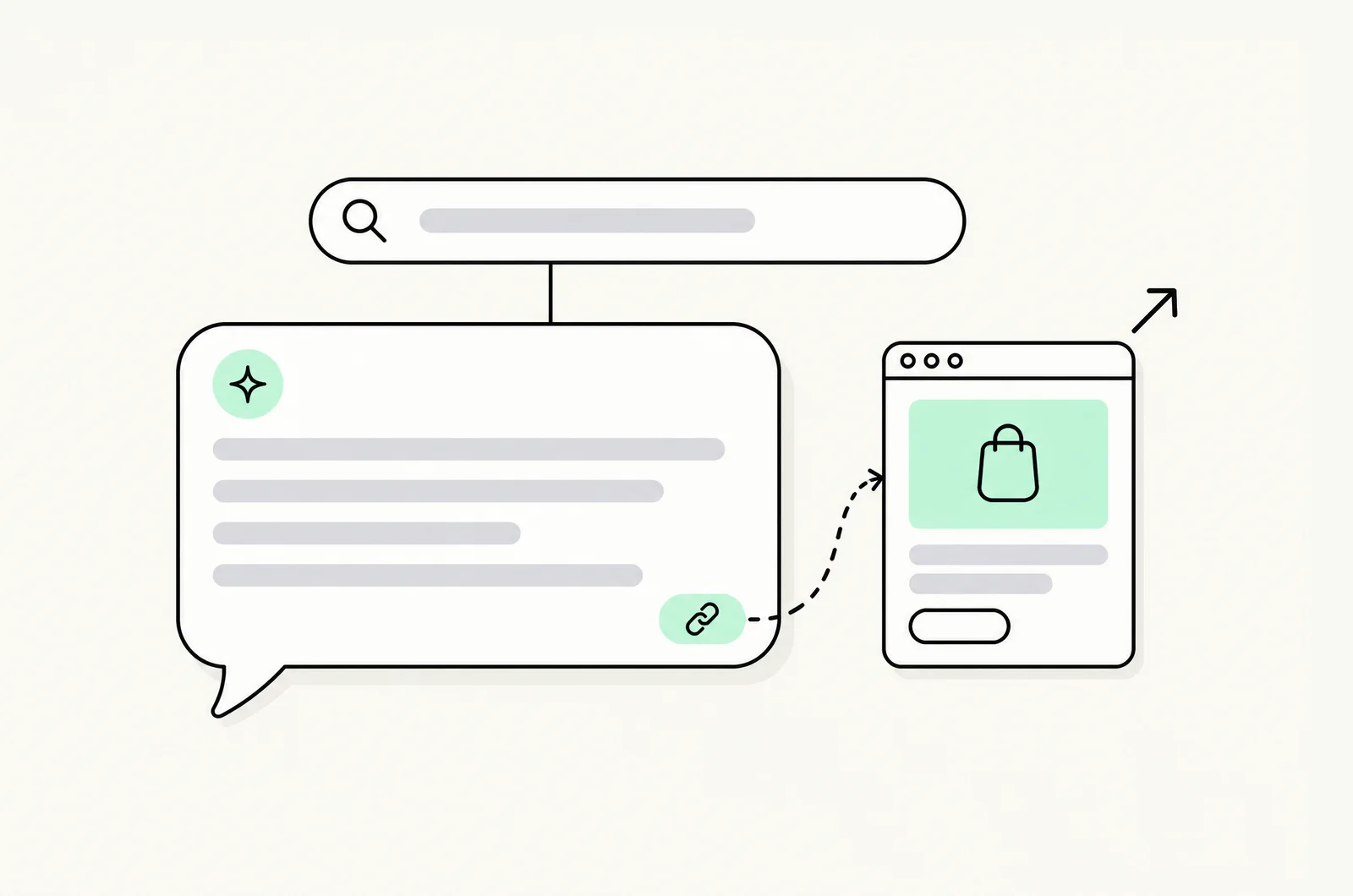
The same paid, retention, and CRO mix, tuned for online stores.ExploreShopify Marketing Agency
The same full-funnel discipline, tuned specifically for Shopify and Shopify Plus brands.ExploreAI UGC Agency
AI-generated creative keeps the weekly testing cadence supplied with fresh ad variants.Explore
Book your free growth audit call
30 minutes with a senior growth lead. We'll review your acquisition, retention, and conversion setup and show you where revenue is leaking between channels.
What happens next
- 1Pick a time for a 30-minute call.
- 2Tell us which paid, retention, and CRO channels you run today and the revenue number you want to grow.
- 3Get a roadmap across paid, retention, and conversion with a revenue target attached, and a fee structure priced on the results we produce.
Prefer email? tarun@conversion.is