UGC Agency
The AI UGC agency shipping AI and creator UGC at scale
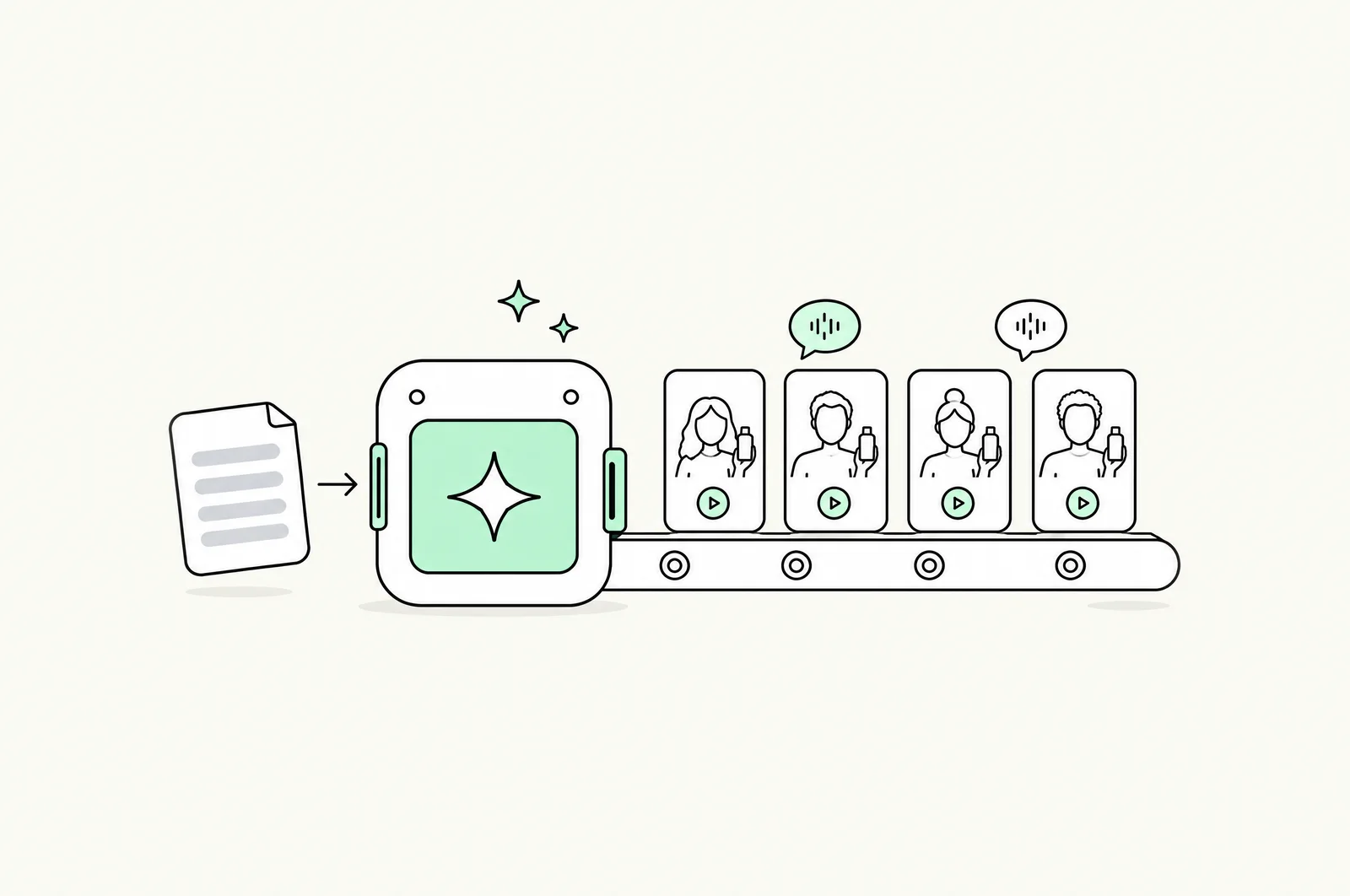
50+ AI-generated UGC video ads per week. AI avatars, lip-sync, voice cloning, and multi-language localization, engineered for Meta, TikTok, and YouTube performance.
- 50+ AI UGC variants per week, 10× traditional UGC velocity
- 30+ languages via voice cloning + AI lip-sync
- AI Info / AIGC disclosure handled: Meta + TikTok compliant
Trusted by 50+ D2C brands · Google, Meta & Shopify partners






AI-generated UGC ads for ecommerce brands that need more creative
Brands hit a wall scaling paid social on human UGC. At $200 to $500 per video (see UGC video cost in 2026) and 4 to 8 weeks from brief to first batch, the economics stop working past a certain ad spend. As an AI UGC agency we produce UGC-style video ads with AI avatars, lip-sync, voice cloning, and AI-assisted hook and script generation, and layer human creator UGC where trust signals matter most. The first batch ships in 5 to 7 business days, then 50+ new variants per week.
The creative is built for Meta, TikTok, and YouTube, and it performs best paired with the media buying that puts it in front of the right audience. Our Meta ads agency team runs Advantage+ and catalog ads on the channel most AI UGC is built to feed, our social media marketing agency covers paid and organic social, and growth marketing connects creative to full-funnel acquisition and retention. If you also want video on the store itself, see our roundup of the best shoppable video apps for Shopify.
Human UGC is too slow, too expensive, too narrow
Brands hit a wall scaling paid social on human UGC. The economics don't work past a certain ad spend.
Cost-per-asset kills scale
$200 to $500 per human UGC video × 30 weekly variants = $6K to $15K/week in creative costs alone. AI UGC delivers the same volume at 10 to 20% of the cost.
Production speed kills iteration
4 to 8 weeks from brief to first batch. By the time creative ships, your hook hypothesis is stale. AI UGC ships in 5 to 7 days, then 50+ new variants per week, which is fast enough to iterate.
Language and audience reach is narrow
Each new language and demographic requires sourcing new creators. AI UGC localizes a winner into 30 languages in days. Same hook, same script, different avatar and voice.
Results from client ad accounts
Three past clients across ecommerce, subscription apps and SaaS. Each set of numbers comes from that client's own account.
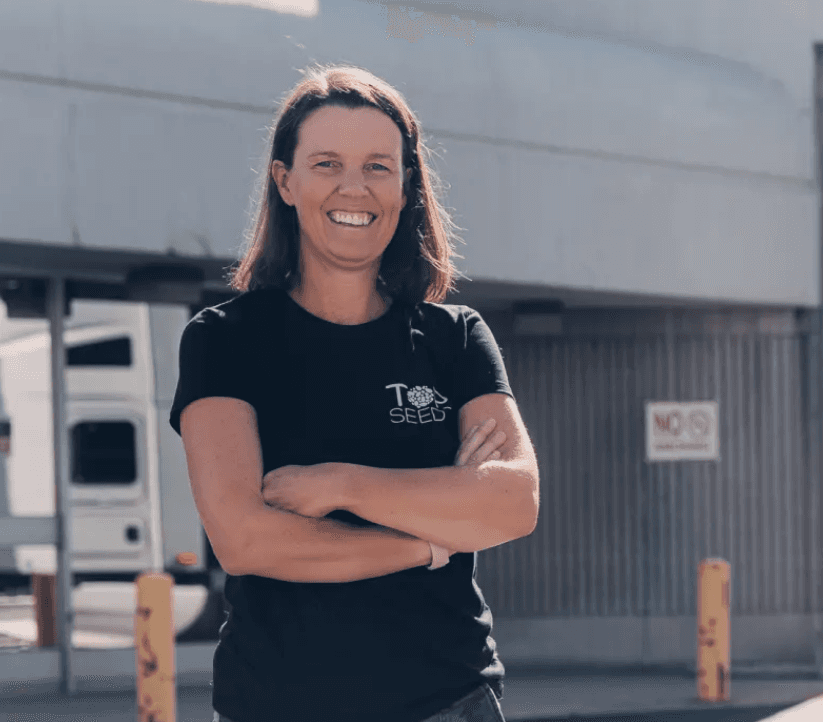
Top Seedz
47% increase in new customers
+65%
Increase in CTR
−37%
Reduction in CPA
Waking Up
34% increase in online sales
+57%
Increase in CTR
−69%
Reduction in CPR
NP Digital
Scaling Ubersuggest & NP Digital
+85%
Increase in CTR
−36%
Reduction in CPA
Every layer of AI UGC, production-ready
From script to scaled campaign: full-stack AI UGC production for Meta, TikTok, YouTube, and Pinterest performance.
AI Avatar UGC Ads
Licensed AI avatars matched to your audience demographics. Lip-sync, full-body, and talking-head formats. Built on Arcads, Creatify, and HeyGen with our own scripting and hook pipeline.
- Arcads + Creatify + HeyGen stack
- Demographic-matched avatars
- Lip-sync + full-body + talking-head
- Branded background + b-roll
AI Hook + Script Generation
AI-assisted hook generation producing 10 to 30 hooks per concept. Direct-response script frameworks (Problem-Agitate-Solve, AIDA, hook stacking) tuned for short-form video.
- 10 to 30 hooks per concept
- PAS / AIDA / hook stacking
- Direct-response copywriting
- Hook win-rate testing
Voice Cloning & Localization
ElevenLabs voice cloning to localize winning ads into 30+ languages. Same avatar, same script, different language and accent, so international expansion takes days.
- ElevenLabs voice cloning
- 30+ languages + accents
- Lip-sync language matching
- Multi-region campaign deploy
AI UGC for TikTok
TikTok-native AI UGC formats: Spark Ads-ready, vertical 9:16, native TikTok aesthetics, trend-aware hooks. AIGC disclosure handled per TikTok policy.
- TikTok-native vertical format
- Spark Ads compatible
- Trend-aware hooks
- AIGC label handling
AI UGC for Meta Ads
Meta-optimized AI UGC for Advantage+ Shopping, ASC creative testing, and Audience Network. AI Info label setup and Meta policy compliance handled by our team.
- Advantage+ Shopping ready
- ASC creative testing
- AI Info label setup
- Audience Network optimized
Variant Generation & Testing
Once a winner is found, we generate 5 to 10 variants with different avatars, hooks, openings, and CTAs to find the best-performing version through systematic creative testing.
- 5 to 10 variants per winner
- Systematic A/B testing
- Hook + opening swap matrix
- CTA + offer testing
Performance Creative Strategy
Production comes with strategy: audience research, competitor SOV analysis, hook hypothesis development, and a creative roadmap tied to your funnel and ROAS targets.
- Audience + ICP research
- Competitor SOV analysis
- Hook hypothesis testing
- Creative-to-funnel roadmap
Compliance & Disclosure
Meta AI Info, TikTok AIGC, EU AI Act, and US state-law disclosure all handled. Transparent labeling that protects you while preserving performance.
- Meta AI Info compliance
- TikTok AIGC labels
- EU AI Act ready
- US state law (CA, TX)
AI UGC for Apps & SaaS
App-Install and lead-gen-tuned AI UGC for iOS, Android, and SaaS products. UA-friendly formats, App Tracking Transparency considerations, and SKAdNetwork-aware creative.
- App-Install creative
- iOS + Android UA
- ATT + SKAN aware
- SaaS demo-style ads
What you get on the first call
A free 30-minute strategy call about your ad creative and where AI UGC fits.
A review of your current creative
We look at the ads you are running now on Meta, TikTok, and YouTube.
Your hook gaps
We identify the hooks and angles your current creative is missing.
A sample AI UGC reel for your category
You see what AI avatar, lip-sync, and voice-cloned UGC ads look like for products like yours.
From kickoff to live ads in 5 to 7 days
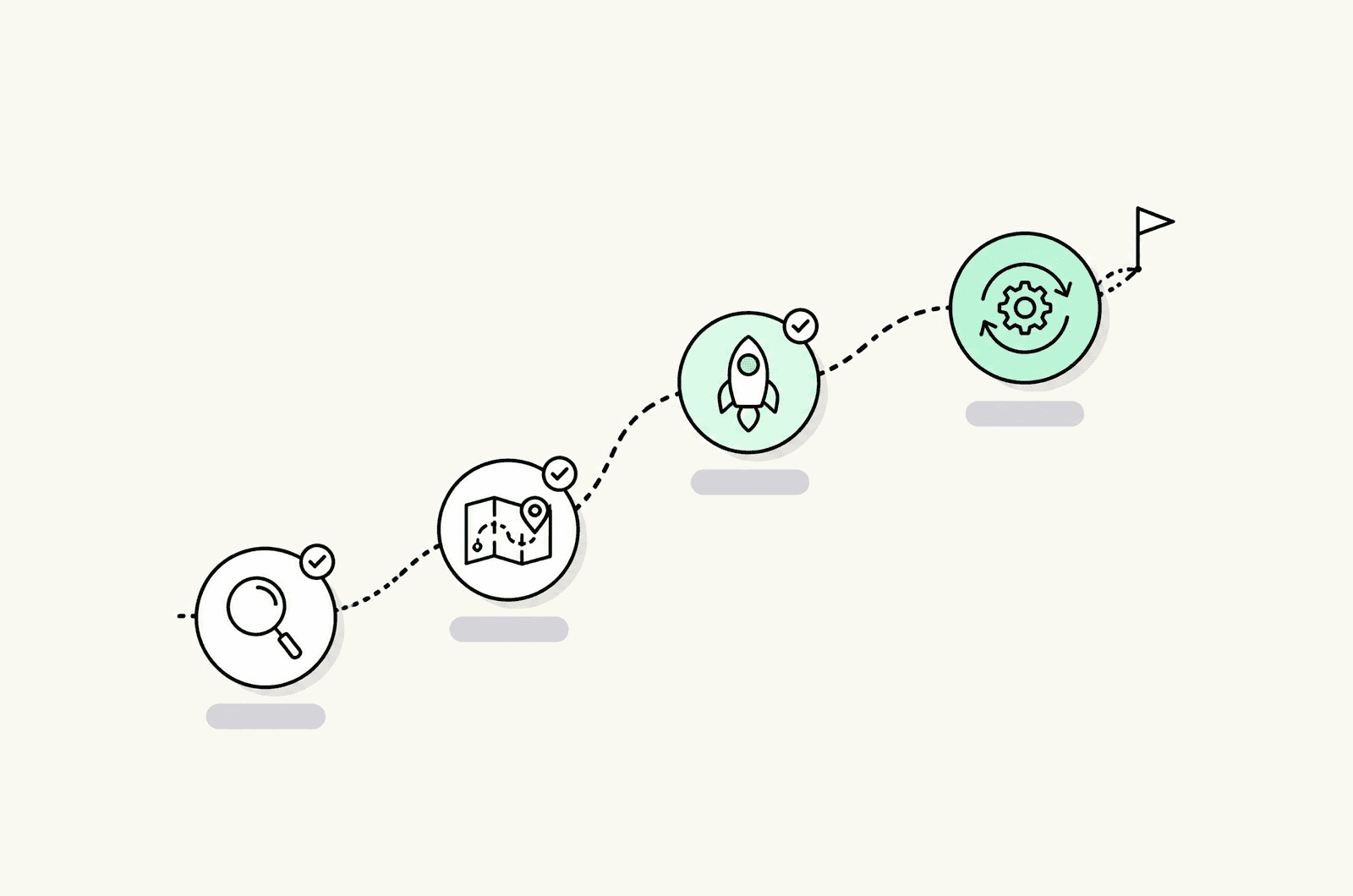
- Step 01
Strategy + brief
Audience, offer, and competitor analysis. We develop 5 to 10 hook hypotheses and 3 to 5 visual concepts in a written creative brief, delivered in 48 hours.
- Step 02
Script + hook generation
AI-assisted scripting producing 10 to 30 hooks per concept. We pick winners with you, then refine for direct-response performance and platform-native voice.
- Step 03
AI render + edit
Avatar selection, AI render via Arcads / Creatify / HeyGen, lip-sync, voice generation, b-roll, captions, and music. Quality-controlled by our editors before delivery.
- Step 04
Test, iterate, scale
Live in Meta / TikTok / YouTube with disclosure flags set. We monitor early signal, generate 5 to 10 variants of winners, and ship 50+ new ads per week ongoing.
Production-grade AI UGC, not random AI slop
Stack-agnostic: best tool for the job
We use Arcads, Creatify, HeyGen, Synthesia, ElevenLabs, and our own pipelines. Most agencies are locked into one tool. We use whatever produces the best output for your audience and offer.
Direct-response, not template ads
Most AI UGC agencies ship template-driven content. Our scripts are written by direct-response copywriters who've sold hundreds of millions in DTC, and the hooks are engineered to convert.
Compliance handled
Meta AI Info, TikTok AIGC, EU AI Act, and US state-law disclosure are all handled. We ship compliant creative that protects you while preserving performance. Most agencies leave this to you.
50+ variants per week
We produce 50+ AI UGC ads per week across hooks, avatars, openings, CTAs, languages, and formats. That volume is the unlock for scaling on Meta and TikTok.
Tied to performance, not deliverables
We measure on incremental ad revenue and CAC reduction rather than videos shipped. Pay-on-results structure available where we earn fees only on incremental revenue from our creative.
Multi-language by default
Voice cloning + AI lip-sync localizes winners into 30+ languages in days. International expansion that used to require a creator network in every market is now an internal pipeline.
AI UGC questions
What is an AI UGC agency?
Do AI UGC ads actually convert?
What is the best AI tool for UGC ads?
How do you create AI UGC?
Is AI UGC legal? Do I need to disclose it?
AI UGC vs human UGC: which performs better?
How much does AI UGC cost per video?
Can AI UGC be used on TikTok and Meta?
Can you produce AI UGC in multiple languages?
How long until I get my first AI UGC ads?
Pair AI UGC with the rest of your paid social stack
AI UGC creative performs best when it's paired with the media buying, organic social, and cross-channel strategy that puts it in front of the right audience.
Social Media Marketing Agency
Paid and organic social, community, and creator partnerships give AI UGC a full content program to run inside.ExploreTikTok Ads Agency
Spark Ads, TikTok Shop, and creative testing on TikTok, the native home for AI UGC formats.ExploreMeta Ads Agency
Advantage+, catalog ads, and creative testing on Meta, the primary channel most AI UGC is built to feed.ExploreGrowth Marketing Agency
Full-funnel paid acquisition and retention turns high-performing creative into compounding revenue.ExploreEcommerce Marketing Agency
Acquisition, retention, and CRO for ecommerce brands scaling creative-led growth past $1M.ExploreWhat Is a UGC Video?
New to the format? The types of UGC video that sell, platform specs, Spark Ads and whitelisting, and how usage rights work.ExploreUGC Video Cost in 2026
What creator UGC actually costs in 2026, from creator rates and marketplace pricing to usage-rights and whitelisting add-ons.Explore
Book your free AI UGC strategy call
Book a free 30-minute strategy call. We'll review your current creative, identify hook gaps, and show you a sample AI UGC reel for your category.
What happens next
- 1Pick a time for a 30-minute strategy call.
- 2Have your current ad creative ready so we can review it together.
- 3You leave with your hook gaps identified and a sample AI UGC reel for your category.
Prefer email? tarun@conversion.is