Shopify Migration Services
The Shopify migration agency that protects your rankings
Replatforming from Magento, WooCommerce, BigCommerce, Salesforce Commerce Cloud, and Shopware: catalog, customers, orders, integrations, and SEO equity moved end-to-end by a US-based Shopify Plus Partner.
- One-to-one 301 mapping: zero ranking loss is the bar
- Customers, orders, and full history migrated
- Fixed-scope quote within 48 hours

Trusted by 50+ D2C brands · Google, Meta & Shopify partners










Replatforming is a revenue-protection project
San Francisco, USA
In-house team
Conversion is a Shopify migration agency headquartered in San Francisco. Our Shopify migration services replatform stores to Shopify and Shopify Plus from Magento 1 & 2, WooCommerce, BigCommerce, Salesforce Commerce Cloud (Demandware), Shopware, and custom builds, for DTC and B2B brands across the US, Canada, UK, and Australia. If you are still weighing the move, our WooCommerce vs Shopify and BigCommerce vs Shopify comparisons cover the trade-offs.
We run every migration as a revenue-protection project. The organic traffic, customer accounts, and order history your store has accumulated are assets, and most failed migrations destroy them through skipped redirect mapping and sloppy data work. Our process treats SEO equity and data integrity as the deliverables, with the new storefront as the vehicle: one-to-one 301 mapping that hands over cleanly to a Shopify SEO program, conversion-led templates from our Shopify development team, and price lists and customer groups rebuilt with Shopify B2B when a wholesale operation is moving too.
The three ways replatforming destroys revenue
We're regularly hired to rescue migrations gone wrong. The damage traces to the same three mistakes every time.
Blanket redirects instead of 301 mapping
Redirecting every old URL to the homepage tells Google your content is gone. Rankings collapse in 2 to 6 weeks and take a year to rebuild. We map every URL one-to-one (products, collections, blog posts, and the long tail) before cutover.
Data migrated once, validated never
Single-pass CSV imports silently drop variants, metafields, and order line items. We run staged dry runs with count validation and record spot-checks until the delta is zero, then a final freeze-and-sync at cutover.
Integrations discovered broken after launch
ERP sync, email flows, review widgets, and 3PL feeds fail on day one because nobody inventoried them. Our discovery phase maps every integration to its Shopify equivalent before we quote, so nothing is a surprise.
Every platform, every data object
Platform-specific migration playbooks refined across 80+ replatforms, in place of a generic import checklist.
Magento to Shopify
Magento 1 (EOL) and Magento 2 migrations to Shopify and Plus. Attribute sets and configurable products mapped to Shopify variants and metafields, custom modules rebuilt as apps or Functions, and 40 to 60% lower total cost of ownership.
- M1 + M2 → Shopify / Plus
- Attribute → metafield mapping
- Custom module rebuilds
- ERP re-integration
WooCommerce to Shopify
Off WordPress hosting, plugin conflicts, and PHP maintenance. Products, customers, orders, and blog content migrated; SEO plugins' structured data re-implemented natively; WordPress blog optionally retained or moved.
- Products + orders + customers
- Blog / content migration
- Yoast data re-implementation
- Hosting decommission plan
BigCommerce to Shopify
Catalog, customer groups, and order history moved; BigCommerce-specific features (price lists, customer groups) rebuilt with Shopify B2B or apps; theme rebuilt conversion-first instead of ported.
- Catalog + customer groups
- Price list → B2B mapping
- Conversion-led theme rebuild
- Zero-downtime cutover
Salesforce Commerce Cloud to Shopify Plus
Enterprise SFCC (Demandware) replatforms. ISML templates and controllers mapped to Shopify equivalents, Business Manager workflows rebuilt in Flow and Launchpad, and OMS/ERP integrations re-architected.
- SFCC → Shopify Plus
- Workflow rebuild in Flow
- OMS / ERP re-architecture
- 40 to 60% TCO reduction
SEO Preservation & 301 Strategy
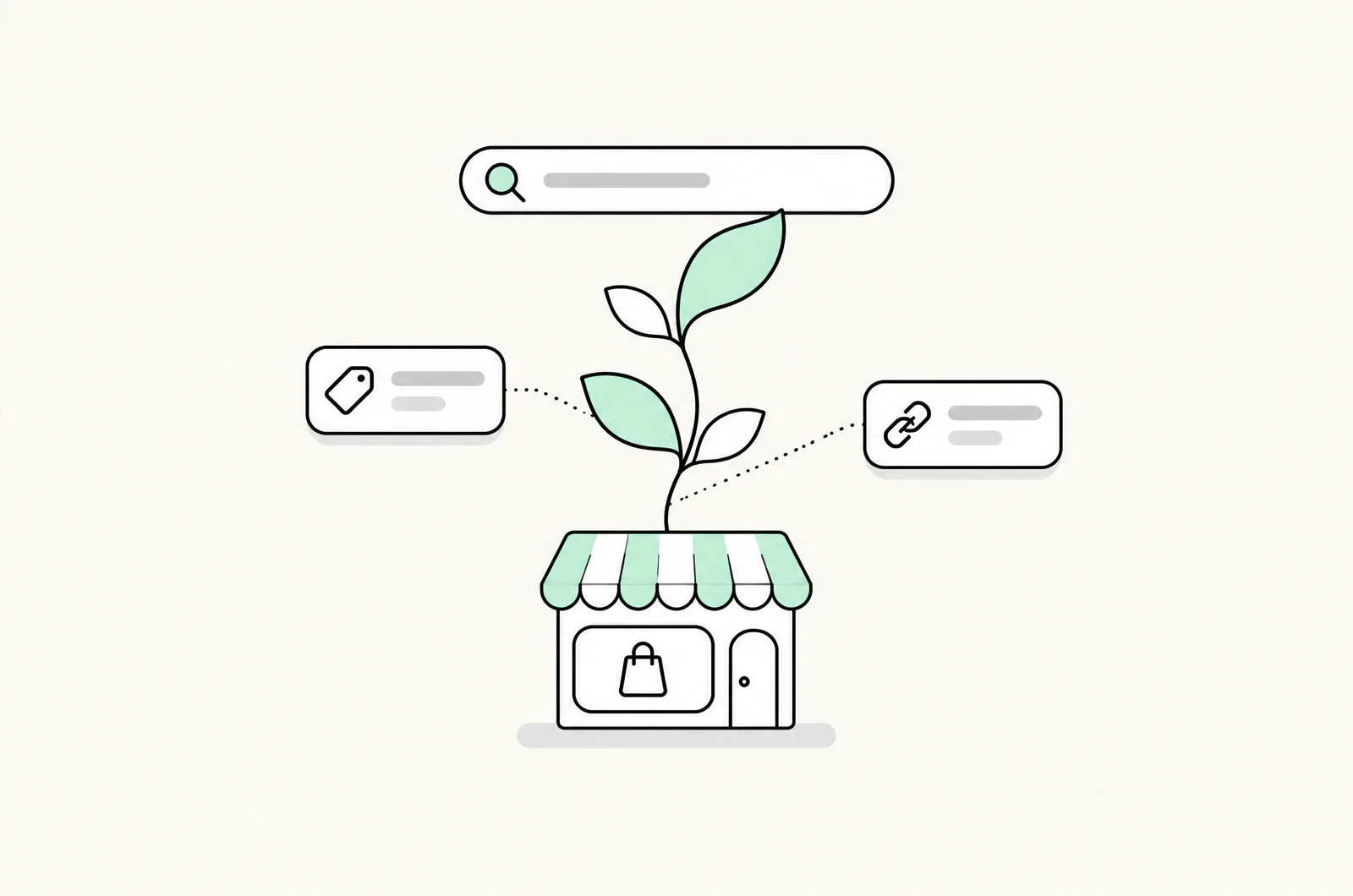
Full URL inventory, one-to-one 301 redirect mapping, structured data preservation, internal link rewrites, sitemap strategy, and 90 days of post-launch Search Console monitoring with weekly reports.
- One-to-one 301 mapping
- Structured data parity
- Canonical + sitemap strategy
- 90-day GSC monitoring
Data Migration & Validation
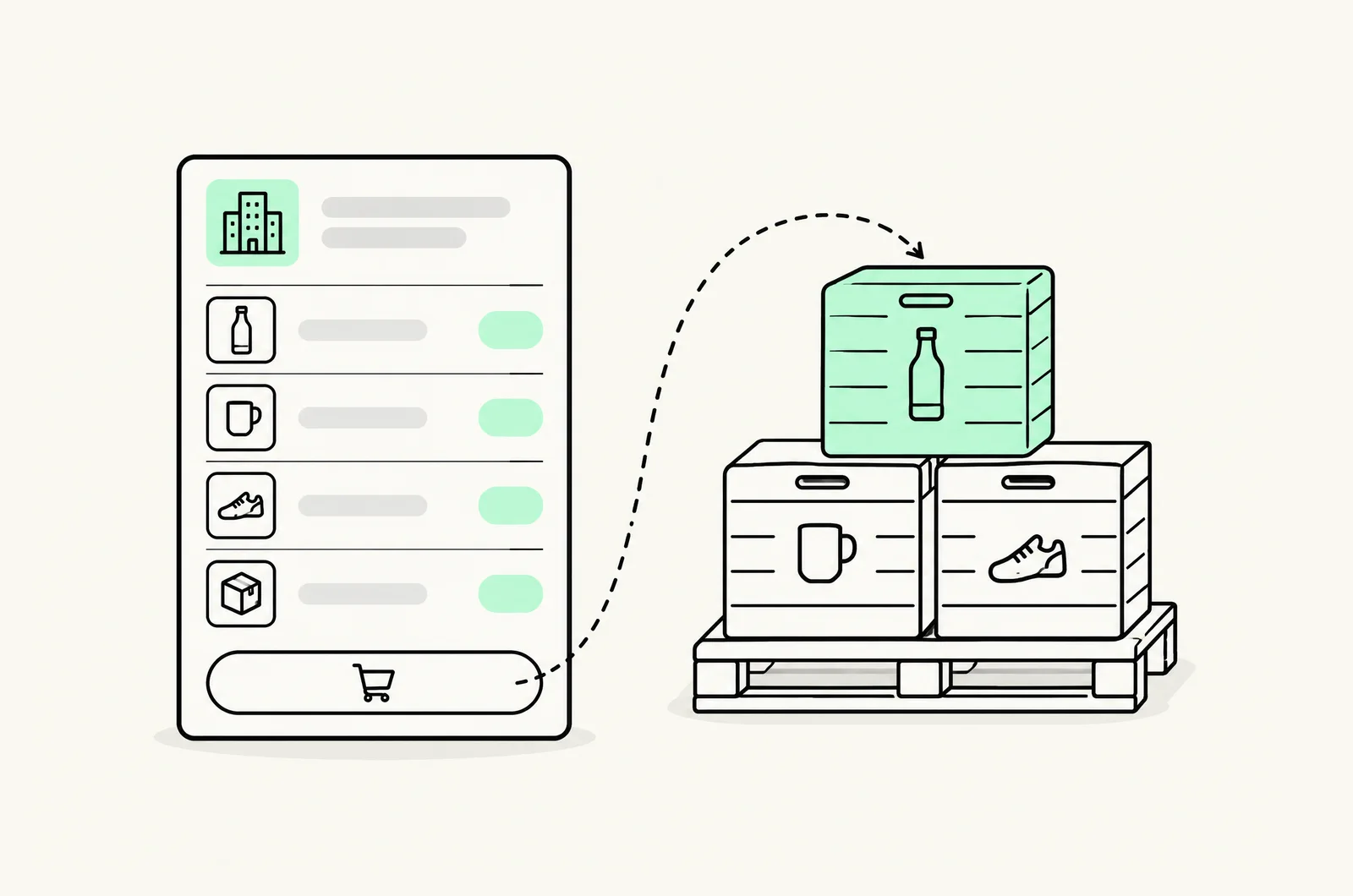
Products, variants, metafields, customers, order history, reviews, gift cards, and discounts, migrated in staged dry runs with count validation, then a freeze-and-delta-sync at cutover.
- Staged dry runs
- Count + record validation
- Customer reactivation flows
- Order history preservation
Integration Mapping & Rebuilds
ERP, PIM, 3PL/WMS, email (Klaviyo), reviews, loyalty, subscriptions, and analytics inventoried and mapped in discovery. Most have native Shopify equivalents or official apps; the rest we rebuild as custom middleware or private apps.
- Integration map in the quote
- ERP + PIM + 3PL/WMS
- Klaviyo, reviews, loyalty
- Custom middleware + private apps
Zero-Downtime Cutover
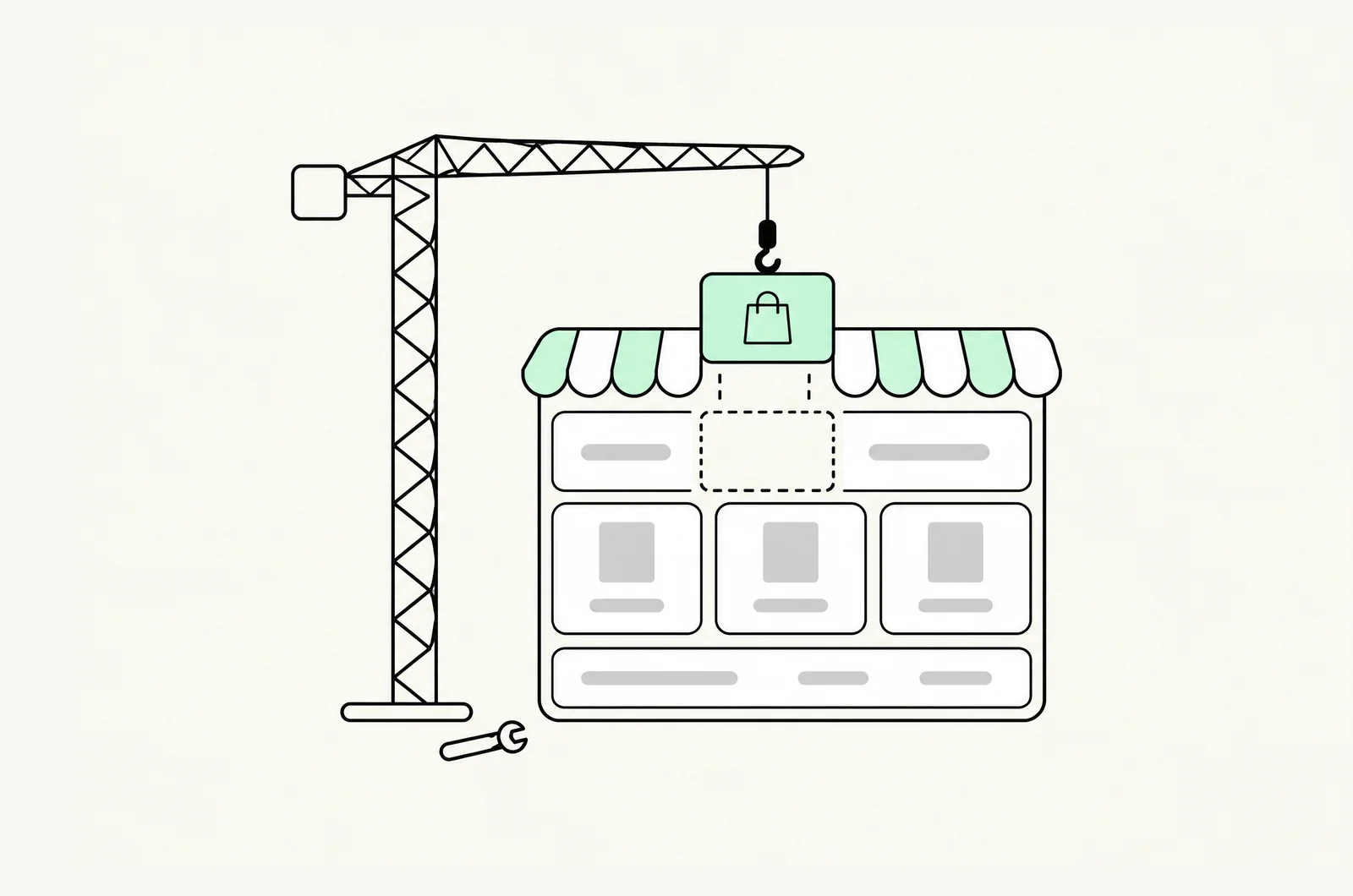
The new store is built and QA'd on a preview domain while your current store keeps trading. At cutover we freeze data, run a final delta sync of orders and customers, deploy the 301 map, and switch DNS during your lowest-traffic window.
- Preview-domain build + QA
- Data freeze + delta sync
- 301 deployment
- Low-traffic DNS switch
What you get in the free migration assessment
A free 30-minute migration assessment. We'll audit your platform, catalog, and integration surface, and show you what a zero-loss migration takes.
Platform, catalog and integration audit
We audit your current platform and size the data and integration surface, including the custom functionality that would need rebuilding.
The SEO-protection plan
We build the URL inventory and 301 strategy during scoping, so you see the plan before you sign.
A fixed-scope quote within 48 hours
A fixed-price quote within 48 hours of discovery, with the integration map and week-by-week roadmap included.
A straight answer on whether to move
For WooCommerce stores we give a total-cost-of-ownership comparison on the first call. For some content-heavy stores, staying put is the right answer and we'll say so.
Five phases, zero surprises
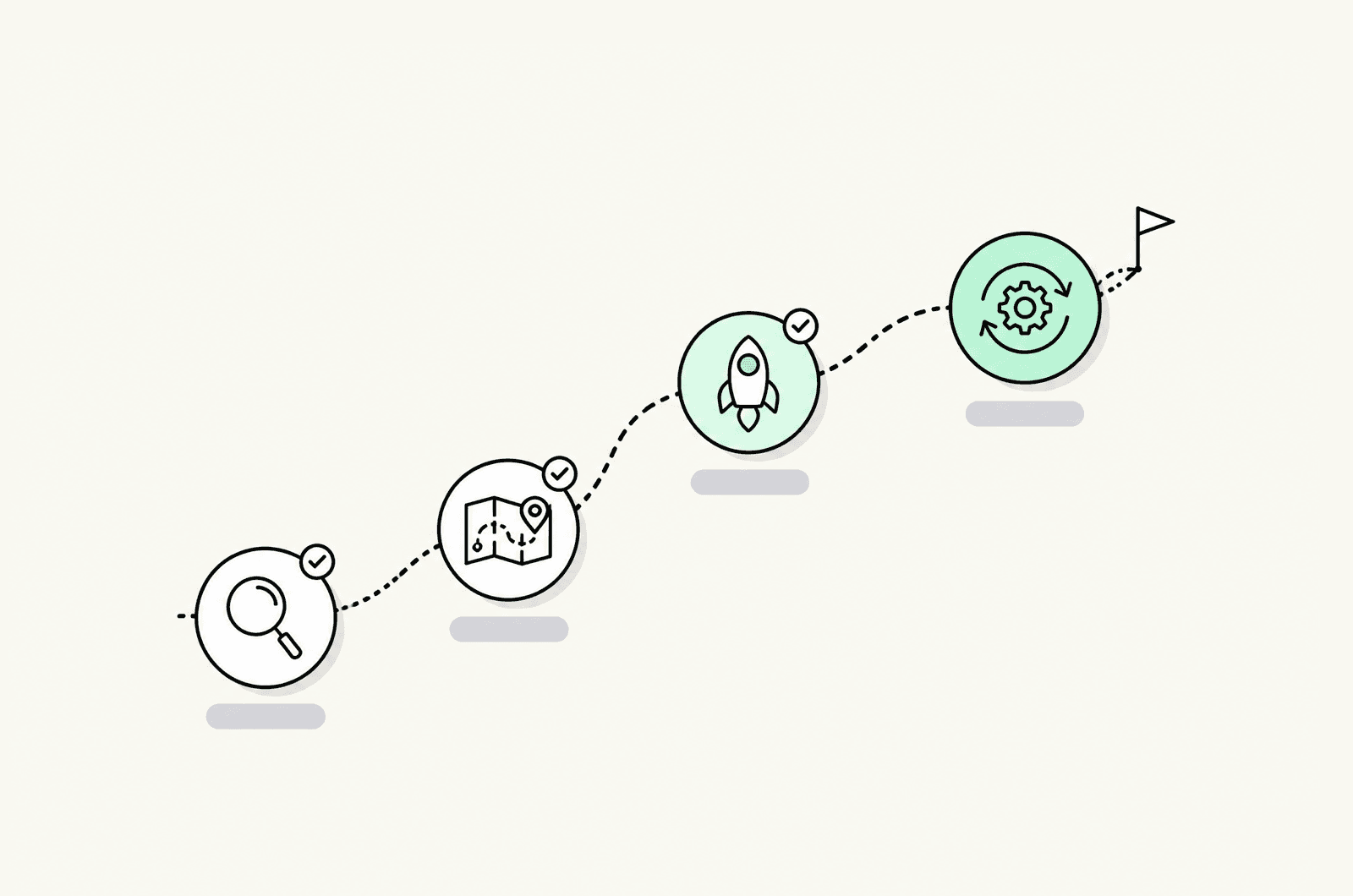
- Step 01
Audit & redirect map
Full crawl and URL inventory, Search Console export, integration map, and data-object census. The one-to-one 301 map is built before any development starts, because it is the project's foundation.
- Step 02
Parallel build
The Shopify store is built on a preview domain while your current store keeps trading. Conversion-led templates, native structured data, and every integration connected and tested.
- Step 03
Data dry runs
Staged migration passes for catalog, customers, and orders, validated by counts and spot-checks after each pass until the delta is zero.
- Step 04
Cutover
Data freeze, final delta sync, 301 deployment, DNS switch in your lowest-traffic window. Typical downtime: zero.
- Step 05
90-day watch
Sitemap resubmission, redirect verification at scale, and weekly Search Console monitoring for 90 days. Any ranking decay gets diagnosed and fixed the week it appears.
The migration partner that shows its work
The redirect map before the contract
We build the URL inventory and 301 strategy during scoping, so you see the SEO-protection plan before you sign.
Every major platform, one process
Magento, WooCommerce, BigCommerce, SFCC, Shopware, and custom builds, each with a platform-specific playbook.
Zero ranking loss as a reported metric
We report rankings and organic traffic weekly for 90 days post-launch against the pre-migration baseline. The bar is zero loss, and it's in the engagement.
Data validated at every pass
Staged dry runs with count validation and record spot-checks. Variants, metafields, and order line items don't silently vanish on our migrations.
Fixed scope, 48-hour quote
A fixed-price quote within 48 hours of discovery, with the integration map and week-by-week roadmap included. No hourly-billing surprises mid-project.
A growth partner after cutover
Most clients move into CRO and SEO programs post-launch, on a pay-on-results basis, so the migration is the start of the engagement.
Shopify migration questions
What does a Shopify migration agency do?
How much does it cost to migrate to Shopify?
Will I lose SEO rankings when migrating to Shopify?
How long does a Magento to Shopify migration take?
How does the Shopify migration process work?
Can you migrate my customer accounts and order history to Shopify?
Should I migrate from WooCommerce to Shopify?
Do you migrate from Salesforce Commerce Cloud (Demandware) to Shopify?
What happens to my integrations when I move to Shopify?
Can we migrate to Shopify without downtime?
More ways we grow Shopify brands
Shopify Plus Agency
Enterprise replatforms land on Plus, where checkout extensibility, Functions, B2B, and multi-store expansion replace custom modules.ExploreShopify Development Agency
The new theme is rebuilt conversion-first during the migration instead of ported from the old platform.ExploreShopify SEO Agency
Once the redirects hold, technical SEO, collection pages, and content compound on the equity the migration protected.ExploreShopify B2B Development
Moving a wholesale operation? Price lists and customer groups map to Plus-native company accounts and net terms.ExploreShopify CRO Agency
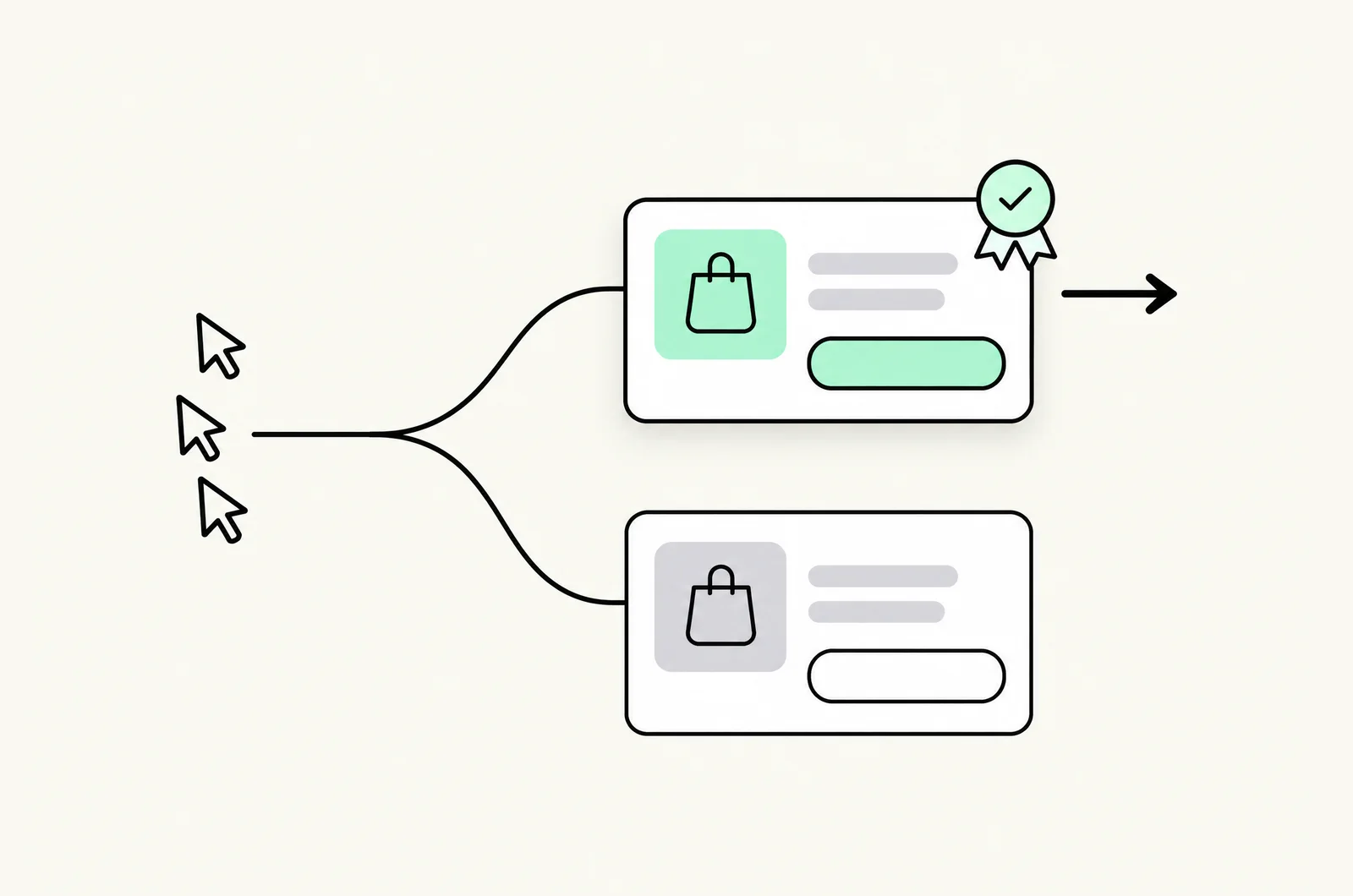
A/B testing and PDP optimization make sure the new store converts at least as well as the old one.ExploreBigCommerce vs Shopify
Moving off BigCommerce? The two platforms compared on pricing, checkout, B2B, SEO control, and when migrating makes sense.ExploreWooCommerce vs Shopify
Moving off WooCommerce? Total cost of ownership, speed, SEO, checkout, and B2B compared honestly.Explore



Migrate to Shopify without losing what you've built
Book a free 30-minute migration assessment. We'll audit your current platform, size the data and integration surface, and deliver a fixed-scope quote with the SEO-protection plan included, within 48 hours.
What happens next
- 1Pick a time for a 30-minute call.
- 2We audit your current platform, catalog, and integration surface, so bring what you know about your catalog size and integrations.
- 3Get a fixed-scope quote within 48 hours, with the SEO-protection plan, integration map, and week-by-week roadmap included.
Prefer email? tarun@conversion.is