Shopify mobile app development
Turn your Shopify store into a mobile app that outsells your website
We design, build, launch, and grow native iOS and Android apps for Shopify and Shopify Plus brands. Your catalog, your checkout, your customer data, in a channel where conversion rates run 2 to 3× mobile web and you own the notification, not the algorithm.
- Live on the App Store and Google Play in 4 to 6 weeks
- Native checkout via Shopify's Checkout Sheet Kit: Apple Pay, Shop Pay, all of it
- You own the developer accounts, the listings, the ratings, and the data
Trusted by 50+ D2C brands · Google, Meta & Shopify partners










Key facts about Conversion's Shopify mobile app practice
Last updated · By Tarun Kapoor, Founder
- Headquarters
- San Francisco, USA
- Shopify Plus Partner since
- 2019
- Platforms
- Native iOS + Android
- Standard launch timeline
- 4–6 weeks to both stores
- Checkout
- Shopify Checkout Sheet Kit
- Typical engagement
- $12K–$90K · then pay on results
- Store account ownership
- 100% yours, always
- Build approaches
- Platform-built or custom React Native
- Markets served
- United States, Canada, United Kingdom, Australia
A mobile app is the only channel where you own the customer relationship
4 to 6 Week Launch
iOS + Android
You Own Everything
Accounts + data
Pay On Results
Post-launch growth
Roughly 80% of ecommerce traffic now arrives on a phone, and almost all of it lands on a mobile website that was designed as a desktop site squeezed narrower. Meanwhile paid social and email, the two channels brands rely on to bring that traffic back, keep getting more expensive and less reliable. A native app inverts that. The customer installs you once and you gain a permanent home-screen position, a logged-in session that never expires, and a notification channel with no auction and no deliverability tax, one that works alongside your email and SMS retention programme.
Conversion offers Shopify mobile app development as a Shopify Plus Partner with no platform reseller agreement, so the first thing we do is model whether an app is incremental for your traffic profile. If it isn't, we tell you plainly and quote Shopify CRO on your existing store instead. When it is, we ship it in four to six weeks on your Shopify catalog, cart, and checkout, with every developer account and store listing registered to you, backed by the team behind our Shopify development and custom Shopify app work. After launch we merchandise the home screen against the campaign calendar, run push and in-app messaging with holdout groups, test PDP and cart layouts, and report contribution margin rather than vanity install counts, while Shopify marketing fills the install funnel. That growth work runs on our pay-on-results model.
A bad app is just your mobile site with an install step in front of it
We've audited and rebuilt dozens of Shopify apps that launched, flatlined, and got quietly abandoned. The failure is almost never the platform. It is usually one of these three decisions, made early and never revisited.
It's web views wearing a native costume
The home screen is native, then the moment a customer opens their account, their subscription, or a size guide, a browser view loads and the illusion collapses. Every web view costs you a load, breaks the gesture language of the platform, and hands back the exact friction the app was supposed to remove. We build the screens that matter (PDP, cart, account, order tracking, loyalty) natively, and reserve web views for genuine edge cases like legal pages.
Nobody was made responsible for installs
The app ships, the launch email goes out, installs spike for nine days and then decay to nothing. An app with 2,000 installs is a rounding error no matter how well it converts. We treat the install funnel as a growth channel with an owner and a number: smart banners on mobile web, post-purchase and shipping-confirmation prompts, packaging QR codes, a Klaviyo install sequence, and an app-only offer that makes switching worth it today.
Push is used as a megaphone, not a channel
The fastest way to destroy an app is to send every subscriber the same promotion daily. Uninstalls climb, opt-outs compound, and the channel you paid to own becomes worthless within a quarter. We cap frequency per user, segment by behaviour and lifecycle stage, run holdouts on every campaign so lift is measurable rather than assumed, and weight the calendar toward triggered flows (abandoned cart, back in stock, price drop, replenishment) over broadcasts.
Everything from the first wireframe to the hundredth push campaign
Full-service Shopify mobile app development and growth. Strategy, design, build, integrations, store submission, install acquisition, retention, and CRO, with one team accountable for the channel's revenue number rather than its launch date.
App Strategy & Revenue Modelling
Before design, we model whether an app is incremental for your traffic. Mobile web conversion baseline, repeat-purchase rate, retention curve, realistic install-rate assumptions, and a cannibalisation estimate, so the business case is made on your data rather than category averages. You also get a platform TCO comparison and a measurement and holdout framework.
- Mobile web + cohort baseline
- Install-rate and adoption model
- Cannibalisation and incrementality view
- Channel P&L with contribution margin
Native App Design
Every screen designed for thumbs. Home, collection, product, cart, search, account, and post-purchase are laid out in a mobile-native pattern language and built on your existing brand system, so the app reads as an extension of the brand. Design files, app icon and splash assets, and store screenshots with a preview video are yours.
- Full screen-by-screen Figma system
- Native iOS + Android pattern parity
- Brand tokens, type scale, motion
- Merchandising blocks marketing can edit
iOS & Android Build
Native apps on both stores, backed by your live Shopify catalog. Real-time product, inventory, collection, customer, and discount sync through the Storefront and Admin APIs. Built on a maintained app platform, or custom in React Native when the requirement demands it. Ships with attribution and analytics setup, a device-matrix QA report, and developer accounts registered to you.
- Native iOS and Android release
- Real-time Shopify catalog sync
- Offline-tolerant browsing
- Crash-free rate monitored from day one
Native Checkout Integration
Checkout runs through Shopify's Checkout Sheet Kit, an in-app native sheet with no browser bounce. You keep Apple Pay, Google Pay, Shop Pay, every configured payment method, Shopify's fraud engine, and full checkout extensibility on Plus. Zero added PCI scope on your side.
- Checkout Sheet Kit handoff
- Apple Pay + Google Pay + Shop Pay
- Checkout UI extensions on Plus
- Shopify Functions for discounts and delivery
Push & Lifecycle Messaging
The reason to own an app. Abandoned cart, back in stock, price drop, replenishment, order shipped, and win-back, plus segmented broadcasts tied to a push and lifecycle calendar. Frequency-capped per user, holdout-tested, and reported on incremental revenue rather than open rate.
- Triggered flow library at launch
- Behavioural + lifecycle segmentation
- Frequency caps and quiet hours
- Holdout groups on every campaign
App-Only Offers & Merchandising
The app needs a reason to exist that mobile web can't match. App-exclusive pricing and drops, early access windows, gift-with-purchase, in-app-only bundles, and a home screen merchandised against the live campaign from a merchandising block library your marketing team can edit without a release.
- App-exclusive discounts and drops
- Early access and launch queues
- Gift-with-purchase and bundle flows
- No-code home screen merchandising
Loyalty, Subscriptions & Reviews
The retention stack rendered natively, with no web view. Points balances, tier status, subscription management, review capture, and UGC galleries, integrated with the tools you already run so the app deepens retention instead of forking it.
- Smile.io / LoyaltyLion / Yotpo
- Recharge / Skio / Stay AI
- Okendo / Yotpo / Judge.me
- Native order tracking and returns
Install Acquisition & ASO
An app that nobody installs converts nothing. We write the install funnel plan and build the owned funnel first, with campaign assets for smart banners, post-purchase prompts, packaging QR, and email and SMS sequences. Apple Search Ads and Meta app-install campaigns are layered on once the retention curve justifies paid spend.
- Owned-channel install funnel
- App Store + Play listing optimisation
- Ratings velocity programme
- Deferred deep linking on every link
App CRO & Ongoing Growth
We keep operating the channel after the build. A 30 / 60 / 90-day growth plan, monthly experiment cycles on PDP, cart, and home merchandising, release cadence kept current with iOS and Android SDK changes, uninstall-cohort analysis, and reporting against contribution margin.
- A/B testing on PDP, cart, home
- Monthly release cadence
- Uninstall + retention cohort analysis
- Pay-on-results growth engagement
What you get in the free audit
Not sure an app is right for your brand? On a 30-minute call we model it before you build it.
Your baseline numbers
We pull your mobile web conversion rate, repeat-purchase rate, and retention curve.
A modelled revenue figure
The incremental revenue an app would realistically add, including the cannibalisation you should expect.
A plain answer on fit
If the numbers don't support a build, we say so and quote CRO instead.
A written app plan
Scope, timeline, install-funnel strategy, and a modelled revenue target for the channel, with a fixed-scope quote in 48 hours.
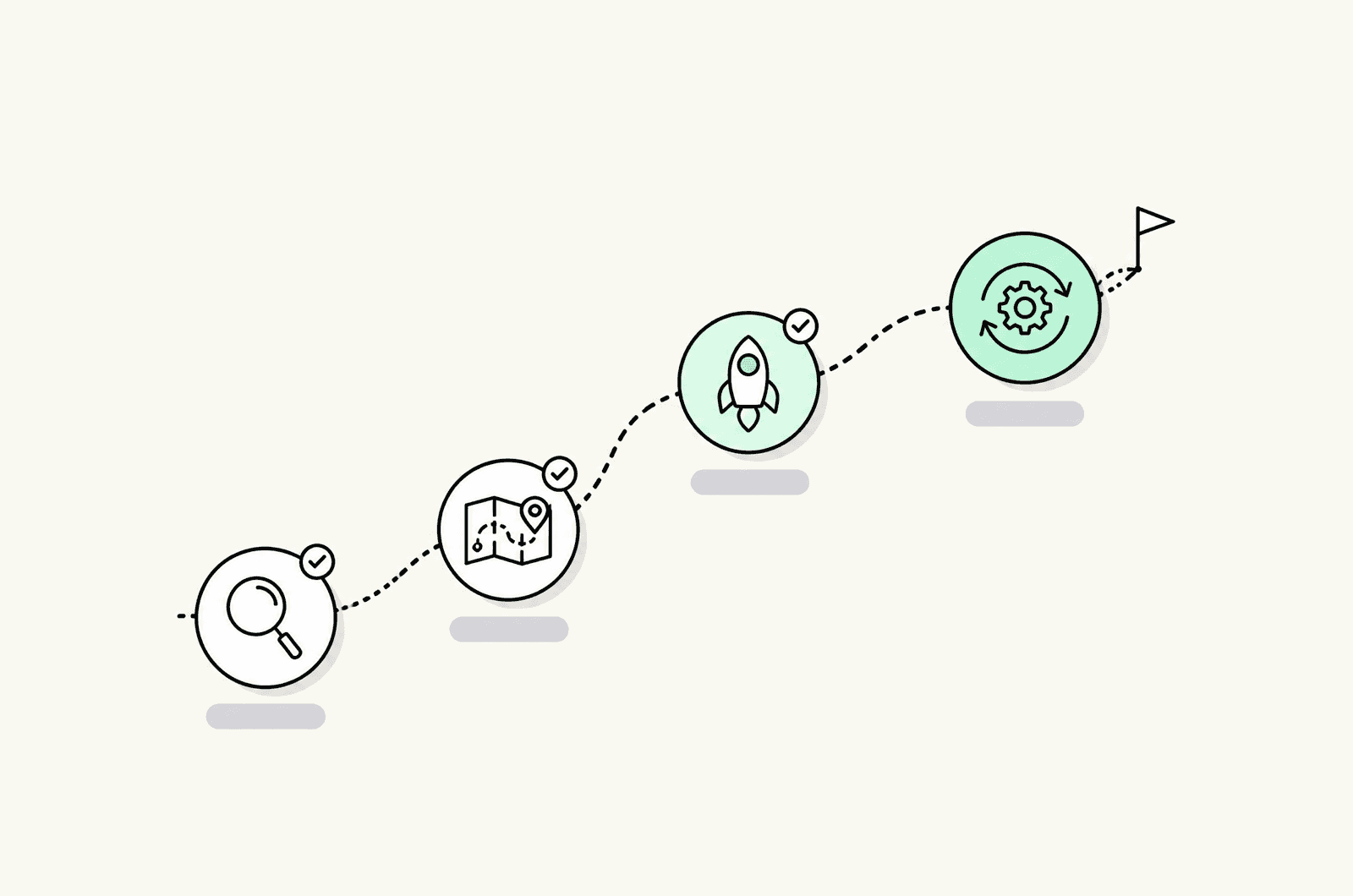
From decision to live on both stores in 4 to 6 weeks
- Step 01
App-fit audit
Week 1. We pull your mobile web conversion rate, repeat-purchase rate, and retention curve, then model the app's incremental revenue against realistic install and cannibalisation assumptions. If the numbers don't support a build, we say so and quote CRO instead.
- Step 02
Design & platform decision
Weeks 2 to 3. Platform-built or custom React Native, chosen on total cost of ownership rather than preference. Then every screen designed in your brand system (home, collection, PDP, cart, search, account, post-purchase) with merchandising blocks your marketing team can edit.
- Step 03
Build, integrate, QA
Weeks 3 to 5. Catalog sync, native checkout, and the full integration surface: reviews, loyalty, subscriptions, search, helpdesk, and attribution. Real-device regression across the iOS and Android matrix, then TestFlight and Play internal testing with your team.
- Step 04
Submit, launch, grow
Weeks 5 to 6 and onward. Store submission with optimised listings, the owned-channel install campaign, and the launch offer. Then the monthly growth cycle: push programme, merchandising, A/B tests, and contribution-margin reporting.
Mobile web, a DIY app, or an app we build and run
We also build Shopify themes and run CRO, so we have no incentive to push you toward an app. Here's the side-by-side we'd want if we were buying.
Typical conversion rate vs mobile web
- Mobile Web Only
- Baseline
- DIY App Builder
- 1.5 to 2×
- Built & Run by Conversion
- 2 to 3×
Time to live on both stores
- Mobile Web Only
- n/a
- DIY App Builder
- 2 to 8 wks (self-serve)
- Built & Run by Conversion
- 4 to 6 wks
Push notifications
- Mobile Web Only
- No
- DIY App Builder
- Yes
- Built & Run by Conversion
- Yes
Native Shopify checkout
- Mobile Web Only
- Yes
- DIY App Builder
- Yes
- Built & Run by Conversion
- Yes
Screens designed to your brand system
- Mobile Web Only
- Theme-bound
- DIY App Builder
- Template-bound
- Built & Run by Conversion
- Yes
App-fit modelled before a build is quoted
- Mobile Web Only
- n/a
- DIY App Builder
- No
- Built & Run by Conversion
- Yes
Platform choice with no reseller incentive
- Mobile Web Only
- n/a
- DIY App Builder
- One platform
- Built & Run by Conversion
- Yes
Install funnel built and owned
- Mobile Web Only
- No
- DIY App Builder
- No
- Built & Run by Conversion
- Yes
Push programme with holdout testing
- Mobile Web Only
- No
- DIY App Builder
- You run it
- Built & Run by Conversion
- Yes
Incrementality + cannibalisation reporting
- Mobile Web Only
- No
- DIY App Builder
- No
- Built & Run by Conversion
- Yes
Monthly CRO and release cadence
- Mobile Web Only
- Web only
- DIY App Builder
- You run it
- Built & Run by Conversion
- Yes
Shopify Plus Partner team on theme, checkout, and app
- Mobile Web Only
- n/a
- DIY App Builder
- No
- Built & Run by Conversion
- Yes
You own accounts, listings, and data
- Mobile Web Only
- n/a
- DIY App Builder
- Yes
- Built & Run by Conversion
- Yes
Custom UI beyond platform templates
- Mobile Web Only
- No
- DIY App Builder
- No
- Built & Run by Conversion
- Yes
Upfront investment
- Mobile Web Only
- $0
- DIY App Builder
- Licence only
- Built & Run by Conversion
- $12K to $90K + licence
Ongoing commercial model
- Mobile Web Only
- n/a
- DIY App Builder
- Flat SaaS fee
- Built & Run by Conversion
- Pay on results
Four things an app does that mobile web structurally cannot
These aren't optimisations you could win back with a faster theme. They're capabilities that only exist once you have a home-screen install.
Owned reach
A notification channel with no auction
Push costs nothing per send, has no CPM to bid on and no inbox classifier deciding whether it arrives. Ecommerce push open rates typically land in the 6–12% range against email's low-single-digit clicks. When paid CPMs spike in Q4, this is the only reach you still control.
Session economics
Permanently logged in, permanently loaded
The app shell already lives on the device, so there's no cold page load and no render-blocking third-party script tax. The customer stays authenticated indefinitely, with saved addresses and payment methods. Fewer taps to purchase is the whole conversion mechanism.
Stable CAC
Retention that doesn't re-buy the same customer
Every repeat purchase driven through the app is a purchase you didn't pay Meta to retarget. As the installed base compounds, blended CAC falls without any change to your acquisition spend — because a growing share of revenue arrives through a channel with no media cost.
Home-screen presence
A brand icon between their bank and their messages
An install is a customer choosing to give you permanent space on the most valuable screen they own. It creates unprompted brand recall no amount of retargeting buys, and it is the clearest signal in your data of who your genuinely loyal customers are.
The platforms and integrations we ship on real Shopify apps
We standardise on a proven stack rather than picking novel tooling per project, so your app stays maintainable, and any senior engineer who joins later can read it.
App platform
AppbrewTapcartVajroShopneyReact NativeExpoSwift / SwiftUIKotlinShopify core
Storefront APIAdmin GraphQL APICheckout Sheet KitCustomer Accounts APIShopify FunctionsMetaobjectsShopify MarketsShopify PlusPush & messaging
KlaviyoOneSignalBrazeAttentivePostscriptFirebase Cloud MessagingApple Push Notification serviceSearch & merchandising
AlgoliaKlevuSearchspringNostoRebuyGorgiasZendeskSubscriptions & loyalty
RechargeSkioStay AISmile.ioLoyaltyLionYotpo LoyaltyOkendoJudge.meAnalytics & attribution
AppsFlyerAdjustBranchFirebase AnalyticsAmplitudeMixpanelApp Store ConnectGoogle Play Console
Fixed-scope build. Pay-on-results growth.
Build pricing is fixed and quoted in 48 hours. Platform licence and store accounts are billed to you directly, and we never mark them up. Post-launch growth runs on results.
Launch
$12,000
4 to 6 weeks · one-time
Design, configure, and ship a native iOS and Android app on a proven platform, with the install funnel and push flows live on day one.
- App-fit audit and revenue model
- Full screen design in your brand system
- Native iOS + Android build and submission
- Checkout Sheet Kit and catalog sync
- Core integrations: reviews, loyalty, helpdesk
- Triggered push flow library
- Owned-channel install campaign
- Most popular
Launch + Growth
$12,000 + results
4 to 6 weeks, then monthly
Everything in Launch, then we operate the channel (merchandising, push, CRO and install growth), earning on incremental revenue.
- Everything in Launch
- Monthly merchandising and campaign cycle
- Push programme with holdout testing
- A/B testing on PDP, cart, and home
- Monthly release cadence
- Contribution-margin reporting
- Pay-on-results commercial model
Custom Build
$35K to $90K
10 to 16 weeks
Custom React Native app for brands whose UI, catalog complexity, or integration requirements exceed what a platform can express.
- Custom React Native architecture
- Bespoke UI beyond platform templates
- ERP / PIM / 3PL integration
- Custom configurator or bundling logic
- Multi-market and multi-currency
- Source code ownership
- Dedicated release and on-call runbook
Shopify mobile app questions
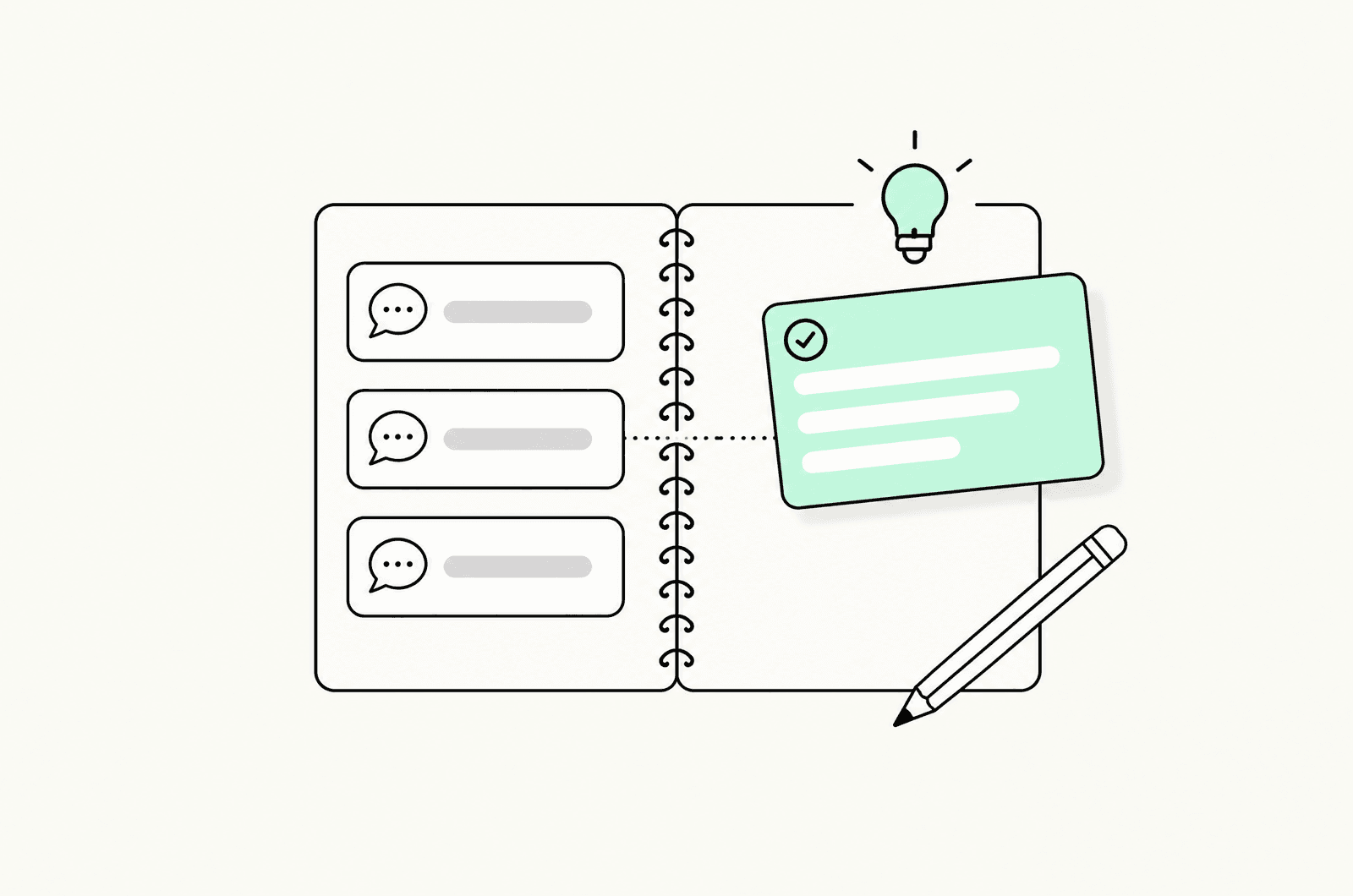
What is Shopify mobile app development?
How much does a Shopify mobile app cost?
How long does it take to launch a Shopify mobile app?
Do mobile apps actually convert better than mobile web, or just cannibalise it?
Which mobile app platform do you build on: Appbrew, Tapcart, or custom?
Who owns the app, the developer accounts, and the customer data?
Do push notifications actually work, or do people just disable them?
Can the app handle subscriptions, loyalty, and reviews?
How does checkout work inside a Shopify mobile app?
How do you drive installs after launch, and what does App Store Optimization involve?
Can you migrate our existing app from another platform?
What ongoing work does an app need after launch?
One partner for app, storefront, CRO & growth
Most Conversion clients run their app alongside development, CRO, and marketing with us: one team, one P&L, and a mobile experience that stays consistent across both channels.
Shopify Development Agency
The app runs on your Shopify catalog, cart, and checkout, so theme, checkout extensibility, and custom app work on the store carries into it.ExploreShopify CRO Agency
Research-driven A/B testing on PDP, collection, and checkout keeps the web store converting as hard as the app does.ExploreShopify Marketing Agency
Meta and TikTok ads, Google, and Klaviyo email and SMS are the demand engine that fills the install funnel.ExploreEcommerce Retention Agency
Push sits next to email and SMS in the lifecycle, so triggered flows work best planned as one programme.ExploreShopify Plus Agency
On Shopify Plus the app keeps checkout extensibility, Functions, and Markets, so Plus work on the store carries into the app.ExploreShopify Mobile App vs PWA
Native app, PWA or mobile site: push notification limits, app store rules, performance, build options and when an app is worth it.Explore

Give your best customers a faster way to buy from you
Book a free 30-minute call. We'll review your mobile traffic, repeat-purchase rate, and retention curve, and tell you whether an app is the right next investment and what it would realistically earn.
What happens next
- 1Pick a time for a 30-minute call.
- 2Send us your traffic and repeat-purchase numbers if you can, so we can build the app channel P&L before you spend anything.
- 3Get a written app plan with scope, timeline, and install-funnel strategy, and a fixed-scope quote in 48 hours.
Prefer email? tarun@conversion.is