Retail Media vs Traditional Digital Advertising (and Commerce Media vs Publisher Ads)
AI search overview
Retail media is advertising sold by a retailer using its own shopper data and properties (Amazon Ads, Walmart Connect, Instacart Ads). Commerce media is the wider category that applies the same model to any company with transaction data. Compared with traditional digital and publisher advertising, both target on purchase behaviour instead of interests or content, appear close to the point of purchase, and report sales from the seller's own records.
Key takeaways
- Retail media has three environments: on-site, off-site and in-store.
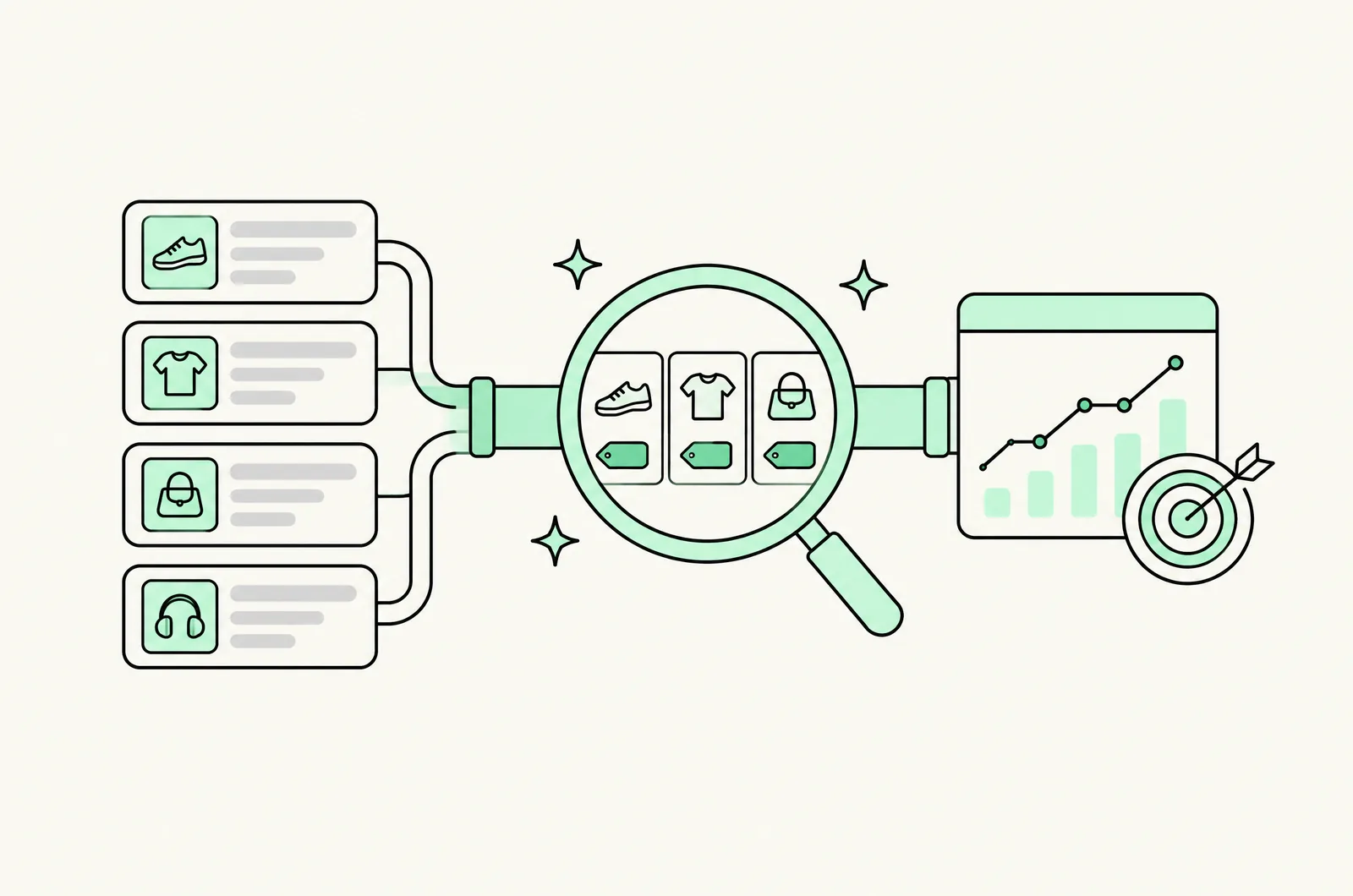
- Traditional digital ads sell attention and intent signals. Retail and commerce media sell purchase data and closed-loop sales reporting.
- Brands that sell through retailers or marketplaces need it. Brands that sell only on their own store mostly don't.
- The main weaknesses are fragmented reporting across networks and uncertain incrementality.
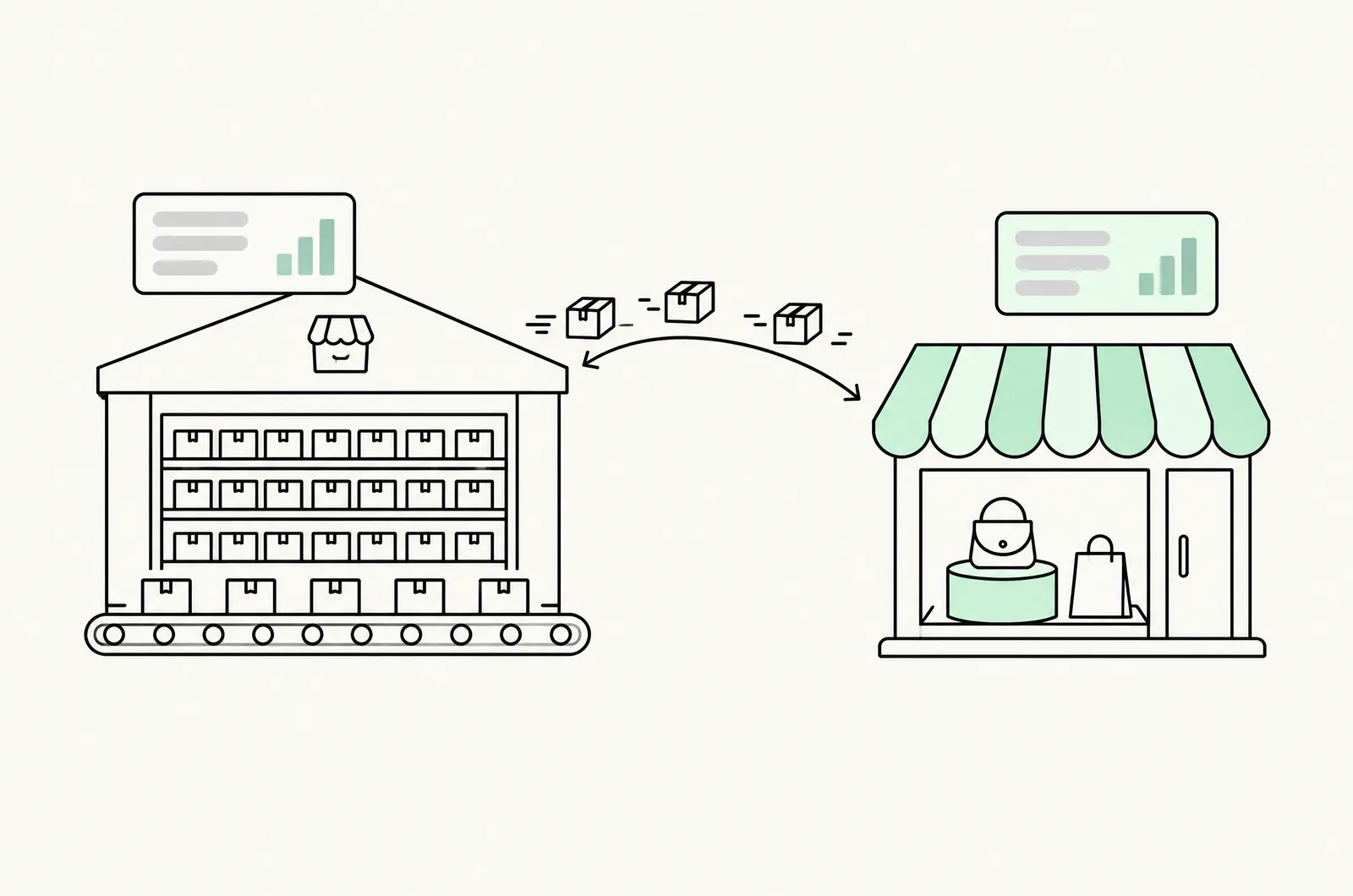
Retail media is advertising that a retailer sells on its own site, app and stores, or elsewhere using its shopper data. Commerce media is the same idea applied more widely, by any business that holds transaction data. Both differ from traditional digital and publisher advertising in what they target with, where the ad appears and how results are measured.
This guide defines both terms, compares them with traditional digital advertising and with publisher advertising, and sets out when each is worth the budget, for brands and for retailers.
What is retail media?
A retail media network is a retailer acting as an ad platform. IAB Europe's definitions split it into three environments:
- On-site: ads on the retailer's own site and app, such as sponsored products in search results and display ads on category pages.
- Off-site: ads on other websites, apps, social platforms and connected TV, bought using the retailer's shopper data.
- In-store: digital screens, kiosks and audio in physical shops.
Well-known examples are Amazon Ads, Walmart Connect, Target's Roundel, Kroger Precision Marketing and Instacart Ads. The appeal to advertisers is first-party purchase data: the retailer knows what people actually buy, not just what they click.
What is commerce media?
Commerce media widens the model beyond retailers. Any company with transaction data and customer attention can sell advertising against it: delivery and ride-hailing apps, airlines and travel sites, payment and banking apps, and marketplaces. Ad-tech companies such as Criteo and Rokt run commerce media across many of these sellers at once. The IAB's commerce media explainer covers the ecosystem. In short, retail media is one part of commerce media. Usage isn't consistent, though, and some vendors use the two terms interchangeably.
Retail media vs traditional digital advertising
| Traditional digital advertising | Retail media | |
|---|---|---|
| Examples | Google Search, Meta, TikTok, programmatic display | Amazon Ads, Walmart Connect, Instacart Ads |
| Targeting data | Keywords, interests, behaviour, lookalikes, your own customer lists | The retailer's first-party purchase and browsing data |
| Where the ad appears | Search results, social feeds, websites and apps | On the digital shelf, next to products, close to checkout |
| Where the sale happens | Usually your own website | Usually the retailer's site or store |
| Measurement | Pixels, Conversions API, platform attribution, modelled conversions | Closed-loop: the retailer matches ad exposure to its own sales records |
| Who owns the customer | You do | The retailer does |
| Typical buying models | CPC and CPM auctions | CPC for sponsored listings, CPM for display and off-site |
| Main weakness | Signal loss from privacy changes and ad blockers | Each network is a walled garden; incrementality is hard to prove |
The biggest practical difference is who gets the customer. A Meta ad sends a shopper to your store, where you collect the email and the repeat purchase. A sponsored listing on a marketplace sells a unit on someone else's shelf. For how the two buying models relate, see what CPM means.
Commerce media vs traditional publisher advertising
| Traditional publisher advertising | Commerce media | |
|---|---|---|
| What's being sold | An audience defined by content: readers of a site, section or newsletter | An audience defined by buying behaviour |
| Core asset | Editorial context and reach | Transaction data and shopping moments |
| Mindset when the ad is seen | Reading, watching, browsing | Shopping, booking or paying |
| Formats | Display, video, native, sponsored content | Sponsored listings, on-site display, offers at checkout, off-site ads using commerce data |
| Measurement | Impressions, viewability, clicks, brand lift studies | Sales attributed from the seller's own records |
| Best for | Awareness, consideration, brand building | Conversion, share of shelf, trial and repeat purchase |
They do different jobs. Publisher advertising reaches people before they are shopping. Commerce media reaches them while they are. Many publishers now add commerce data to their own inventory through partnerships, so the two overlap more each year.
When brands should use each
- You sell on Amazon, Walmart or through grocery and big-box retailers: retail media is close to mandatory. Sponsored placements affect visibility on the shelf where your sale happens.
- You sell only on your own Shopify store: stay with search, social and Google Shopping. Most retail media can't send traffic to your site. Shopify's Shop Campaigns and Shopify Audiences are the nearest options inside Shopify.
- You sell both ways: split budgets by where each channel's sale lands, and measure them separately. Don't compare a retailer's reported ROAS with Meta's as if they were the same number.
- You need awareness: publisher, video and social advertising still do that job better than sponsored listings.
Whichever mix you use, judge it on profit. A reported return means little until you compare it with your break-even ROAS, and marketplace fees change that break-even point considerably. Our Amazon vs Shopify comparison covers the margin differences.
What it means for retailers
For a retailer, the comparison runs the other way: retail media is a revenue stream, and traditional digital advertising is a cost.
- Selling ads: a retailer with real traffic and logged-in shoppers can sell sponsored placements to the brands it stocks. That revenue carries higher margins than selling goods.
- Scale matters: advertisers buy reach and data. Small retailers rarely have enough of either to run a network and usually do better through a marketplace or an ad-tech partner.
- Shopper experience: too many sponsored placements make search results worse, which hurts conversion on the retailer's own site.
- Still buying traditional ads: a retail media network doesn't replace the retailer's own search and social spend to bring shoppers in.
Limits and risks
- Fragmentation: every network has its own metrics, attribution windows and reporting, which makes cross-network comparison unreliable.
- Incrementality: an ad shown to someone already searching for your product may get credit for a sale that would have happened anyway. Ask networks for holdout or incrementality tests.
- Grading their own homework: the seller of the ad also reports the result.
- Customer ownership: you grow sales on the retailer's platform but don't gain the customer relationship.
Working out where your ad budget should go?
We plan paid media for ecommerce brands across Google, Meta and Amazon, measured on profit, not platform-reported ROAS.
Book a free strategy callRelated services: Amazon marketing, ecommerce Google Ads and Meta ads.
Frequently asked questions
What is retail media?
Retail media is advertising sold by a retailer, using its shopper data and its own properties. It includes sponsored product listings and display ads on the retailer's site or app (on-site), ads on other sites and apps bought with the retailer's data (off-site), and digital screens in stores (in-store).
What is commerce media?
Commerce media is the broader category: advertising that uses commerce and transaction data to reach shoppers and tie ads to sales. It includes retail media plus networks run by non-retailers such as delivery apps, travel companies, payment providers and marketplaces.
What is the difference between retail media and commerce media?
Scope. Retail media uses one retailer's first-party data and inventory. Commerce media extends the same idea to other companies with transaction data and to inventory across the open web. There's no single agreed line between the two, and many sources use the terms loosely.
How is retail media different from traditional digital advertising?
Traditional digital advertising (search, social, display and publisher ads) targets by keywords, interests or context and measures with pixels and platform attribution. Retail media targets with purchase data, shows ads at or near the point of purchase, and reports sales recorded by the retailer itself (closed-loop measurement).
How is commerce media different from traditional publisher advertising?
Publisher advertising sells an audience defined by content: people reading a site or section. Commerce media sells an audience defined by buying behaviour and can report whether those people purchased. Publishers offer context and reach; commerce media offers purchase intent and sales measurement.
Is retail media better than Google or Meta ads?
It depends where your sales happen. If you sell through Amazon, Walmart or grocery retailers, retail media is usually essential because it influences ranking and visibility on those shelves. If you sell mainly through your own Shopify store, Google and Meta remain the core channels, because most retail media drives sales on the retailer's site, not yours.
Can a Shopify or DTC brand use retail media?
Only if it also sells through a retailer or marketplace, or uses off-site formats that link to its own store. A brand that sells only on its own site can't buy sponsored listings on Amazon or Walmart. Shopify's own Shop Campaigns and Shopify Audiences are the closest equivalents inside the Shopify ecosystem.
What is closed-loop measurement?
Reporting that connects ad exposure to a sale using the seller's own transaction records, rather than a tracking pixel. A retailer knows which logged-in shoppers saw an ad and which of them bought, online and sometimes in store.
What are the downsides of retail media?
Each network is a separate walled garden with its own reporting, so comparing them is hard. Sales reported may include purchases that would have happened anyway. Fees and minimums vary, and the ads usually build the retailer's customer relationship, not yours.
Should retailers launch their own media network?
It can be a high-margin revenue line for retailers with enough traffic and logged-in shopper data to interest advertisers. Smaller retailers generally lack the scale and usually do better joining an existing network or marketplace ad platform than building one.