Real estate · California
Real estate marketing in California, run from San Francisco
Seller leads, buyer agreements and closings for California brokerages and teams, with every ad built to DRE, AB 723 and housing-ad rules.
Trusted by 50+ D2C brands · Google, Meta & Shopify partners












In an $899,720 market, lead volume isn't the constraint
San Francisco, CA
Statewide coverage
DRE-compliant
§10140.6 + AB 723
Closings, not leads
CRM-attributed
California's statewide median home price was $899,720 in September 2026, according to the California Association of REALTORS®. The Bay Area median was $1,325,000. At those prices, one closed transaction pays for a lot of marketing, so lead volume isn't what limits growth. Seller trust is, along with whether your follow-up converts a portal lead before three other agents call it.
That's also why generic real estate marketing underperforms here. National vendors sell the same lead package in Fresno and Palo Alto, at a cost per lead that ignores a fivefold difference in deal size. Their ads skip the license number the DRE requires. They bring 2019 targeting habits to platforms that now restrict housing ads by law and by policy.
We run real estate as one of nine verticals in our California agency, from 15 Westgate Drive in San Francisco. The work covers the whole funnel: seller and buyer search, listing pages that rank, housing-compliant paid social, CRM nurture and attribution back to signed agreements. Since AB 2992, every California buyer needs a written representation agreement before an offer. That agreement is now a trackable conversion, and we measure against it.
This page covers real estate as a whole: brokerages, teams and agents across residential markets. Luxury and coastal brokerage has its own page, because a $10 million Montecito listing is sold to a different buyer in a different way. New-build developers and commercial real estate have their own pages too.
Why real estate marketing breaks in California
Three problems show up in almost every California brokerage account we audit. Each comes from the state's prices, its laws or its competition.
Portals set your cost per lead, and it's rising
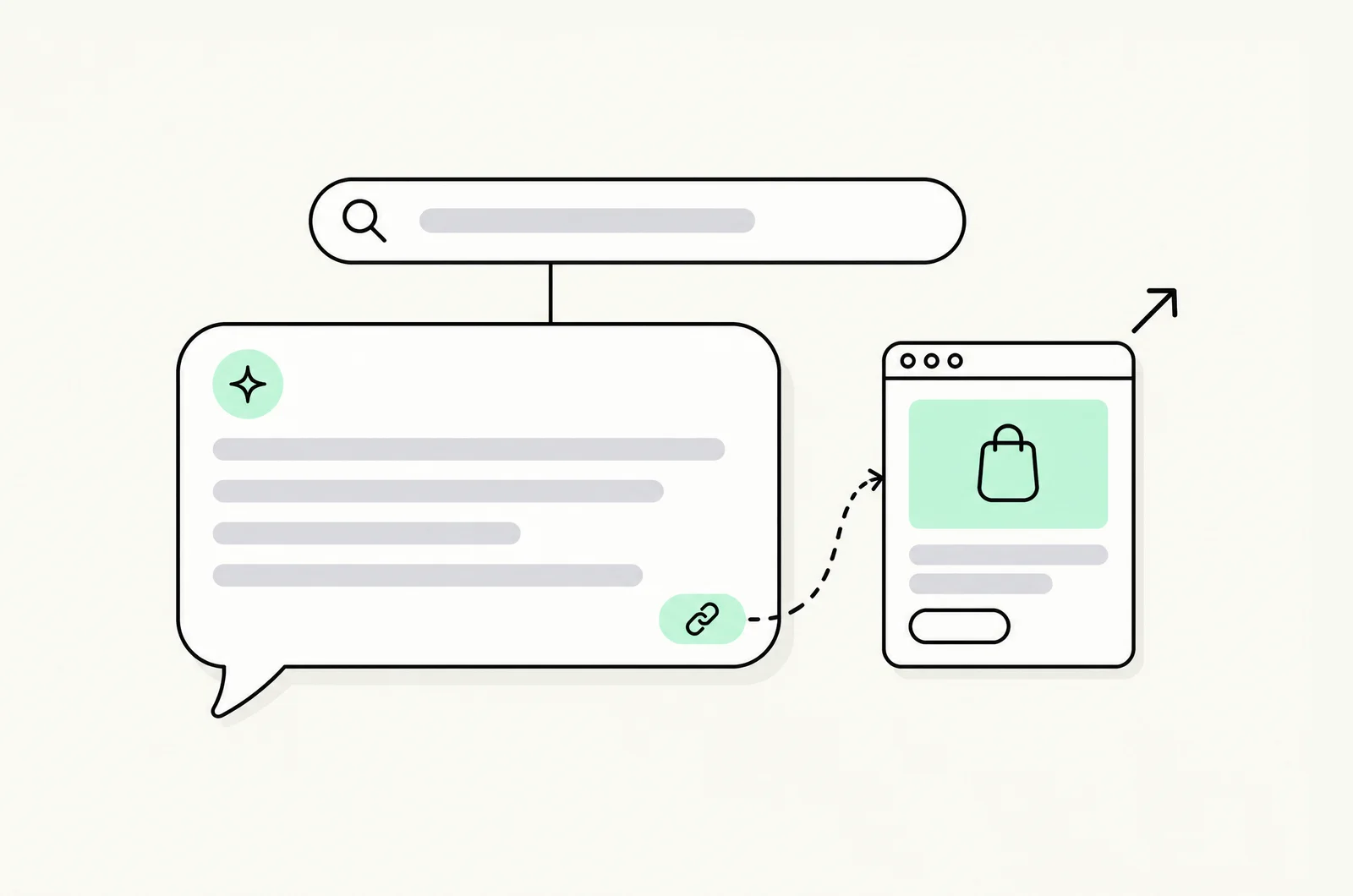
Zillow, Redfin, Realtor.com and Compass own most page-one results for '[city] homes for sale', and they resell the demand back to you. In a market where the Bay Area median is $1,325,000, portal and paid-search competitors bid as though every lead is worth a full commission. If your conversion from lead to signed agreement is below theirs, you lose money on every click you win.
Your ads are regulated three ways at once
The DRE requires your name and license number on first-point-of-contact materials, including ads and websites (B&P Code §10140.6, 10 CCR §2773). Since 1 January 2026, AB 723 requires you to disclose digitally altered listing photos and give buyers the originals. Meanwhile Meta and Google housing policies, plus federal and California fair-housing law, block targeting by age, gender or ZIP code. Most agency templates break at least one of these.
Buyer leads now come with a contract
AB 2992 (Civil Code §1670.50) has required a written buyer-broker agreement since January 2025, capped at three months, signed no later than the first offer. Buyers now have to commit before you're paid, so a lead that never signs has no value. Campaigns optimised to form fills fill the CRM with people who were never going to sign.
Eight workstreams, one commission report
Each workstream below names what goes wrong in California when it's done badly. That's usually how we find them in an audit.
Seller-lead SEO and valuation pages
Neighbourhood and 'what is my home worth' pages built on real comps and school-district data. Get this wrong in California and you're competing with portal estimates on the one query where sellers decide who to call.
Listing and community pages that rank
IDX listing pages with unique copy, structured data and indexable neighbourhood guides. Thin IDX pages are duplicates of the MLS feed, and Google gives the ranking to the portal that published first.
Google Ads under the housing policy
Search campaigns tiered by intent: seller, buyer, relocation and investor. No age, gender, parental-status or ZIP targeting, as Google's US housing policy requires. Mis-built campaigns get disapproved, or worse, quietly lose delivery in the metros you need.
Meta housing-category ads
Listing, open-house and seller campaigns run in Meta's housing special ad category, with first-party audiences rather than demographic filters. Running housing ads outside the category risks account restriction and fair-housing exposure.
DRE and AB 723 compliance on every asset
License number and broker identity on ads, landing pages and social profiles. 'Digitally altered' labels and original-photo links on staged or edited images. A missed disclosure is a DRE complaint waiting to happen, and AB 723 violations carry criminal penalties.
Lead response and CRM nurture
Routing, five-minute response targets and long-cycle nurture in Follow Up Boss, Lofty, kvCORE or your CRM. Many California sellers take a year or more to list, so most commission value sits in leads older than 90 days.
Attribution to signed agreements and closings
Offline conversion imports for listing agreements, AB 2992 buyer agreements and closed sides, fed back into Google and Meta. Without this, the platforms keep optimising toward the cheapest form fills.
Recruiting campaigns for brokerages
Agent-recruiting search and social for brokerages competing with eXp, Compass and Real. The agents worth hiring are already being recruited by everyone, so the offer has to be specific: splits, leads, tools or brand.
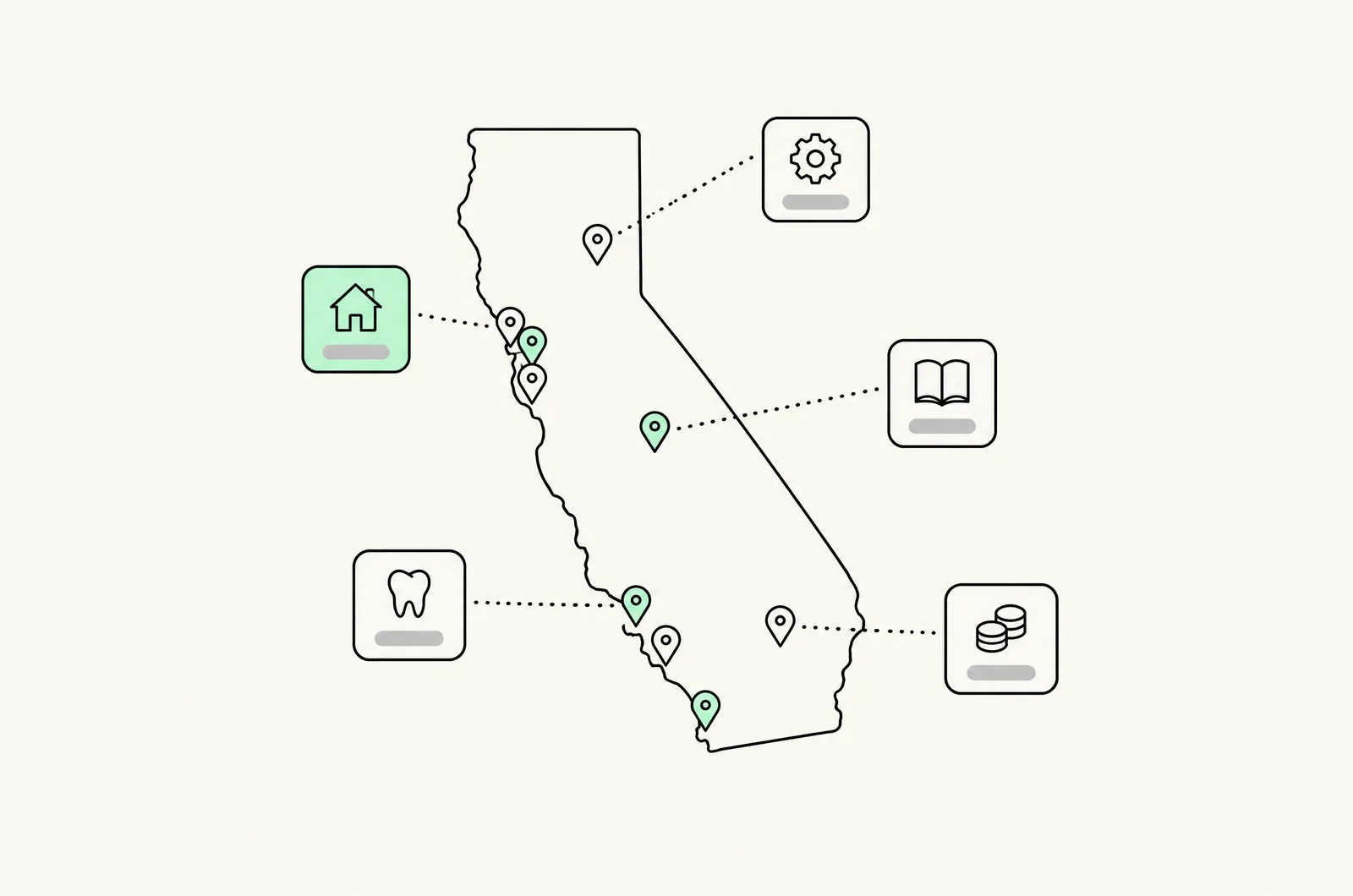
Real estate marketing, metro by metro
What's actually true for real estate in each market, and what it changes in the campaign.
Los Angeles
Measure ULA adds a 4% transfer tax from about $5.4M and 5.5% from about $10.9M (CPI-adjusted each July) on City of LA sales. Sellers price around those thresholds, so listing copy and seller-valuation campaigns do too. The LA County fires of January 2025 also put wildfire and insurance questions into Westside and foothill buyer searches.
San Francisco Bay Area
The highest median in the state ($1,325,000, C.A.R., September 2026) and buyers paid in RSUs whose timing follows vesting and IPO calendars. Seller marketing works on tight inventory, and buyer campaigns need relocation content for transfers into SF, Oakland and the Peninsula.
Orange County
Coastal cities from Newport Beach to Laguna and inland Irvine master-planned communities are two different markets. Irvine buyers search by school district and HOA; the coast searches by street. Campaigns split along that line.
San Diego
Camp Pendleton and the Navy make VA-loan buyers and PCS-move timing a real segment, alongside North County move-up buyers and downtown condo investors. Military relocation content and VA-financing pages earn steady, low-competition demand.
Inland Empire
A $601,030 median (C.A.R., September 2026) makes Riverside and San Bernardino counties the landing zone for buyers priced out of LA and Orange County. Commuter-distance content, new-construction comparisons and Spanish-language search all matter.
Sacramento
A long-running destination for Bay Area remote workers and retirees. Prop 19 lets eligible owners 55 and over carry their property tax base to a new home, so downsizer and relocation campaigns aimed at Bay Area sellers do well here.
Palm Springs & Coachella Valley
A second-home and short-term-rental market whose season runs roughly October to April. City short-term-rental permits and caps shape investor demand, so investor campaigns lead with the rules, not just the returns.
Central Valley
Fresno, Bakersfield and Modesto: new tract construction, first-time buyers and cheaper auctions. A plain offer and fast response beat polished brand creative here, and cost per signed buyer is often the lowest in the state.
From commission audit to closings by source
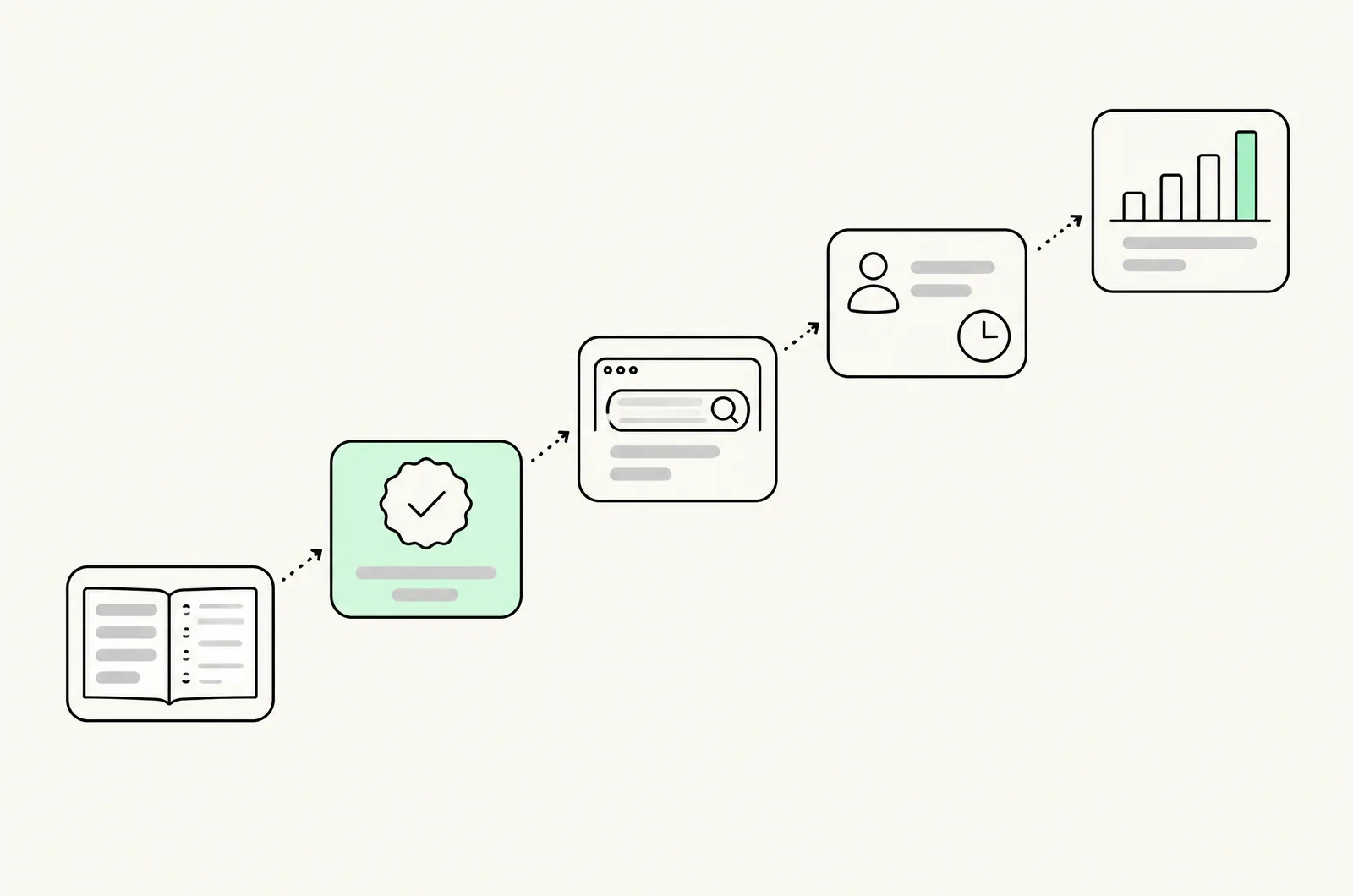
- Step 01
Funnel and commission audit
We map lead sources to signed listings, AB 2992 buyer agreements and closed sides for the last 12 months, by metro. Then we price each source on commission earned, not cost per lead.
- Step 02
Compliance pass
DRE license disclosure on every first-contact asset, AB 723 labels and original-photo access, housing ad categories in Google and Meta, and a CCPA/CPRA check of IDX forms and pixels.
- Step 03
Build seller and buyer engines
Seller-valuation SEO and search campaigns, listing and community pages, and housing-category social. Each one is set up per metro and timed to spring listing season.
- Step 04
Wire the CRM back to the ads
Speed-to-lead routing, long-cycle nurture, and offline conversion imports, so Google and Meta learn from signed agreements instead of form fills.
- Step 05
Report on commission
A monthly report on agreements, closings and commission by source and metro. Budget moves toward the metros and channels that close, every month.
A California agency, an out-of-state vendor or an in-house marketer
In-house costs are directional and depend on seniority and metro.
DRE §10140.6 and AB 723 compliance built in
- Out-of-state vendor
- Rarely checked
- In-house California hire
- Depends on the hire
- Conversion (San Francisco)
- Yes
Housing special ad category set up correctly
- Out-of-state vendor
- Often missed
- In-house California hire
- Usually
- Conversion (San Francisco)
- Yes
Plans by California metro and season
- Out-of-state vendor
- One national template
- In-house California hire
- Limited bandwidth
- Conversion (San Francisco)
- Yes
Optimises to signed agreements, not leads
- Out-of-state vendor
- Cost-per-lead reports
- In-house California hire
- Varies
- Conversion (San Francisco)
- Yes
SEO, paid, social and CRM in one team
- Out-of-state vendor
- Usually one channel
- In-house California hire
- Requires several hires
- Conversion (San Francisco)
- Yes
AB 5 / payroll exposure
- Out-of-state vendor
- None
- In-house California hire
- W-2 above $70,304 exempt floor
- Conversion (San Francisco)
- None
Typical monthly cost
- Out-of-state vendor
- $1,500–$6,000 lead package
- In-house California hire
- $10,000+ fully loaded (directional)
- Conversion (San Francisco)
- From $4,500 fee
The closest real result we can show you
- Lead generation · national
388%
Conversions in 90 days
NP Digital: intent-tiered search with weekly negatives
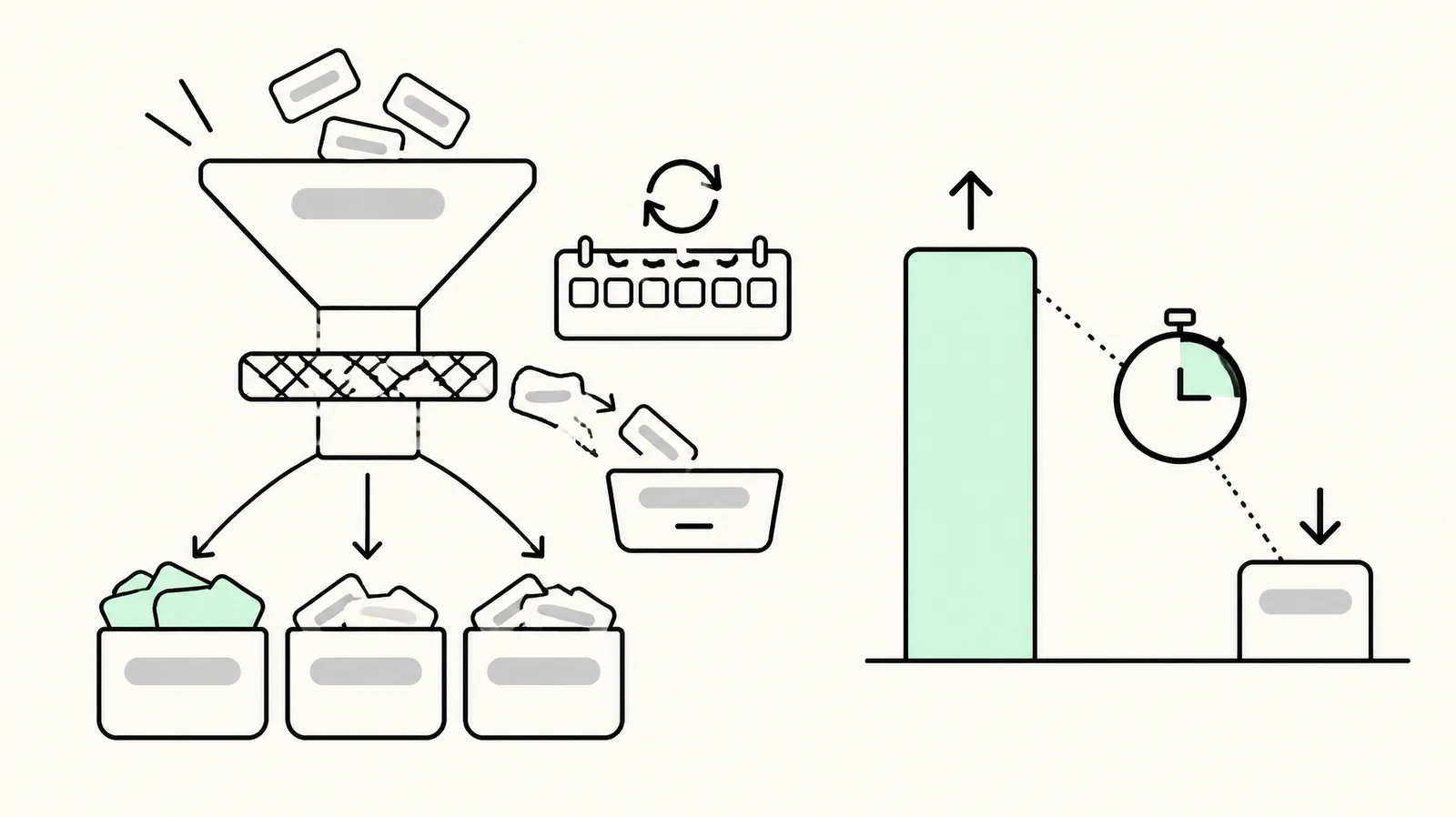
This wasn't a real estate account. We don't have a published one yet, and we won't invent one. What carries over is the method: campaigns split by intent tier, negatives added weekly, CPA down 70%. It's the same structure we use to separate seller, buyer and investor searches.
Where real estate splits into different jobs
These buyers work differently enough from a residential brokerage to need their own plan.
- Live
Luxury & coastal brokerage
$5M+ listings, off-market buyers and the Westside, Montecito, Marin and Laguna markets. Private-network marketing that doesn't cheapen the listing.
- Live
New-build developers
Pre-sales and absorption marketing for tract and infill projects, from the Inland Empire to Sacramento's growth corridors. Interest lists, model-home traffic and DRE public-report timing.
- Live
Commercial real estate
Industrial, office and retail leasing and investment sales. Long B2B cycles, broker co-op and tenant-rep audiences around the ports and tech corridors.
What real estate marketing costs in California
USD, excluding ad spend. Bay Area and Westside auctions need a larger media budget than the Central Valley; our fee doesn't change with the metro.

Agent & team
From $4,500/mo
One metro · one or two channels
Seller-lead SEO or housing-category paid media for a team in one metro, with DRE and AB 723 compliance and CRM attribution included. Ad spend is separate.
- Seller-valuation pages
- Housing ad category setup
- Agreements-and-closings report
- Most popular
Brokerage program
$9,000–$16,000/mo
Multi-office · multi-metro
SEO, search, social and CRM nurture across offices and metros, plus agent-recruiting campaigns. Priced for a brokerage, not per agent.
- Metro and community pages
- Offline conversion imports
- Agent-recruiting campaigns
Pay-on-results
Base + share
Qualifying brokerages
A lower base fee plus a share of commission from attributable closings above an agreed baseline. It needs clean CRM data and enough monthly volume to measure.
- Baseline agreed up front
- Paid on attributed closings
- Shared risk, same reporting
Real estate marketing questions, California edition

What does a real estate marketing agency in California do?
Do California real estate ads need a DRE license number?
What does AB 723 mean for listing photos and virtual staging?
How has AB 2992 changed buyer lead generation?
Can I target real estate ads by age, ZIP code or income?
How does Measure ULA affect Los Angeles listing marketing?
How much does real estate marketing cost in California?
How long until real estate marketing produces closings?
Do you buy Zillow or Realtor.com leads for clients?
Do you guarantee leads or rankings?
More from the San Francisco team
California digital marketing hub
All nine California verticals, the state rulebook and eight metros in one place.ExploreLuxury real estate marketing
Off-market buyers, $5M+ listings and private-network marketing for coastal brokerages.ExploreNP Digital case study
The intent-tiered search structure behind our seller and buyer campaigns.ExploreSEO agency
The technical and content SEO that seller-valuation and community pages run on.ExploreManufacturing marketing in California
A sibling vertical: RFQ pipeline and account-based B2B for California manufacturers.ExploreInterior design marketing in California
A sibling vertical: the designers who furnish and stage many of your listings.Explore



Sources and statutes
Every market figure and regulation cited on this page.
Facts and thresholds last checked 19 November 2026.
- California Association of REALTORS® — September 2026 home sales and price report (via National Mortgage Professional)Statewide median $899,720; Bay Area $1,325,000; Inland Empire $601,030.
- California DRE — RE 559 license and advertising disclosure chartBusiness & Professions Code §10140.6 and 10 CCR §2773: name and license number on first-point-of-contact materials.
- Inman — What you should know about California's new listing photo law (AB 723)B&P Code §10140.8, in force 1 January 2026: disclose digitally altered listing images and give access to the originals.
- California DRE — Licensee advisory on buyer representation agreements (AB 2992)Civil Code §1670.50, from 1 January 2025: written buyer-broker agreement, maximum three months.
- City of Los Angeles Office of Finance — Measure ULA FAQ4% and 5.5% tiers, CPI-adjusted every 1 July: $5.3M / $10.6M for FY2025-26; reported at about $5.4M / $10.9M for sales closing after 30 June 2026. Confirm the current figure on the City FAQ.
- Google Ads policy — Personalized advertising: housing, employment and credit (US)
- California Board of Equalization — Proposition 19 base-year value transfers
- CalChamber — California 2026 minimum wage increases to $16.90 per hourExempt salary floor = 2 × $16.90 × 2,080 = $70,304 a year from 1 January 2026.
Get a commission-by-source audit
30 minutes with a senior strategist. Bring your CRM export if you can, and we'll show where your closings actually come from.
What happens next
- 1Pick a time for a 30-minute call.
- 2We review lead sources, compliance gaps and metros.
- 3You leave with a plan priced on commission, not leads.
Prefer email? tarun@conversion.is