New-build developers \u00b7 California
New-build developer marketing that fills a California pipeline
Interest lists, grand openings and steady model traffic for California homebuilders, measured on net sales per community.
Trusted by 50+ D2C brands · Google, Meta & Shopify partners












Market before you can sell, sell the day you're allowed
San Francisco, CA
Statewide corridors
Report-aware
DRE public report timing
Absorption
Sales per community, monthly
You can't take a deposit on a California subdivision until the Department of Real Estate says so. Under the Subdivided Lands Law, five or more lots, units or interests need a DRE public report, and you can't negotiate a sale until a conditional or final report is issued. Most builders know this. Fewer plan their marketing around it, so the interest list starts the week the report lands, months after it should have.
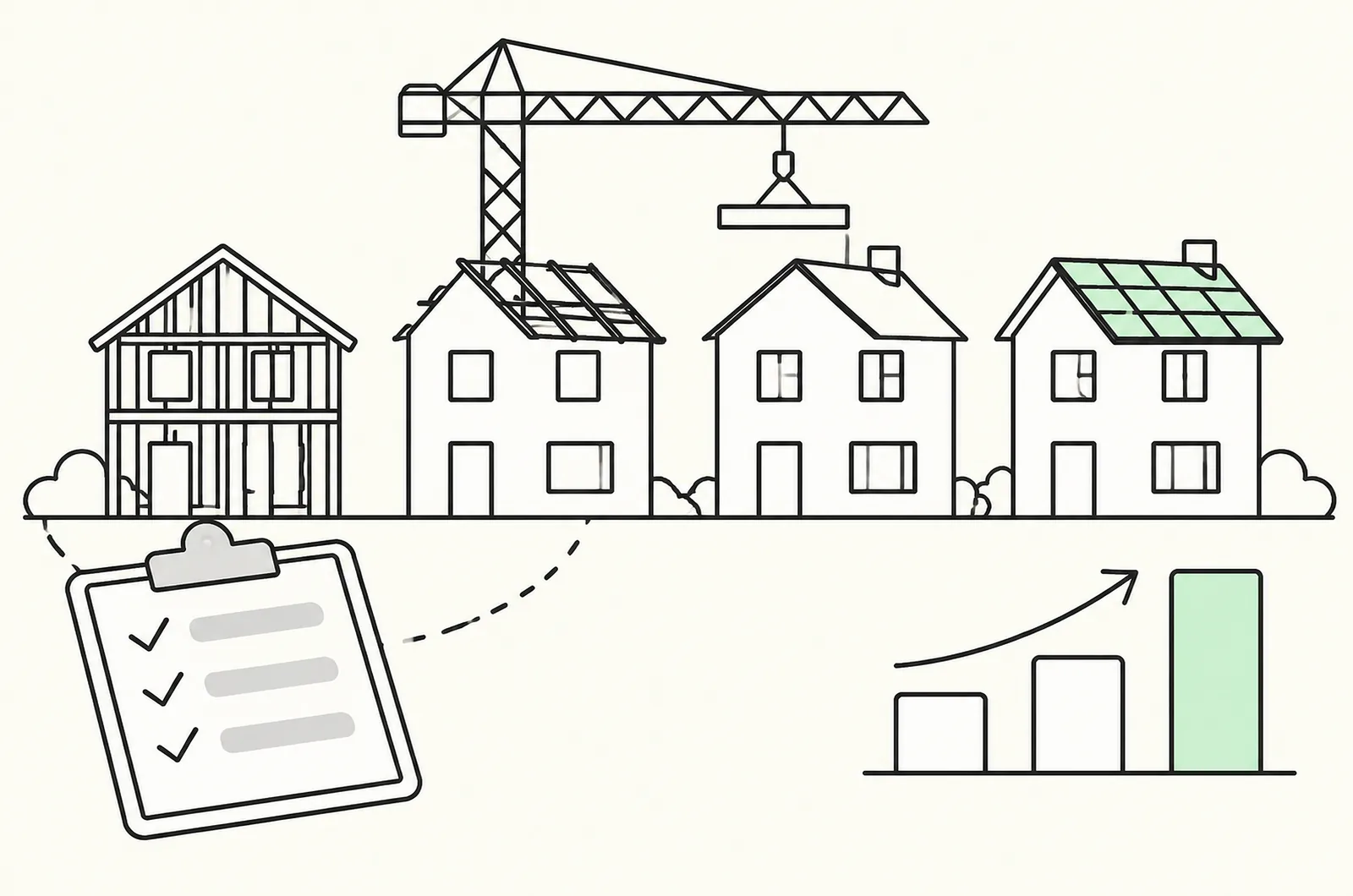
Builder marketing is measured in absorption: net sales per community per month, against the pro forma that financed the land. Every week a community sells below pace costs carry, incentives and margin. The marketing job runs the whole arc. Build the interest list early, convert it at grand opening, keep model traffic steady through the middle phases, and clear the last standing inventory without discounting the brand.
We run this as part of our real estate practice in California, from the San Francisco team. It's built for production and infill builders: master-planned communities in Riverside County and the Sacramento suburbs, townhome infill in Los Angeles and San Diego, and land-light builders who need each phase to pay for the next.
Three reasons communities sell below pace
These come up in almost every builder account we review, and none of them is about ad spend.
The interest list starts too late
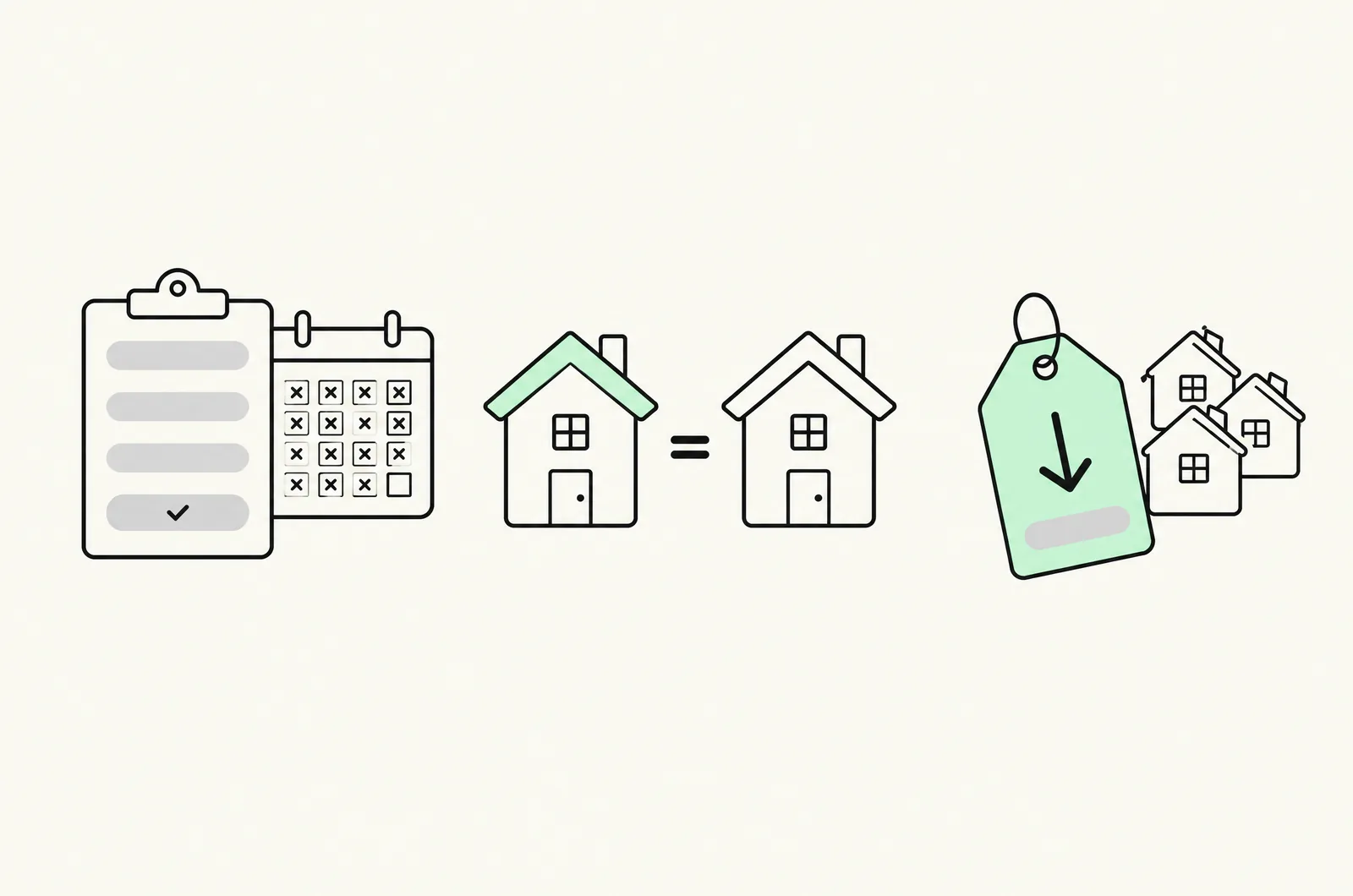
Because you can't negotiate before a conditional or final DRE public report, many builders hold all marketing until it issues. That wastes the six to twelve months of grading and model construction when a VIP list costs little to build. A list built early, with a clear 'register for priority access' offer and no pricing commitments, is what makes a grand-opening weekend sell out.
Every new home looks the same online
California's Energy Code requires solar PV on newly built single-family homes, so 'solar included' no longer sets you apart from the builder next door. Resale homes on the same freeway exit are often cheaper per square foot. You have to sell what resale can't: a warranty, a lower insurance and maintenance profile, energy bills, and a rate buydown that changes the monthly payment.
Incentives get advertised in ways that backfire
Rate buydowns, closing-cost credits and 'quick move-in' discounts move standing inventory, but blasting them trains buyers to wait for the next round and annoys people who bought last month. Incentive messaging should be targeted by phase and lot, run through your preferred lender's disclosures, and switched off when a phase is sold.
Seven pieces of work, from land close to close-out
Pre-report interest lists
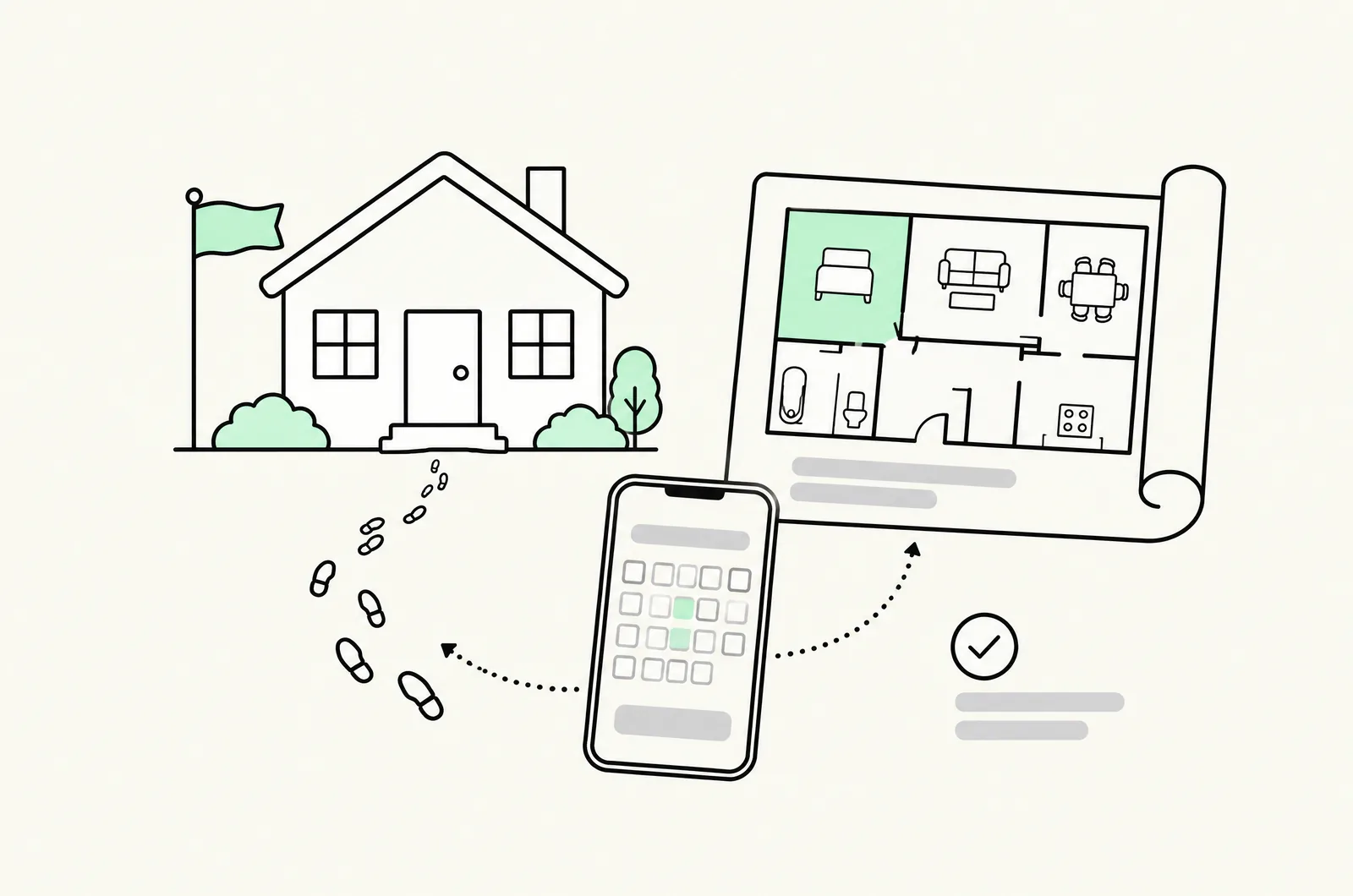
VIP and priority-access registration campaigns that start at land close, worded so nothing reads as an offer to sell before the DRE report. Done wrong, a 'reserve now' button is a Subdivided Lands Law problem.
Grand-opening launch campaigns
Search, social and email sequenced to the opening weekend, with appointment booking for the first release. A launch that converts the list in two weekends sets the pace the lender and the land seller watch.
Model-home traffic and appointments
Always-on search and local campaigns that book model tours, tracked from ad to sales-centre visit. Walk-in counts on a clipboard can't tell you which channel is working.
New-versus-resale content
Pages comparing monthly cost of ownership with resale nearby: energy, insurance, HOA and buydown payment. In California's Energy Code era, 'solar included' isn't a differentiator; the monthly number is.
Phase and lot-level incentive campaigns
Rate buydown and quick move-in campaigns targeted to the lots that need them, switched off when the lots sell, with lender disclosures included.
Community websites and floor-plan SEO
Community and plan pages that rank for '[city] new homes' and '[plan size] new construction near [employer]'. Builder sites buried in a corporate CMS usually lose these searches to aggregators.
Absorption dashboard
Leads, appointments, contracts, cancellations and net sales by community and channel, weekly, reconciled with your sales system. Your land and finance teams get the same number marketing does.
Where California builds new homes
The corridors with most of the state's production and master-planned building, and what sells there.
Inland Empire
Ontario Ranch, Menifee, Beaumont and the I-15 corridor carry much of Southern California's production building. Buyers are often priced out of Orange County and LA, so commute times and payment comparisons do most of the selling.
Sacramento region
Folsom Ranch, Natomas, Roseville and Elk Grove draw Bay Area move-outs and first-time buyers. Campaigns run in the Bay Area as much as in Sacramento, aimed at buyers who'll trade a longer drive for a bigger home.
Central Valley
Fresno and Clovis, Bakersfield, Modesto and Merced: entry-level product, cheaper auctions and price-sensitive buyers. Plain incentive offers and fast follow-up beat lifestyle creative.
Antelope Valley
Lancaster and Palmdale sell on affordability with an LA County address. Aerospace and defence employers nearby make employer-targeted relocation content worth building.
Orange County master plans
Irvine's Great Park neighbourhoods and Rancho Mission Viejo sell at premium prices to school-driven buyers. Releases often sell by lottery or interest list, so the list is the whole game.
San Diego South County
Otay Ranch and Chula Vista combine military households, cross-border commuters and bilingual demand. VA-financing content and Spanish-language campaigns pull their weight here.
From interest list to the last home sold
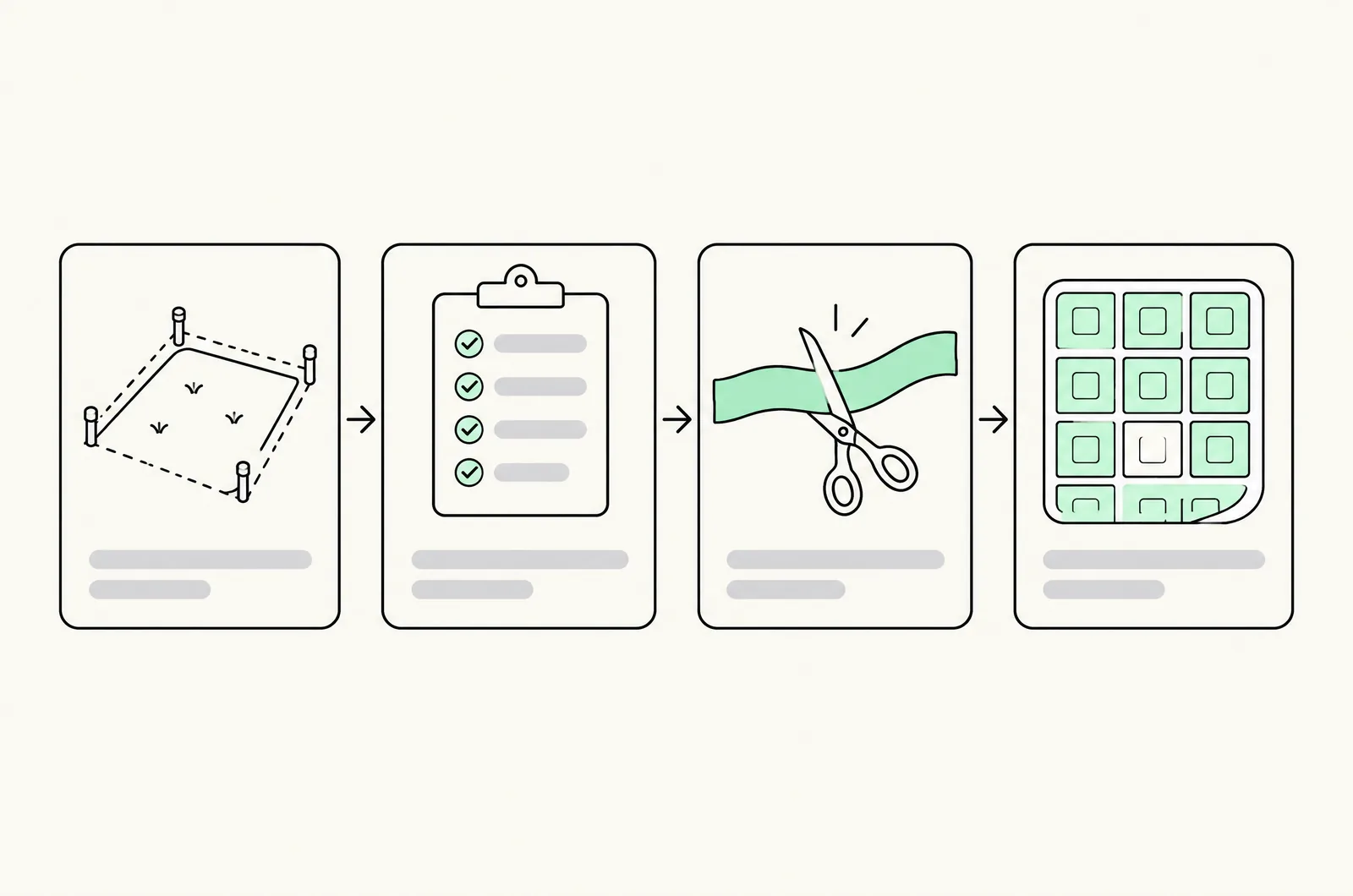
- Step 01
Pro forma and timeline
We start from your absorption target, phase plan and DRE report timeline, then build the marketing calendar backwards from the first release.
- Step 02
Interest list
Priority-access registration from land close or grading, worded for pre-report compliance, with a monthly nurture to keep the list warm.
- Step 03
Launch
Grand-opening sequence across search, social and email, appointment booking for the first release, and the conversion report the morning after.
- Step 04
Hold pace, then close out
Model traffic campaigns through the middle phases, lot-level incentives as needed, and a close-out plan for the last homes.
A builder specialist vs a general agency vs an in-house marketer
In-house costs are directional and depend on seniority and metro.
Plans around the DRE public report date
- General marketing agency
- Rarely
- In-house marketing hire
- Usually
- Conversion (San Francisco)
- Yes
Tracks ad to model visit to contract
- General marketing agency
- Leads only
- In-house marketing hire
- Clipboard counts
- Conversion (San Francisco)
- Yes
Lot-level incentive targeting
- General marketing agency
- Community-wide blasts
- In-house marketing hire
- Manual
- Conversion (San Francisco)
- Yes
Covers Bay Area-to-Sacramento and LA-to-IE commuters
- General marketing agency
- Local radius only
- In-house marketing hire
- Limited reach
- Conversion (San Francisco)
- Yes
Reports net absorption by community
- General marketing agency
- No
- In-house marketing hire
- Spreadsheet
- Conversion (San Francisco)
- Yes
Cost per active community
- General marketing agency
- $3,000–$8,000/mo
- In-house marketing hire
- $9,000+/mo per marketer (directional)
- Conversion (San Francisco)
- From $6,000/mo
What we can show, stated plainly
- Consumer brand · national
$8.5M
Gross sales, +37% YoY
Actively Black: demand built ahead of the peak
Not a homebuilder. Our only published results are outside real estate, so here's the honest link. Actively Black grew 37% by building audiences before peak season instead of re-buying warm traffic. Pre-report interest lists apply the same idea to a community launch.
Priced per community or per division
USD, excluding media. Fees don't change with the metro; media budgets do.
Community launch
From $6,000/mo
Per community · launch to 50% sold
Interest list, grand-opening sequence, model traffic and an absorption report for one community. Media is separate and billed to your accounts.
- Pre-report interest list
- Grand-opening sequence
- Weekly absorption report
- Most popular
Builder program
$12,000–$24,000/mo
Multi-community · ongoing
Every active community, plus division-level SEO, incentive campaigns and the dashboard your land and finance teams read.
- All active communities
- Lot-level incentive campaigns
- Division SEO and plan pages
Pay-on-results
Base + per sale
Qualifying builders
A lower base plus a fee per net sale above the pace agreed in your pro forma. Cancellations net out.
- Pace agreed up front
- Paid on net sales
- Cancellations deducted
New-home marketing questions
Can I market a California community before the DRE public report is issued?
What does new-home marketing for a builder include?
How do you compete with cheaper resale homes nearby?
Should builders advertise rate buydowns and incentives?
Which California markets do you plan new-home campaigns for?
How do you measure builder marketing results?
How much does new-build developer marketing cost?
Do you work with infill and townhome developers too?
The rest of the California real estate practice
Real estate marketing in California
The parent practice for brokerages, teams and agents across the state.ExploreLuxury & coastal brokerage marketing
Private launches and compliant imagery for $5M+ listings.ExploreCommercial real estate marketing
Leasing and investment sales for industrial, office and retail space.Explore

Sources and statutes
Every figure and regulation cited on this page.
Facts and thresholds last checked 19 November 2026.
- California DRE — Subdivision public reports (developers)Subdivided Lands Law (B&P Code §11000 et seq.): five or more lots or interests need a DRE public report before marketing; no sales negotiation before a conditional or final report.
- California Energy Commission — 2022 Energy Code: single-family solar PV, solar-ready and ESS-ready
- California Association of REALTORS® — September 2026 home sales and price report (via National Mortgage Professional)Statewide median $899,720; Bay Area $1,325,000; Inland Empire $601,030.
- California DRE — RE 559 license and advertising disclosure chartBusiness & Professions Code §10140.6 and 10 CCR §2773: name and license number on first-point-of-contact materials.
Plan your next community launch
30 minutes with a senior strategist. Bring the community, the phase plan and the expected DRE report date.
What happens next
- 1Pick a time for a 30-minute call.
- 2Share the community, phases and report timeline.
- 3Get a launch calendar built back from first release.
Prefer email? tarun@conversion.is