Hospitality \u00b7 California
Hospitality marketing in California, built to win the direct booking
More direct bookings and covers for California hotels, restaurants, wineries and venues, with every advertised rate built to SB 478.

Trusted by 50+ D2C brands · Google, Meta & Shopify partners









A $158.9 billion market, and a fight over who keeps the margin
San Francisco, CA
Coast to desert
SB 478-ready
All-in rates
Direct revenue
Net of commission
Visitors spent $158.9 billion in California in 2025, according to Dean Runyan Associates' report for Visit California. That was up 1.7%, with lodging at $35.2 billion and food service at $38.5 billion. International spending fell by about $1 billion, to $25 billion. The total is enormous, but it's growing slowly, and the mix is moving toward domestic and in-state travellers who book late and compare everything.
For a California hotel, restaurant group or winery, the marketing problem isn't demand. It's who keeps the margin. Online travel agencies take a commission on every booking they send. Third-party delivery and reservation apps take a cut of every cover. Review platforms decide who appears in 'best brunch near me'. Each channel that brings guests also sits between you and them.
We run hospitality as one of nine verticals in our California practice, from San Francisco. The work is about shifting bookings and covers to channels you own: direct-booking search, metasearch, paid social built around each destination's calendar, email to past guests, and local search. It's measured on direct revenue after commission, not on clicks or followers.
This page covers hospitality broadly: hotels and resorts, restaurant groups, wineries and tasting rooms, attractions and event venues. Boutique and independent hotels have their own page, because competing with brand loyalty programmes is a different job. Restaurant groups and wineries have their own pages too.
Why California hospitality loses margin to intermediaries
Each problem comes from California's costs, its pricing law or its destination calendar.

Commission eats the margin California costs already squeezed
California hospitality pays some of the country's highest wages and rents, with local minimum wages above the state's $16.90 floor in several cities. Then OTAs take a commission on rooms and third-party apps take a cut of covers. When a third of your bookings arrive through intermediaries, even a small shift to direct pays for the marketing many times over.
SB 478 changed how you can advertise a price
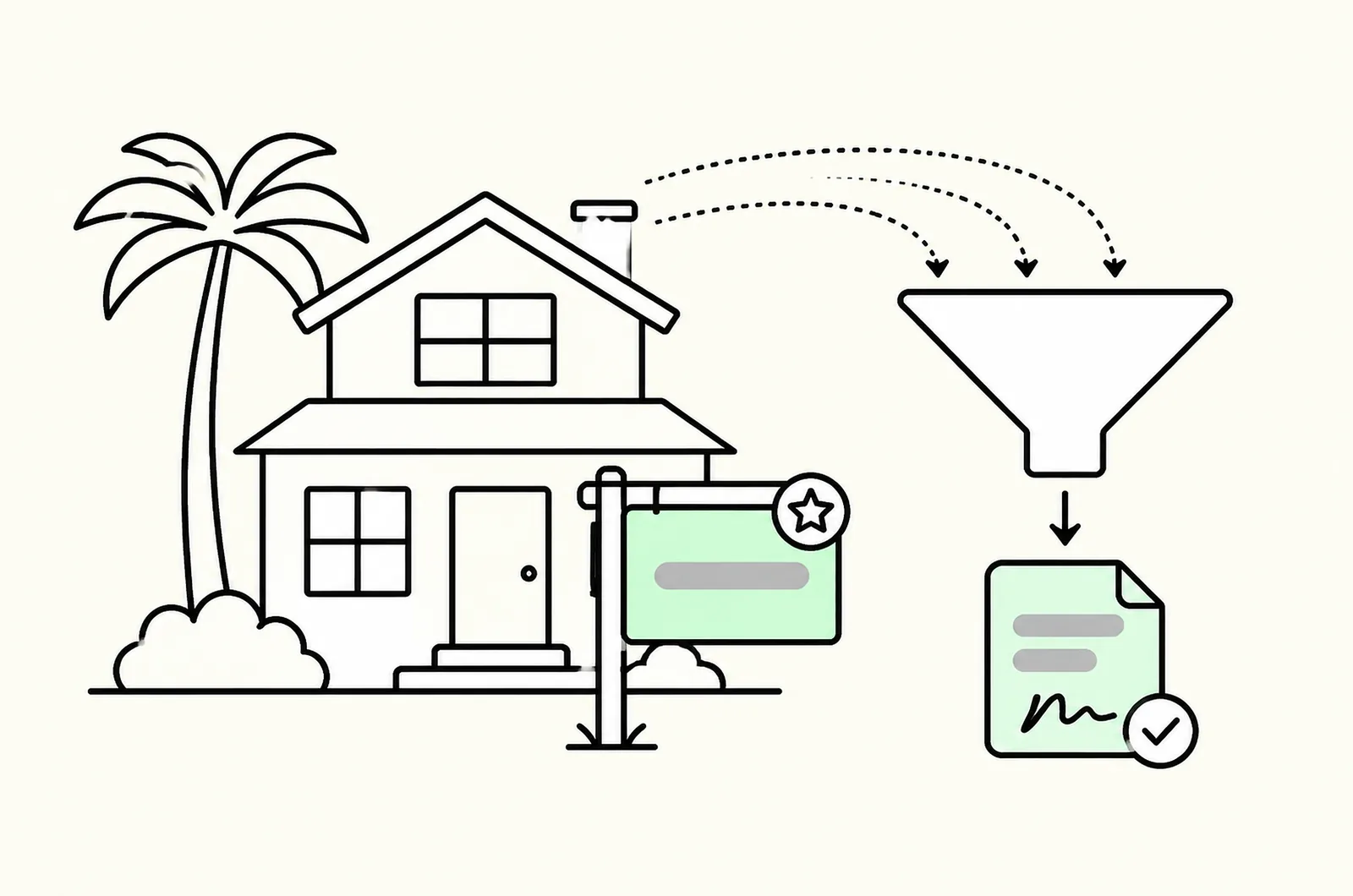
Since 1 July 2024, an advertised hotel rate shown to Californians must include mandatory resort, destination and amenity fees; only government taxes and shipping can be added later. Restaurants won an exemption (SB 1524) for service charges, but only if they're clearly and conspicuously disclosed on the menu or ad. Metasearch feeds, ads and booking engines all have to match.
Every destination has its own season, and its own competitors
Napa sells harvest and crush, Palm Springs sells winter sun, San Diego sells summer, and Lake Tahoe sells both ski season and lake season. Each has its own wave of competing properties bidding at the same moment. A single statewide campaign spends at the wrong time in most of them and runs out of budget when it counts.
Eight workstreams, one direct-revenue report
Direct-booking search and brand protection
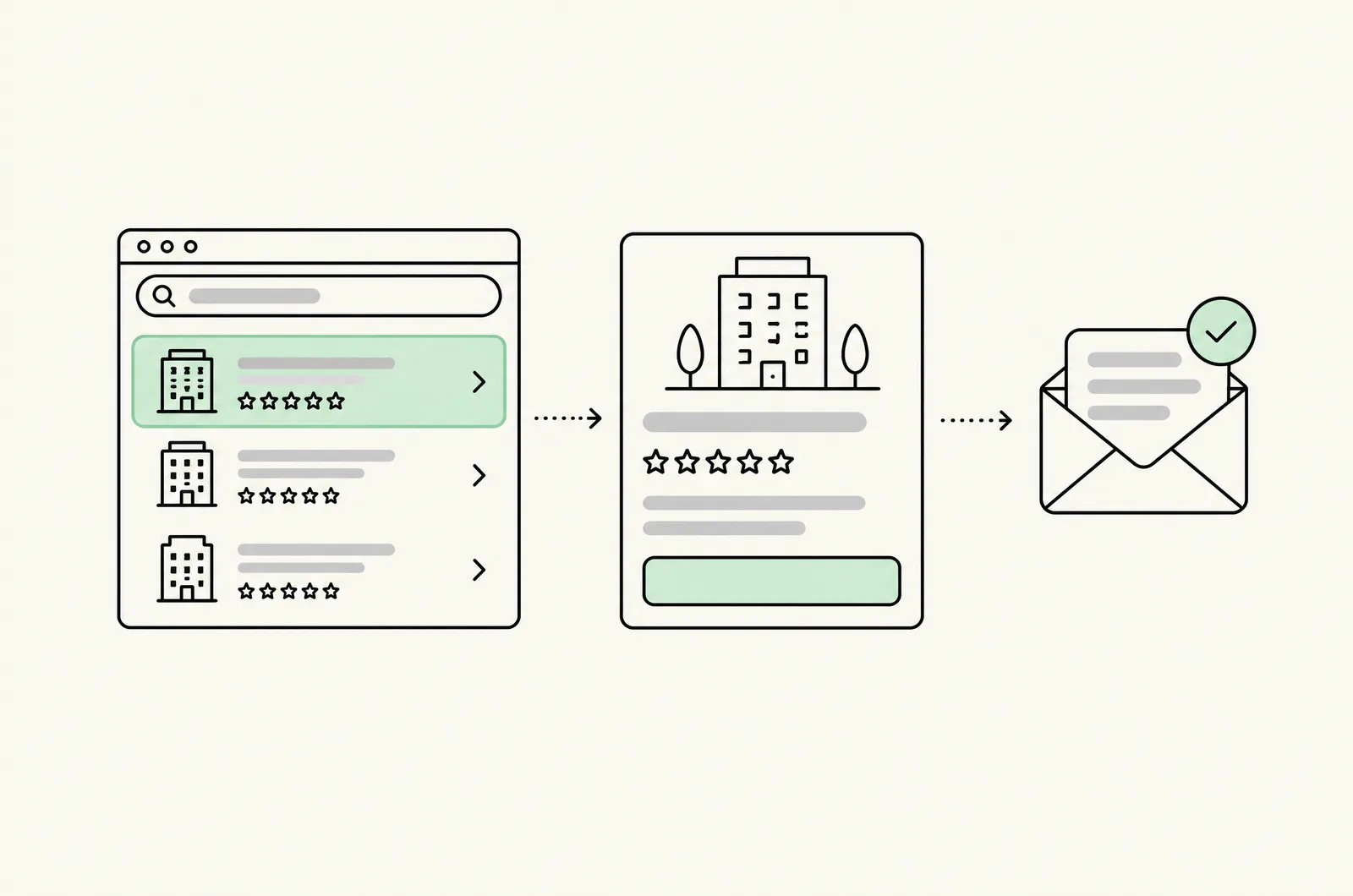
Brand and destination search campaigns that win back guests who'd otherwise book through an OTA. Without them, OTAs bid on your own name and charge you commission for guests who were already looking for you.
Metasearch: Google Hotel Ads and beyond
Rate feeds and bidding on Google Hotel Ads, Tripadvisor and Trivago with all-in rates that comply with SB 478. A rate shown without mandatory fees is now a legal problem as well as a trust problem.
Seasonal paid social by destination
Meta and TikTok campaigns built around each destination's calendar and feeder markets, such as Bay Area weekenders for Napa or LA drive-markets for Palm Springs. Spend out of season and you're buying cheap attention that never books.
Local SEO, maps and review management
Google Business Profile, menus, attributes and review responses for every location. In LA and San Francisco, the map pack for 'restaurant near me' is among the most contested in the country.
Email and CRM for past guests
Segmented email and SMS to past guests and diners, timed to their own booking windows. Your cheapest booking is a repeat guest, and most properties only email them for newsletters.
Events, groups and private dining
Lead generation for weddings, corporate groups, buyouts and private dining, with fast response and proposal tracking. Group revenue is high-margin and usually under-marketed.
Fee and pricing compliance across channels
Audit of ads, menus, metasearch feeds and booking engines for SB 478 and SB 1524 disclosure. One feed that drops a resort fee can create liability across every channel that shows it.
Direct-revenue reporting
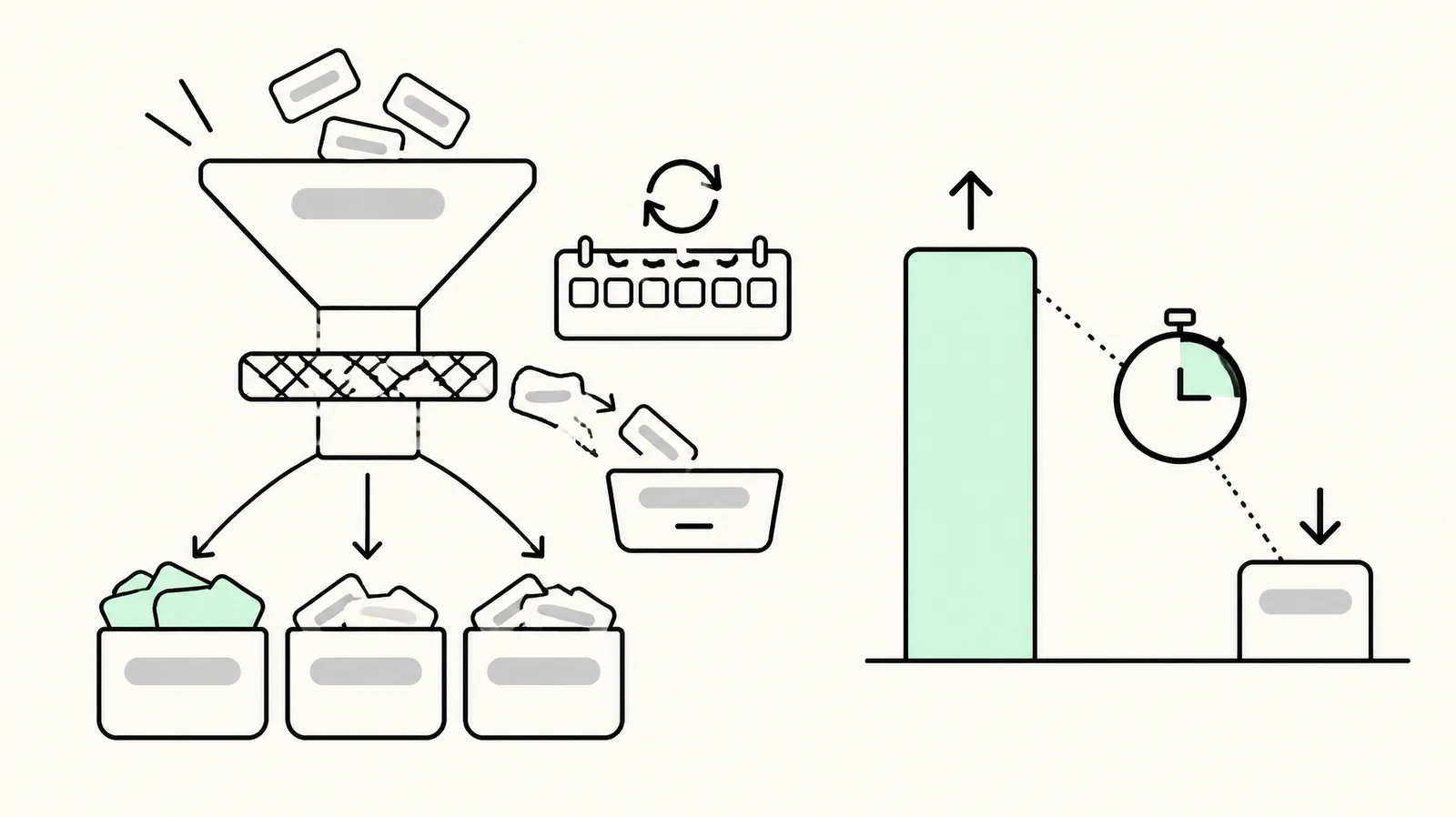
Revenue by channel, net of OTA and platform commission, tied to your PMS or reservation system. ROAS reported by the ad platforms leaves out the commission you avoided, which is the point.
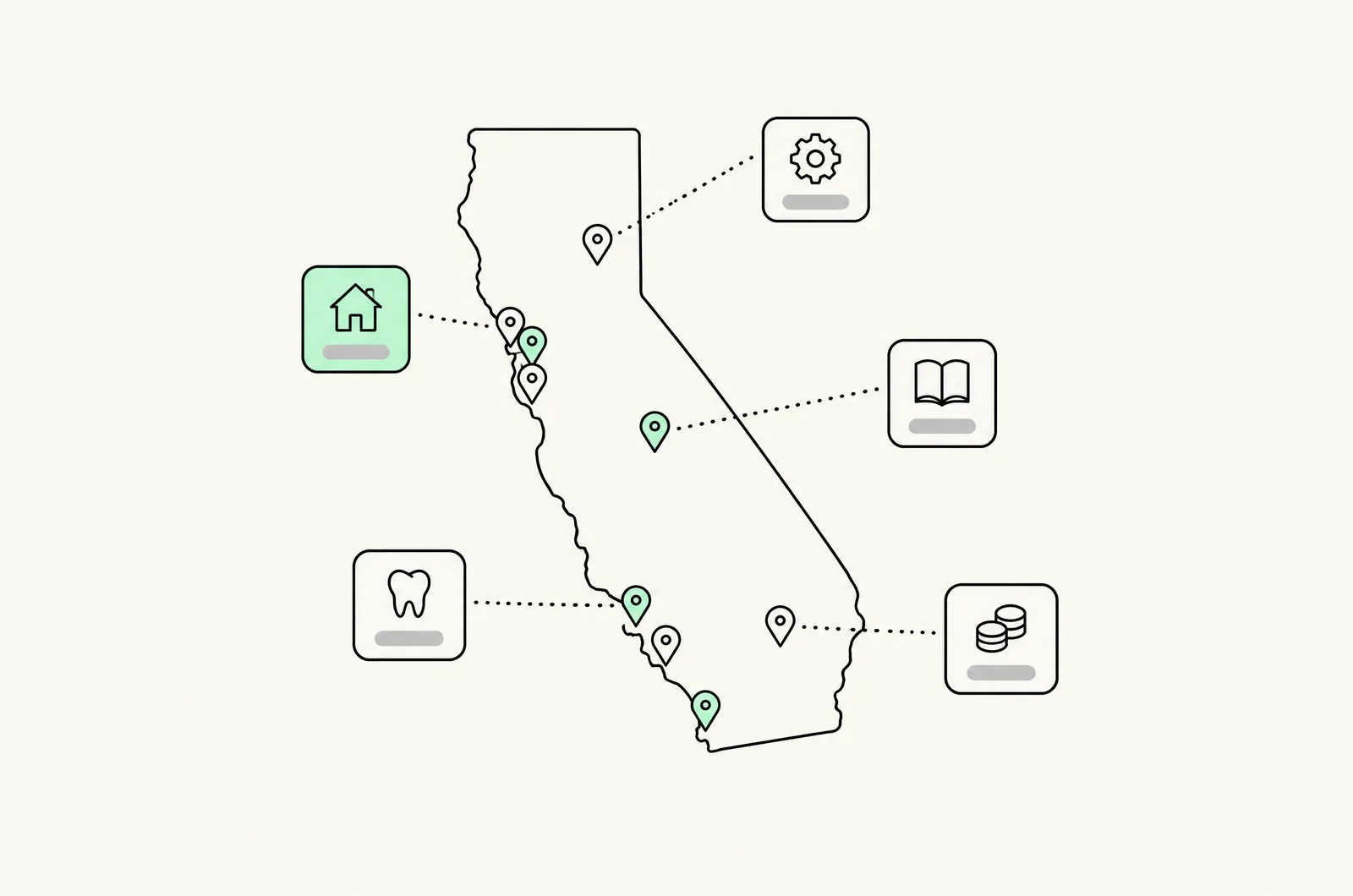
Seven destinations, seven different calendars
What drives demand in each destination, and when to spend.

San Francisco
Convention and business travel drive midweek demand, and the convention calendar sets the city's busiest and emptiest weeks. Weekend leisure campaigns aimed at in-state drive markets fill the gaps conventions leave.
Los Angeles
The state's largest visitor market, spread across Hollywood, the Westside, downtown and the beach cities. Restaurant competition for the map pack is intense, and neighbourhood-level SEO matters more than city-level.
San Diego
A summer-peaking family and convention market with a strong military-visitor segment. Shoulder-season campaigns to Arizona and Inland Empire drive markets keep occupancy up from autumn to spring.
Napa & Sonoma
Wine country runs on harvest in late summer and autumn, weekend visitors from the Bay Area, and high spend per guest. Tasting-room reservations and wine club sign-ups are the conversions that matter.
Palm Springs & the Coachella Valley
A winter season roughly from October to April, plus festival weekends that sell out months ahead. Summer is a value season aimed at in-state drive markets, with very different messaging.
Monterey & Carmel
Monterey County travel spending reached a record $3.3 billion. Golf, the aquarium and Big Sur draw high-income visitors who plan ahead and book direct when you give them a reason to.
Lake Tahoe
Two seasons, ski and lake, with different guests and different feeder markets. Snow conditions move winter demand week to week, so budgets have to be able to flex fast.
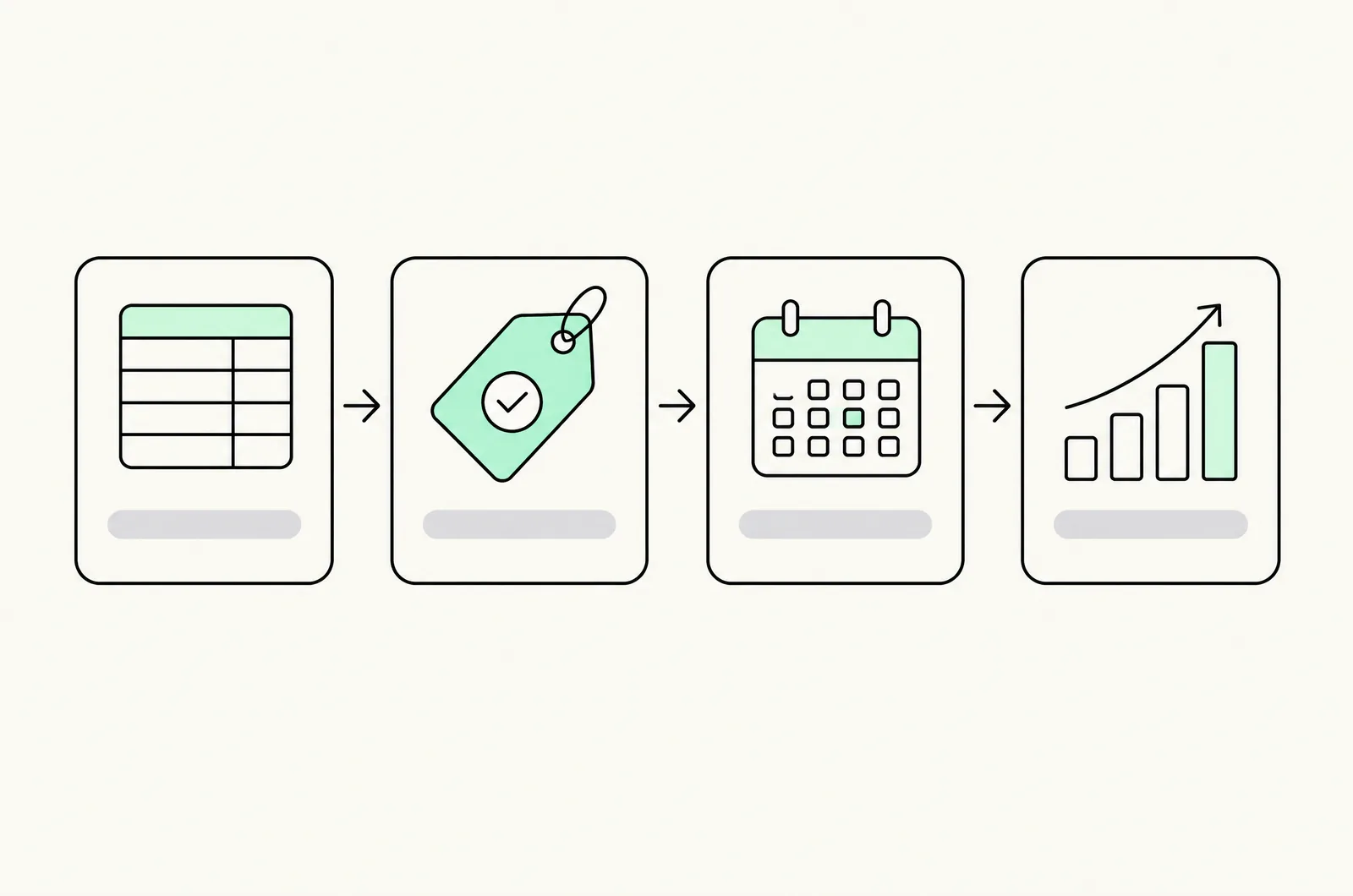
From commission audit to direct revenue
- Step 01
Channel and commission audit
We pull 12 months of bookings or covers by channel from your PMS or reservation system, then price each channel net of commission.
- Step 02
Pricing compliance pass
Ads, metasearch feeds, booking engines and menus checked for SB 478 all-in rates and SB 1524 service-charge disclosure.
- Step 03
Build the direct engine
Brand protection, metasearch, seasonal social by feeder market, local SEO and past-guest CRM, scheduled to your destination's calendar.
- Step 04
Report on direct revenue
Monthly direct revenue, share of bookings by channel and commission avoided. Budget follows the season and the channels that book direct.
A California hospitality agency, an out-of-state agency or an in-house marketer
In-house costs are directional and depend on seniority and metro.
SB 478 all-in rates and SB 1524 menu disclosure
- Out-of-state agency
- Rarely checked
- In-house California hire
- Depends on the hire
- Conversion (San Francisco)
- Yes
Plans by destination season and feeder market
- Out-of-state agency
- Year-round flat budget
- In-house California hire
- Limited bandwidth
- Conversion (San Francisco)
- Yes
Metasearch with compliant rate feeds
- Out-of-state agency
- Often outsourced
- In-house California hire
- Rarely
- Conversion (San Francisco)
- Yes
Reports revenue net of OTA commission
- Out-of-state agency
- Platform ROAS
- In-house California hire
- Varies
- Conversion (San Francisco)
- Yes
Search, social, local SEO and CRM in one team
- Out-of-state agency
- Usually one channel
- In-house California hire
- Several hires
- Conversion (San Francisco)
- Yes
Typical monthly cost
- Out-of-state agency
- $2,500–$10,000 fee
- In-house California hire
- $9,000+ fully loaded (directional)
- Conversion (San Francisco)
- From $4,500 fee
Brand defence, honestly labelled
- Brand search · national
95%
Brand search impression share
NP Digital: owning your own name in search
This isn't a hotel or a California client. The relevant part is brand defence. NP Digital's brand campaigns held 95% of search impression share, which is what stops OTAs from intercepting guests who search for your property by name. That's often the fastest win in hospitality.
Where hospitality splits into different businesses
These businesses sell to different guests on different terms, so each gets its own plan.
- Live
Boutique & independent hotels
Competing with brand loyalty programmes and OTAs from a single property: direct booking, metasearch and a story worth booking for.
- Live
Restaurant groups
Multi-location groups in LA and the Bay Area: reservations, private dining, delivery margin and SB 1524 service-charge disclosure.
- Live
Wineries & tasting rooms
Napa, Sonoma, Paso Robles and Temecula: tasting-room reservations, wine club growth and direct-to-consumer shipping.
What hospitality marketing costs in California
USD, excluding media. Fees are the same in every destination; media budgets follow the season.

Single property
From $4,500/mo
One hotel, venue or restaurant
Brand protection, metasearch or seasonal social, local SEO and the pricing compliance pass for one property. Media is separate.
- Brand search defence
- SB 478 feed audit
- Direct-revenue report
- Most popular
Group program
$9,000–$18,000/mo
Multi-property · multi-destination
Every property planned by its own season and feeder markets, with group-level CRM, events lead generation and reporting.
- Per-destination calendars
- Past-guest CRM
- Events and groups leads
Pay-on-results
Base + share
Qualifying groups
A lower base plus a share of incremental direct revenue, net of commission avoided, against an agreed baseline.
- Baseline agreed up front
- Paid on direct revenue
- Same monthly report
Hospitality marketing questions

What does a hospitality marketing agency in California do?
Do California hotels have to include resort fees in advertised rates?
Can California restaurants still add a service charge?
How do you reduce dependence on OTAs?
When should California properties spend most of their budget?
Does California travel demand look healthy?
How much does hospitality marketing cost in California?
Do you manage reviews and Google Business Profiles?
Should a California hotel hire an in-house marketer instead?
More from the San Francisco team
California digital marketing hub
All nine California verticals, the state rulebook and the metros we plan for.ExploreBoutique hotel marketing
Direct booking for independent hotels competing with brands and OTAs.ExploreInterior design marketing in California
A sibling vertical: portfolios, referrals and high-ticket projects.ExploreReal estate marketing in California
A sibling vertical: listings and closings under DRE rules.ExploreNP Digital case study
Brand search held at 95% impression share while conversions rose 388%.ExploreMeta ads agency
The paid social discipline behind seasonal destination campaigns.Explore


Sources and statutes
Every figure and regulation cited on this page.
Facts and thresholds last checked 19 November 2026.
- CalChamber Alert — California travel industry continues as economic mainstay (Visit California / Dean Runyan 2025 report)2025 travel spending $158.9 billion (+1.7%); lodging $35.2 billion; food service $38.5 billion; international visitor spending down about $1 billion to $25 billion.
- JMBM Hotel Law — Final California junk-fee laws effective with restaurant exemption (SB 478 and SB 1524)From 1 July 2024 hotels must include mandatory resort fees in the advertised rate; restaurants may list service charges separately if clearly and conspicuously disclosed (SB 1524).
- California Attorney General — SB 478 hidden fees (Honest Pricing Law) FAQ
- See Monterey — Monterey County tourism reaches a record $3.3 billion
- CalChamber — California 2026 minimum wage increases to $16.90 per hourExempt salary floor = 2 × $16.90 × 2,080 = $70,304 a year from 1 January 2026.
Get a direct-revenue audit
30 minutes with a senior strategist. Bring a year of bookings or covers by channel if you can.
What happens next
- 1Pick a time for a 30-minute call.
- 2We review channels, commission and pricing compliance.
- 3You leave with a plan measured on direct revenue.
Prefer email? tarun@conversion.is