Restaurant groups
Restaurant group marketing, location by location
More covers and direct orders for California restaurant groups, with service charges disclosed everywhere prices appear.
Trusted by 50+ D2C brands · Google, Meta & Shopify partners










A service charge that has to be everywhere
San Francisco, CA
Groups statewide
SB 1524-ready
Service charges disclosed
Covers and direct orders
Not followers
Since 1 July 2024, a California restaurant can add a service charge or mandatory gratuity only if it's clearly and conspicuously disclosed on the menu, ad or display where the price appears. That's the restaurant exemption, SB 1524, to the state's all-in pricing law. Groups that add a 20% charge in small print on the bill but not on Instagram menus, delivery listings or online ordering are breaking the condition that makes the exemption work.
Margins make every channel decision matter. Labour costs are high: fast-food chain workers have earned at least $20 an hour since April 2024 under AB 1228, and many city minimum wages sit above the state's. Third-party delivery and reservation apps take a share of each order. A group that moves even a slice of its orders and bookings to its own channels keeps money it can't otherwise find.
We work with restaurant groups as part of hospitality marketing in California, from the San Francisco team. The work is location-level demand, direct ordering, private dining and guest CRM, measured on covers and direct revenue.
Three places restaurant margin goes
Each one costs money in a state where labour already costs more.
Service-charge disclosure is inconsistent
SB 1524 lets restaurants keep a separate service charge only if it's clearly shown wherever prices appear. Groups often update the printed menu but not online menus, Google listings, delivery apps or social posts. Every channel showing prices needs the same disclosure.
Third-party apps own the guest
Delivery and reservation platforms bring orders and bookings but keep the guest data and take a share of revenue. Without your own ordering, booking and CRM, you can't reach regulars directly. California labour costs leave little room for that commission.
Each location has its own slow nights
A downtown LA location is quiet on weekends; a Palo Alto one is quiet on Mondays. Group-wide promotions miss both. Location-level local SEO, social and offers aimed at each site's slow periods fill seats without discounting busy nights.
Six pieces of work, listing to loyalty
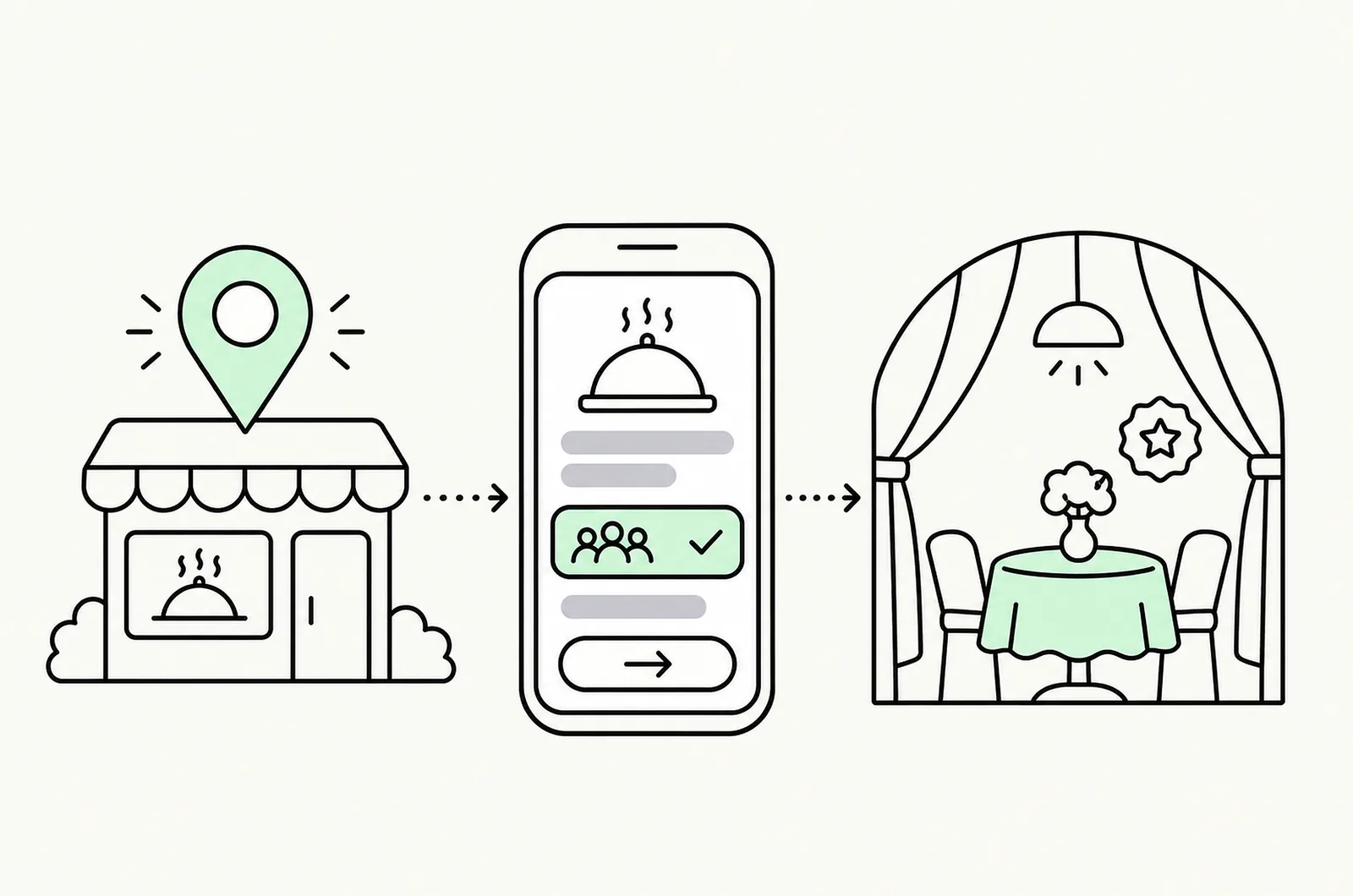
Location-level local SEO
Google Business Profiles, menus, photos and review responses for every location, with SB 1524 disclosures on online menus.
Direct ordering and reservations
Your own online ordering and booking, promoted on Google, Instagram and to regulars, with incentives to order direct.
Social and creators
Instagram and TikTok content for each concept, plus local creator visits that drive bookings, not just views.
Private dining and events
Lead generation and fast follow-up for private dining, buyouts and catering, often a group's highest-margin revenue.
Guest CRM and loyalty
Email, SMS and loyalty programmes built from your own guest data, timed to each location's slow periods.
Covers and direct-revenue reporting
Covers, direct orders, private-dining revenue and third-party share by location and source.
Five dining markets, five kinds of diner
Where California's restaurant groups compete, and what fills tables.
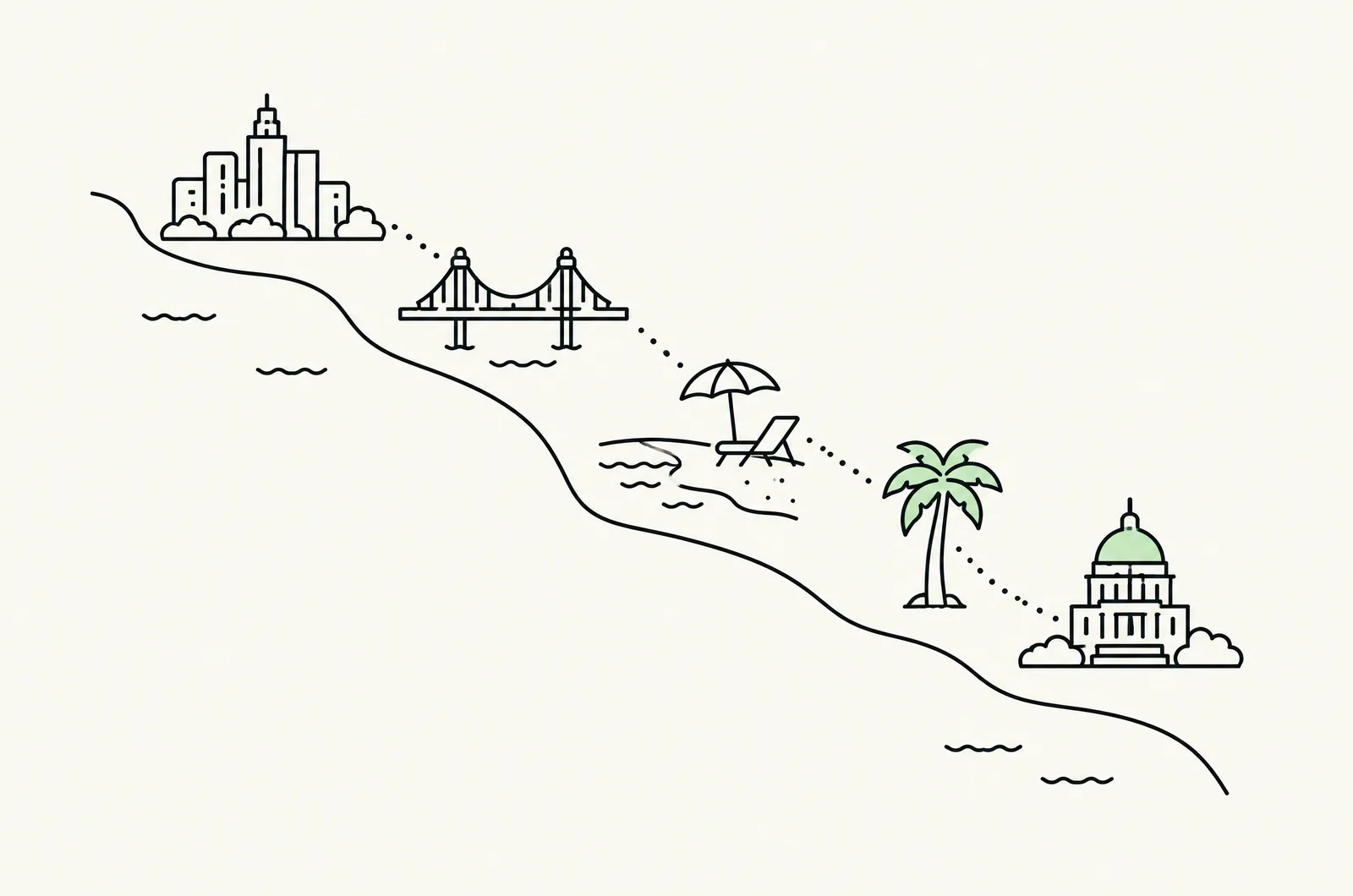
Los Angeles
The country's most competitive restaurant scene, with intense map-pack and social competition. Neighbourhood-level SEO and creator content decide discovery.
San Francisco & the Peninsula
High labour costs and office-driven weekday demand downtown. Private dining, corporate events and weekend leisure campaigns balance the week.
Orange County
Family dining, brunch and coastal destinations. Loyalty programmes and weekend promotions perform well.
San Diego
Tourism-driven summer peaks and a strong local base. Off-season campaigns to locals keep tables full.
Sacramento
A farm-to-fork dining identity, state-government lunch traffic and growing suburbs. Local sourcing stories resonate.
From channel audit to covers and direct orders
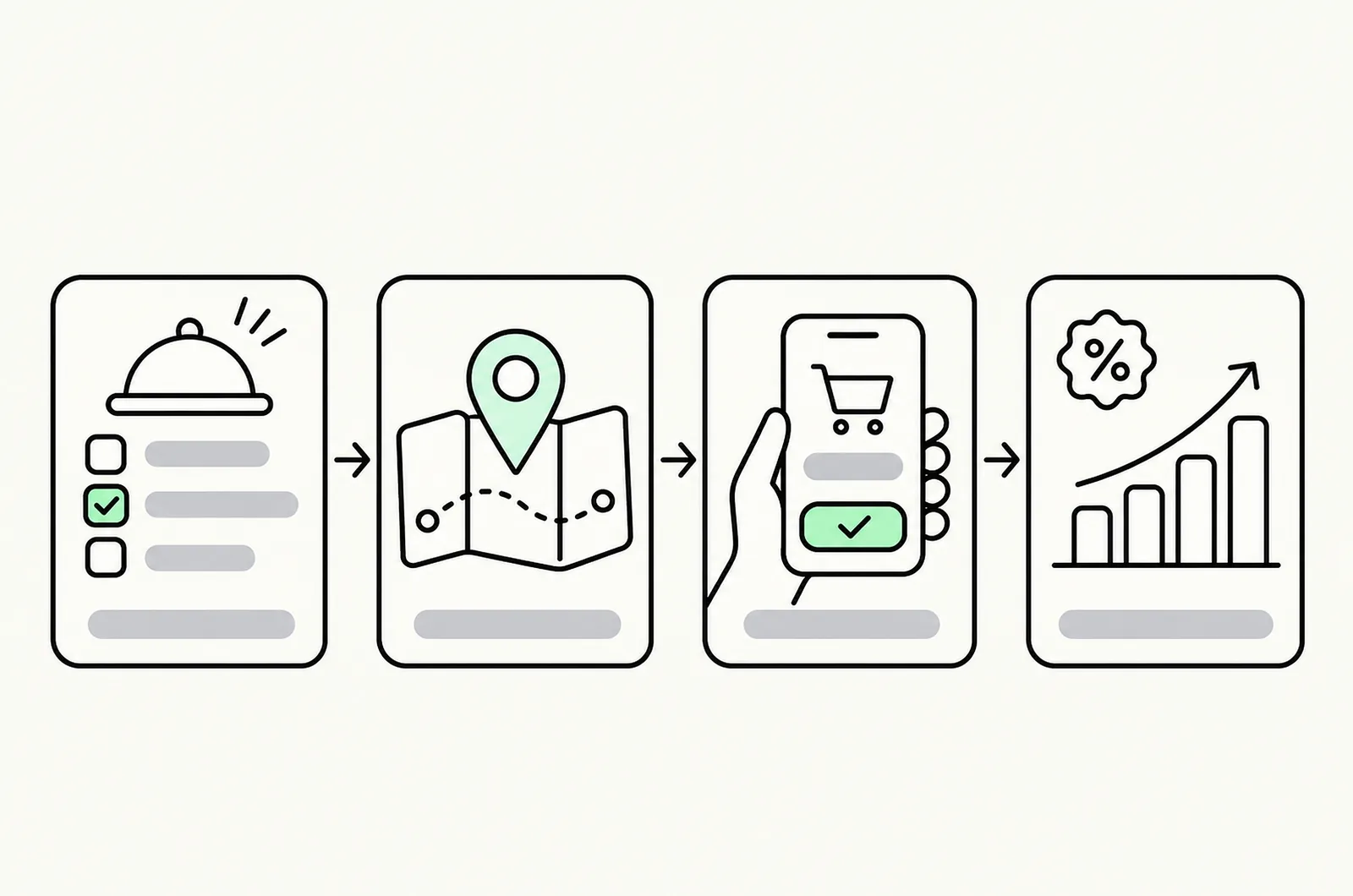
- Step 01
Channel and disclosure audit
Orders and bookings by channel, third-party share, and SB 1524 disclosure checked on every menu and listing.
- Step 02
Fix the listings
Consistent menus, disclosures, photos and profiles for every location across Google, delivery apps and social.
- Step 03
Build direct demand
Direct ordering and booking, location-level social and CRM, and private-dining lead generation.
- Step 04
Report covers and direct revenue
Monthly covers, direct orders and third-party share by location.
A restaurant specialist vs a social agency vs an in-house marketer
In-house costs are directional and depend on seniority and metro.
SB 1524 disclosure on every menu and listing
- Social-only agency
- Rarely checked
- In-house California hire
- Varies
- Conversion (San Francisco)
- Yes
Plans by location's slow periods
- Social-only agency
- Group-wide promos
- In-house California hire
- Manager-led
- Conversion (San Francisco)
- Yes
Direct ordering and guest CRM
- Social-only agency
- Social posts only
- In-house California hire
- Varies
- Conversion (San Francisco)
- Yes
Private-dining lead generation
- Social-only agency
- No
- In-house California hire
- Events manager
- Conversion (San Francisco)
- Yes
Reports covers and direct revenue
- Social-only agency
- Followers and reach
- In-house California hire
- POS reports
- Conversion (San Francisco)
- Yes
Typical cost
- Social-only agency
- $1,000–$5,000/mo
- In-house California hire
- $7,500+ per marketer (directional)
- Conversion (San Francisco)
- From $1,500/location/mo
New diners, honestly compared
- Consumer brand · national
$8.5M
Gross sales, +37% YoY
Actively Black: social that brings new customers
Actively Black is an apparel brand, not a restaurant group or a California client, and we have no published restaurant result. What carries over is social creative aimed at new customers rather than existing followers, which grew gross sales 37%. Restaurant groups face the same choice between reaching new diners and re-reaching regulars.
What restaurant marketing costs in California
USD, excluding media and creator fees.
Per location
From $1,500/mo
Per location · minimum 3
Local SEO, listings and SB 1524 disclosure management, and location-level reporting. Media is separate.
- Local SEO per location
- SB 1524 disclosure checks
- Covers report
- Most popular
Group program
$8,000–$18,000/mo
Whole group
Everything per location, plus direct ordering, social and creators, private-dining lead generation and guest CRM.
- Direct ordering push
- Private-dining leads
- Guest CRM and loyalty
Pay-on-results
Base + share
Qualifying groups
A lower base plus a share of incremental direct revenue above an agreed baseline.
- Baseline agreed up front
- Paid on direct revenue
- Same reporting
Restaurant group marketing questions
Can California restaurants add a service charge?
How do restaurant groups reduce dependence on delivery apps?
How should multi-location groups plan marketing?
Is private dining worth marketing?
Which California dining markets do you work in?
How much does restaurant group marketing cost?
Do restaurant ads need to show prices including fees?
How do you measure restaurant marketing?
Related California pages
Sources and statutes
Every figure and regulation cited on this page.
Facts and thresholds last checked 19 November 2026.
- JMBM Hotel Law — Final California junk-fee laws effective with restaurant exemption (SB 478 and SB 1524)From 1 July 2024 hotels must include mandatory resort fees in the advertised rate; restaurants may list service charges separately if clearly and conspicuously disclosed (SB 1524).
- CalChamber — California fast-food minimum wage FAQs (AB 1228)$20 an hour from 1 April 2024 for employees of national fast-food chains; the Fast Food Council may raise it annually.
- CalChamber — California 2026 minimum wage increases to $16.90 per hourExempt salary floor = 2 × $16.90 × 2,080 = $70,304 a year from 1 January 2026.
Fill your slow nights
30 minutes with a senior strategist. Bring covers and orders by channel if you have them.
What happens next
- 1Pick a time for a 30-minute call.
- 2We review listings, disclosures and channels.
- 3Get a location-by-location plan.
Prefer email? tarun@conversion.is