Wineries & tasting rooms
Winery marketing that keeps wine club members
Tasting reservations, wine club members and direct sales for California wineries, with club sign-ups built to the Automatic Renewal Law.
Trusted by 50+ D2C brands · Google, Meta & Shopify partners









Every wine club is an automatic renewal
San Francisco, CA
Wine regions statewide
ARL-compliant clubs
Consent + online cancel
Members and retention
Not likes
A wine club is an automatic renewal, and California treats it like one. The Wine Institute reminds members that clubs fall under the Automatic Renewal Law, the ABC has issued an advisory on club renewals, and district attorneys have obtained judgments against club sellers. Since the 2025 amendments, members must give separate consent to renewing charges and be able to cancel online, the same way they joined.
For most wineries, the club is the business. Tasting-room visitors who join become the most profitable customers, buying several shipments a year at full price. The marketing job is to fill reservations with the right visitors, turn more of them into members, keep members longer and sell direct between shipments. In Napa Valley alone, about 475 physical wineries compete for the same visitors.
We work with wineries as part of hospitality marketing in California, from our California agency in San Francisco. The work is reservations, club growth and retention, and direct sales, measured on members, retention and DTC revenue.
Three ways wineries lose club members
Each one costs the winery's most profitable customers.
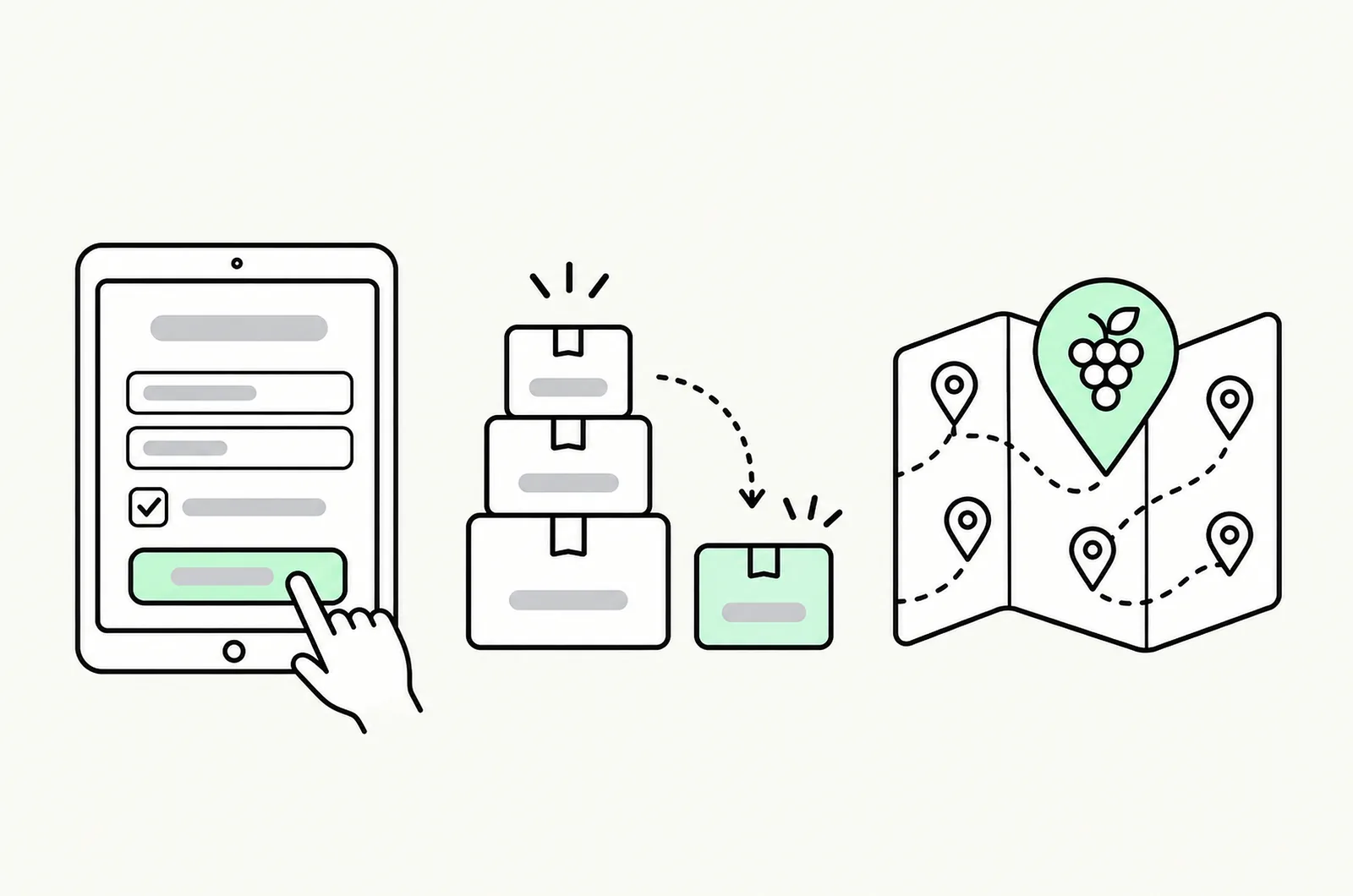
Club sign-ups that don't comply
Wine club sign-ups on tablets in the tasting room, at events and online often skip clear renewal terms, separate consent or online cancellation. Under the Automatic Renewal Law and the 2025 amendments, that exposes wineries to complaints and enforcement, and members who feel trapped cancel faster and tell friends.
Members leave after a few shipments
Many members join on a good day in the tasting room and leave after a few shipments. Without regular contact between shipments, such as winemaker updates, member events and early releases, the club feels like a bill. Retention is where most club revenue is won or lost.
Visitors book elsewhere
Visitors plan wine-country days around a few reservations, often booked through third-party platforms or concierges. Wineries without strong local search, clear tasting options and easy online booking lose visits to neighbours that appear first.
Six pieces of work, visit to member
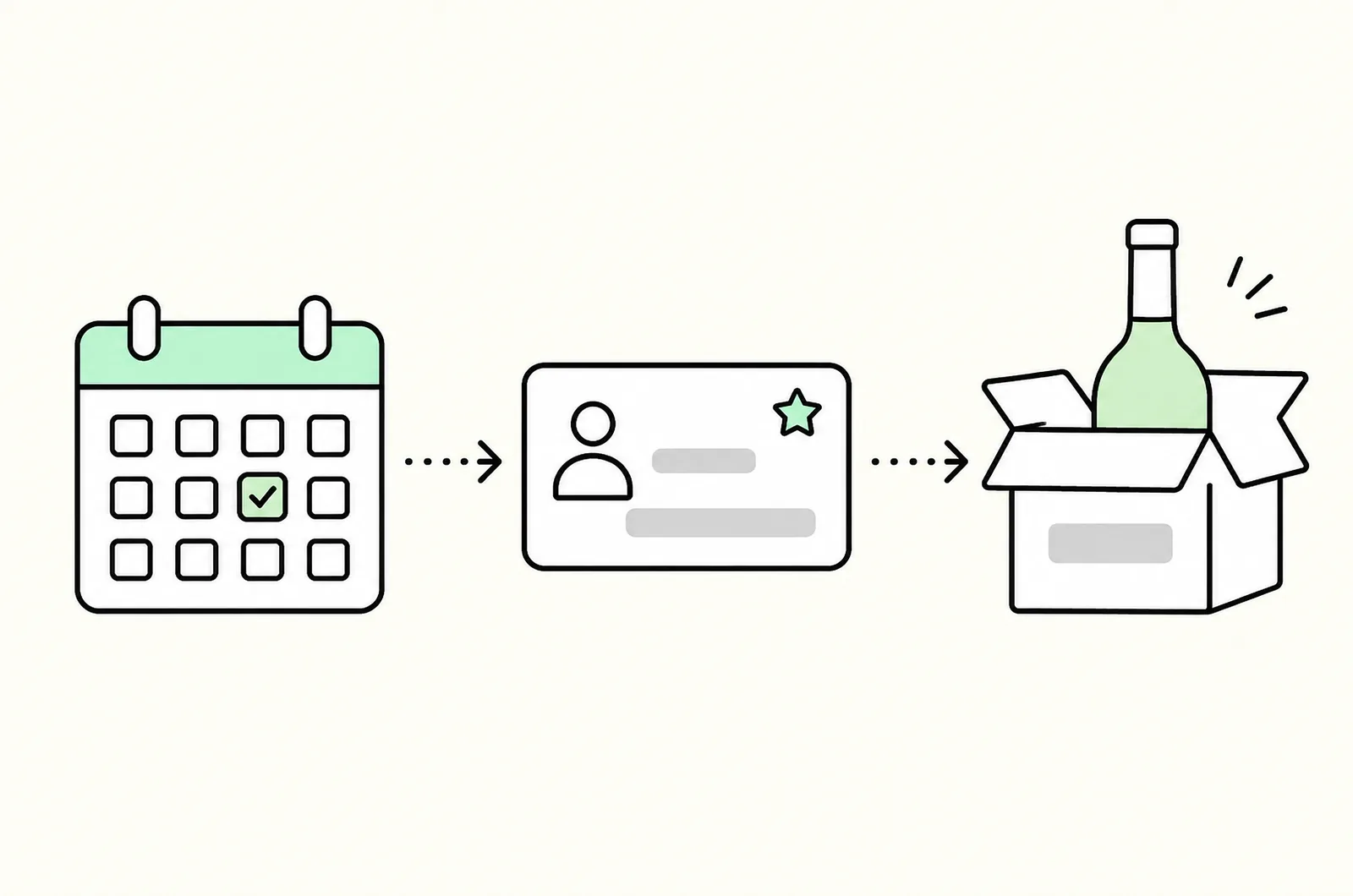
Tasting reservations
Local search, Google Business Profiles and booking flows that fill reservations with visitors likely to join.
ARL-compliant club sign-up
Club sign-up flows online and in the tasting room with clear renewal terms, separate consent and online cancellation.
Club retention programmes
Email and SMS between shipments, member events, early releases and win-back offers for lapsed members.
DTC email and ecommerce
Direct sales campaigns, allocation releases and ecommerce CRO, with age verification and shipping rules handled.
Social and content
Vineyard, winemaking and food content for Instagram and email, aimed at members and visitors, with alcohol-advertising rules respected.
Members and DTC reporting
New members, retention, member lifetime value and DTC revenue by source.
Five wine regions, five kinds of visitor
Where California wine is made, and who visits.
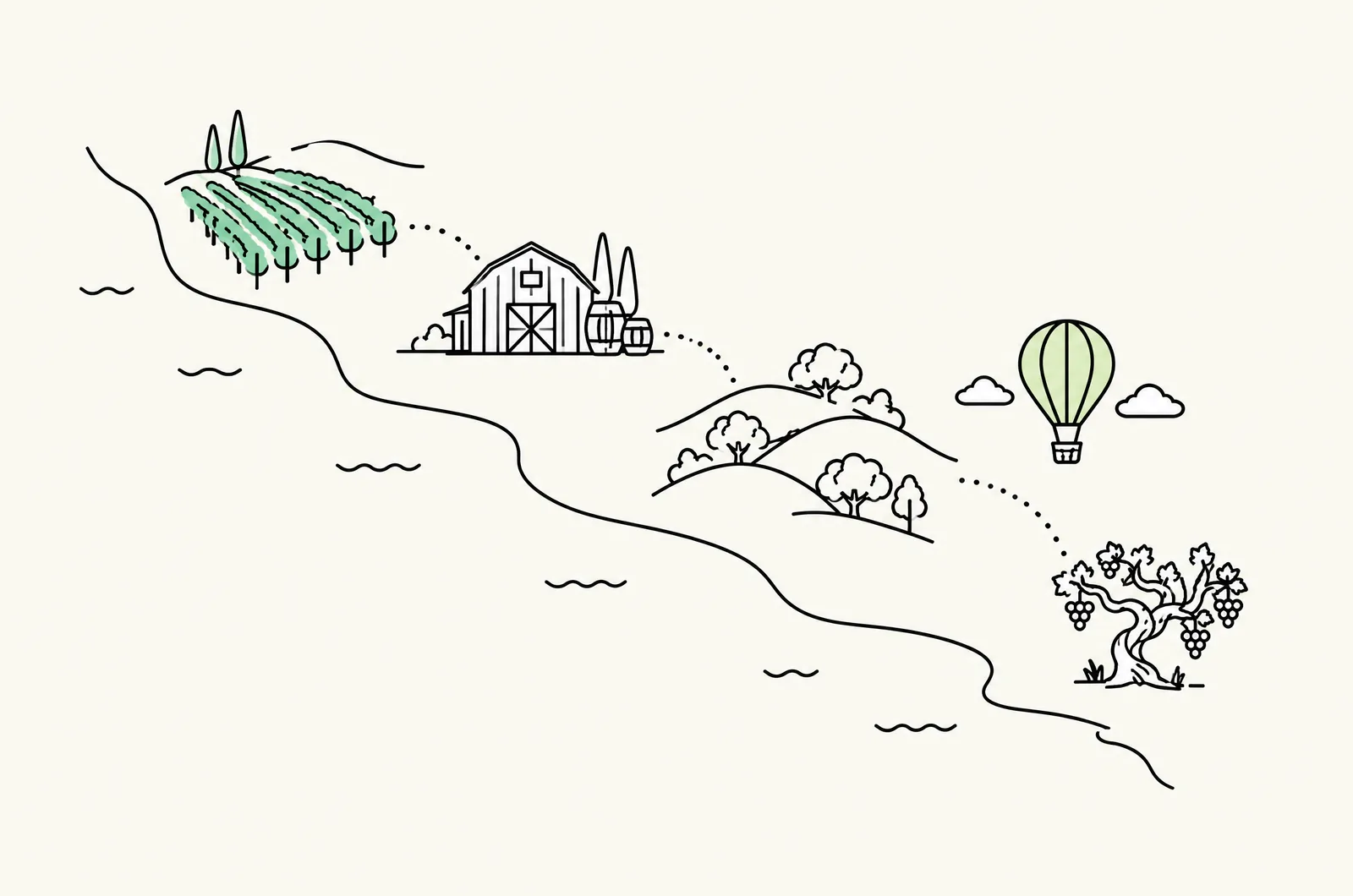
Napa Valley
Around 475 physical wineries and high spend per visit. Reservations and experience quality decide club conversion, and competition for visitors is intense.
Sonoma County
More than 425 wineries, many family-owned, across varied sub-regions. Relaxed, personal experiences and strong club communities stand out.
Paso Robles
A fast-growing region with many small wineries and visitors from LA and the Bay Area. Value and discovery are part of its appeal.
Temecula Valley
Southern California's main wine region, close to LA, Orange County and San Diego. Tourism there generates about $1.2 billion in economic impact, and events and weddings are significant.
Santa Barbara & Lodi
Santa Barbara's coastal wineries draw LA weekenders; Lodi offers value and old-vine Zinfandel to Central Valley and Bay Area visitors.
From club audit to members and DTC
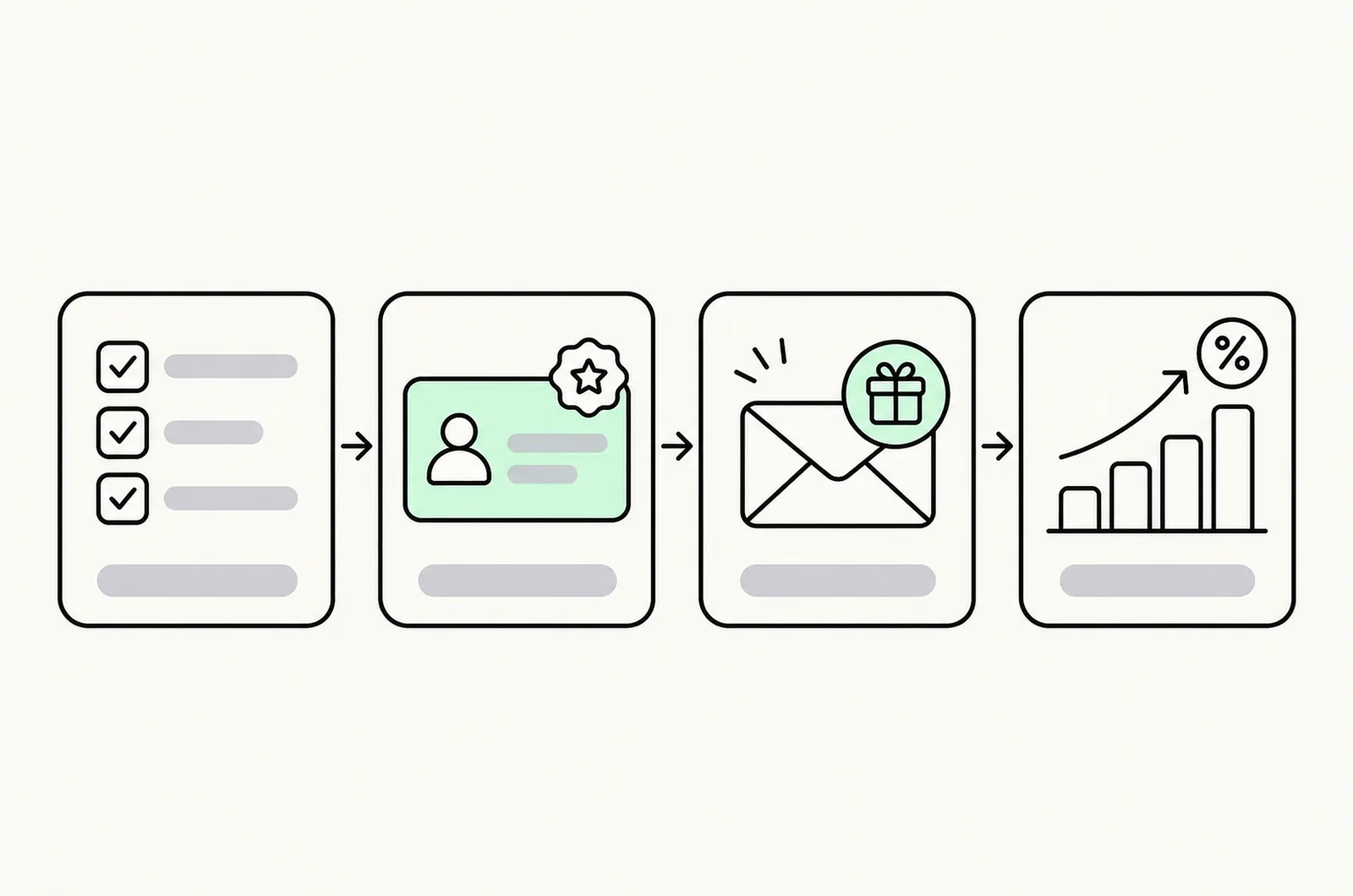
- Step 01
Club and compliance audit
Sign-up flows, renewal terms and cancellation checked against the ARL, plus club retention and DTC data.
- Step 02
Fix sign-up and booking
Compliant club sign-up everywhere, and reservation flows and local search that fill the tasting room.
- Step 03
Retain and sell direct
Retention programmes between shipments, DTC campaigns and allocation releases.
- Step 04
Report members and DTC
Monthly new members, retention, lifetime value and DTC revenue by source.
A winery specialist vs a hospitality agency vs an in-house marketer
In-house costs are directional and depend on seniority and metro.
ARL-compliant club sign-up and cancellation
- General hospitality agency
- Rarely checked
- In-house California hire
- Varies
- Conversion (San Francisco)
- Yes
Club retention between shipments
- General hospitality agency
- Shipment emails only
- In-house California hire
- Club manager
- Conversion (San Francisco)
- Yes
Local search and reservation flows
- General hospitality agency
- Social only
- In-house California hire
- Varies
- Conversion (San Francisco)
- Yes
DTC ecommerce and allocation releases
- General hospitality agency
- Separate vendor
- In-house California hire
- DTC team
- Conversion (San Francisco)
- Yes
Reports members, retention and DTC revenue
- General hospitality agency
- Followers
- In-house California hire
- POS reports
- Conversion (San Francisco)
- Yes
Typical monthly cost
- General hospitality agency
- $2,000–$7,000 fee
- In-house California hire
- $7,500+ per marketer (directional)
- Conversion (San Francisco)
- From $3,500 fee
DTC growth, honestly compared
- DTC brand · national
+37%
Gross sales, year on year
Actively Black: DTC growth beyond the existing base
Actively Black is an apparel brand, not a winery or a California client, and we have no published winery result. What carries over is direct-to-consumer growth from new customers, which lifted gross sales 37% while returns stayed low. Wineries need new members as well as loyal ones.
What winery marketing costs in California
USD, excluding media and event costs.
Winery foundation
From $3,500/mo
One winery
Club and compliance audit, compliant sign-up flows, local search and reservations, and member reporting. Media is separate.
- ARL club review
- Reservation flows
- Members report
- Most popular
DTC growth
$6,000–$12,000/mo
One or more wineries
Everything in the foundation, plus club retention, DTC email and ecommerce, allocation releases and social content.
- Retention programme
- DTC email
- Allocation releases
Pay-on-results
Base + share
Qualifying wineries
A lower base plus a share of incremental DTC revenue above an agreed baseline, structured to comply with alcohol trade-practice rules.
- Baseline agreed up front
- Paid on DTC revenue
- Compliance-reviewed terms
Winery marketing questions

Does California's Automatic Renewal Law apply to wine clubs?
How do wineries grow wine club membership?
How do wineries keep wine club members longer?
How do wineries get more tasting reservations?
Which California wine regions do you work in?
How much does winery marketing cost?
Are there special rules for advertising wine in California?
How do you measure winery marketing?
Sources and statutes
Every figure and regulation cited on this page.
Facts and thresholds last checked 19 November 2026.
- Wine Institute — California's Automatic Renewal Law: what wineries need to knowThe ARL (B&P Code §17600 et seq.) applies to wine clubs; ABC has issued an industry advisory, and district attorneys have obtained judgments against club sellers.
- California ABC — Wine, beer and spirits club renewals advisory
- Davis Wright Tremaine — AB 2863 updates California's Automatic Renewal LawFrom 1 July 2025: separate express consent to auto-renewal, click-to-cancel in the same medium, annual reminders, notice before promotional pricing ends.
- Napa Valley Vintners — Napa Valley fast factsRoughly 475 physical wineries in Napa County.
- Vinetur — Sonoma County preserves family-owned wineries (2025)Sonoma County has more than 425 wineries, most of them family-owned.
- Wine Industry Advisor — Temecula Valley tourism delivers $1.2 billion in economic impact
Grow your club the compliant way
30 minutes with a senior strategist. Bring club size, retention and sign-up sources if you have them.
What happens next
- 1Pick a time for a 30-minute call.
- 2We review club sign-up, retention and bookings.
- 3Get a club growth plan.
Prefer email? tarun@conversion.is