Boutique & independent hotels
Boutique hotel marketing, so guests book you, not the OTA
Direct bookings for California's independent hotels, from brand search and Google Hotels to a booking engine that works on a phone.
Trusted by 50+ D2C brands · Google, Meta & Shopify partners



They found you on Instagram, then booked somewhere else
San Francisco, CA
Independents statewide
Direct share
Bookings you own
Booking-engine CRO
Tested on mobile
A guest who finds your 40-room hotel in Healdsburg on Instagram will probably book it somewhere else. They'll search your name, see an OTA ad above your own site, compare it with a branded hotel where they collect points, and book through whichever page loads fastest with free cancellation. You were the reason they looked, and you'll still pay a commission.
That's the independent hotel's whole marketing problem. Brands have loyalty programmes, national ad budgets and booking engines tuned by teams of engineers. You have a better story, a better location or a better room, and usually a booking engine nobody has tested on a phone. Since SB 478, you also can't win on a low 'from' rate that hides a resort fee.
We work with independent and boutique hotels as part of hospitality marketing in California, from the San Francisco team. The job is narrow: make sure guests who want your hotel book it with you, at the rate you want, and come back.
Three leaks every independent hotel has
Each one sends guests who wanted your hotel to someone else's checkout.
OTAs outbid you on your own name
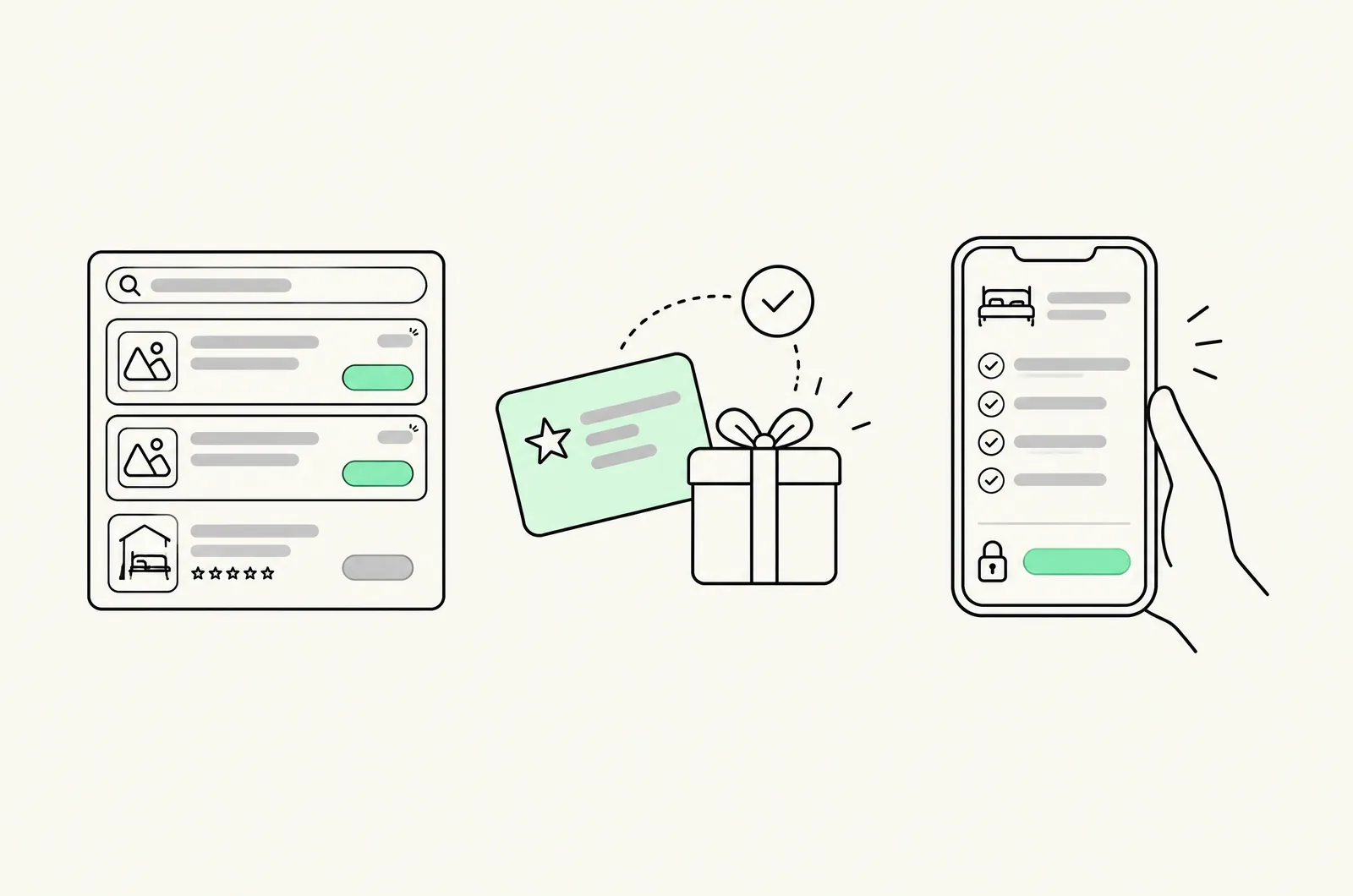
Search your hotel's name and you'll often see two OTA ads before your own site. Guests who already chose you end up booking through an intermediary that charges you for the privilege. Brand-name search campaigns are cheap for the hotel that owns the name, and they're the single fastest way to win back direct bookings.
Loyalty programmes beat you on value
A guest weighing your hotel against a branded property down the street is often weighing points, status and member rates. You can't match a loyalty programme, but you can offer things it can't: a better room on direct bookings, late checkout, breakfast, a local experience. Most independents never say so on the booking page.
Your booking engine loses the guest
Third-party booking engines on boutique sites are often slow on mobile, open a new tab, and show a total far above the advertised rate. Under SB 478 the advertised rate has to be all-in, so a booking engine that adds mandatory fees at the last step is both a conversion leak and a compliance problem.
Six pieces of work, all aimed at the direct booking
Brand-name search defence
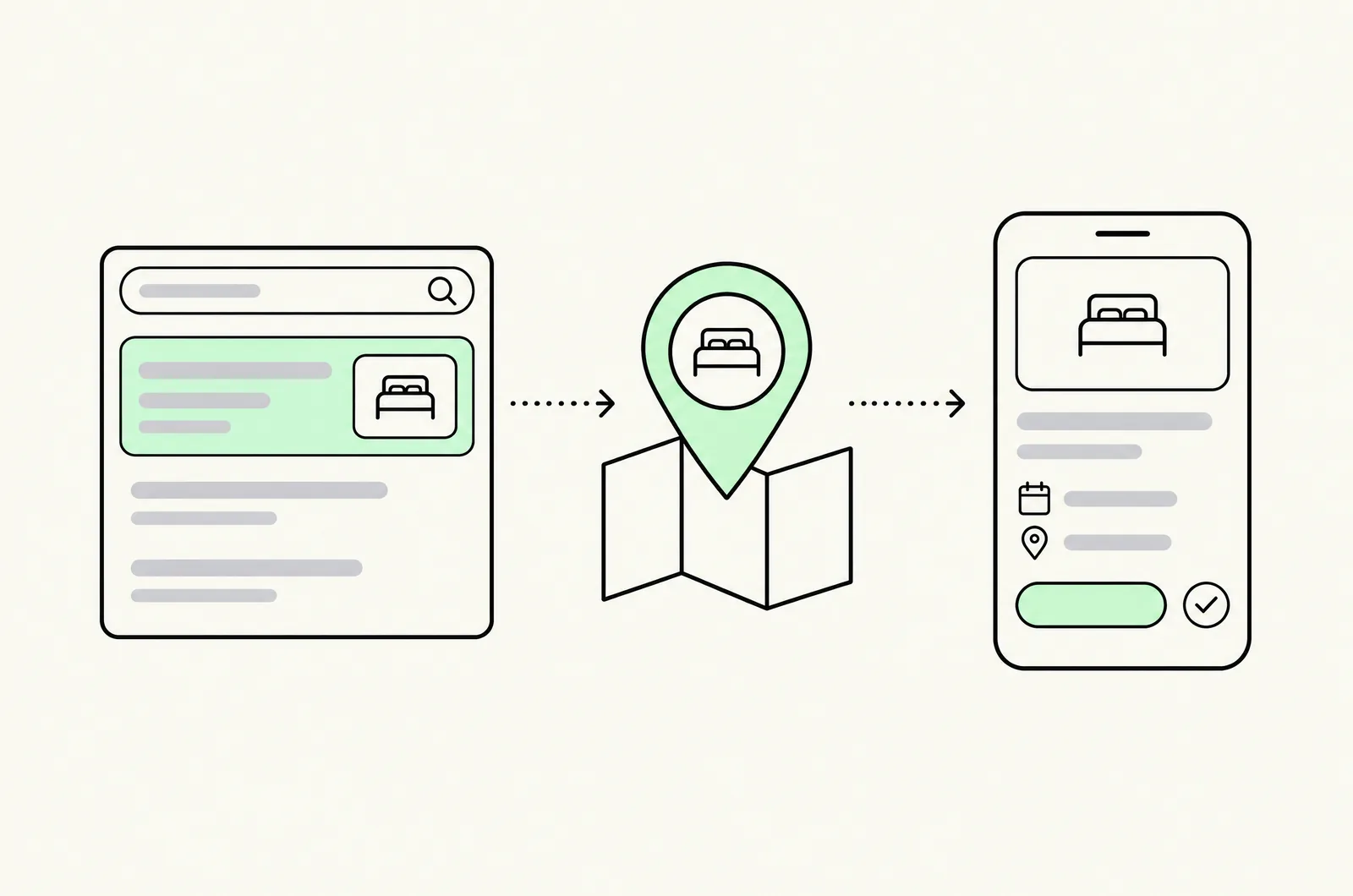
Campaigns on your hotel's name and close variants, with your own direct-booking perks in the ad. OTAs stop collecting commission on guests who were already searching for you.
Google Hotel Ads with all-in rates
Free and paid listings in Google Hotels, with rate feeds that include mandatory fees, as SB 478 requires. If your direct rate shows lower than the OTA's, guests click you.
Booking-engine and mobile CRO
Speed, steps and total-price display on your booking engine, tested on phones. Fixing the last three screens often matters more than any campaign.
Direct-booking offer design
Perks that loyalty programmes and OTAs can't match, shown on your site, in ads and in confirmation emails, so guests have a reason to book with you.
Story-led social and creator partnerships
Instagram and TikTok content about the place, the neighbourhood and the people, with creator stays that drive traffic to your own booking page, not an OTA listing.
Guest-list email and repeat stays
Pre-arrival, post-stay and anniversary emails to past guests, timed to their booking windows. Repeat guests are your cheapest direct bookings.
Six boutique markets, six kinds of guest
Where California's independent hotels cluster, and what sells in each.
Sonoma & Healdsburg
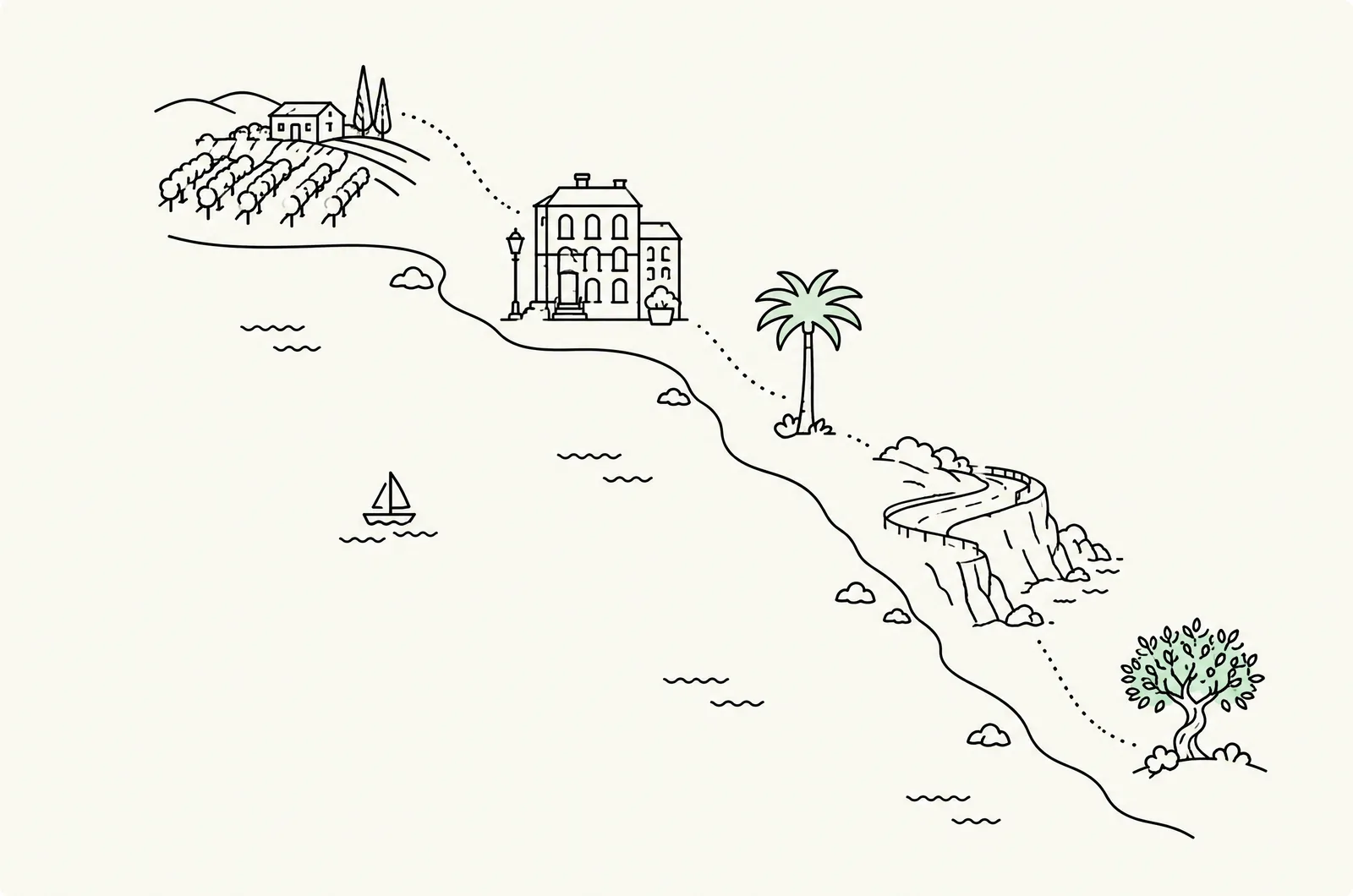
Small, design-led hotels serving wine-country visitors from the Bay Area and beyond. Weekends sell themselves; midweek and winter need packages built around tastings and restaurants.
Napa Valley
High rates and high expectations, competing with resort brands and luxury inns. Guests often book after choosing their winery appointments, so itinerary content works.
San Francisco neighbourhoods
Independent hotels in Union Square, the Mission and North Beach compete with convention-driven brand properties. Neighbourhood content and leisure weekends fill the gaps conventions leave.
Palm Springs
Mid-century boutique hotels with a winter season and festival peaks. Adults-only and design-focused positioning sells, and summer needs value packages for LA drive-market guests.
Big Sur, Carmel & Monterey
Inns and small resorts on a once-in-a-lifetime drive. Guests plan far ahead and research heavily, so content and Google Hotels visibility matter more than last-minute discounting.
Ojai, Santa Barbara & the Central Coast
Retreat-style independents serving LA weekenders. Wellness, food and slow-travel positioning works, and drive time from LA is the selling point.
From direct-share baseline to repeat guests
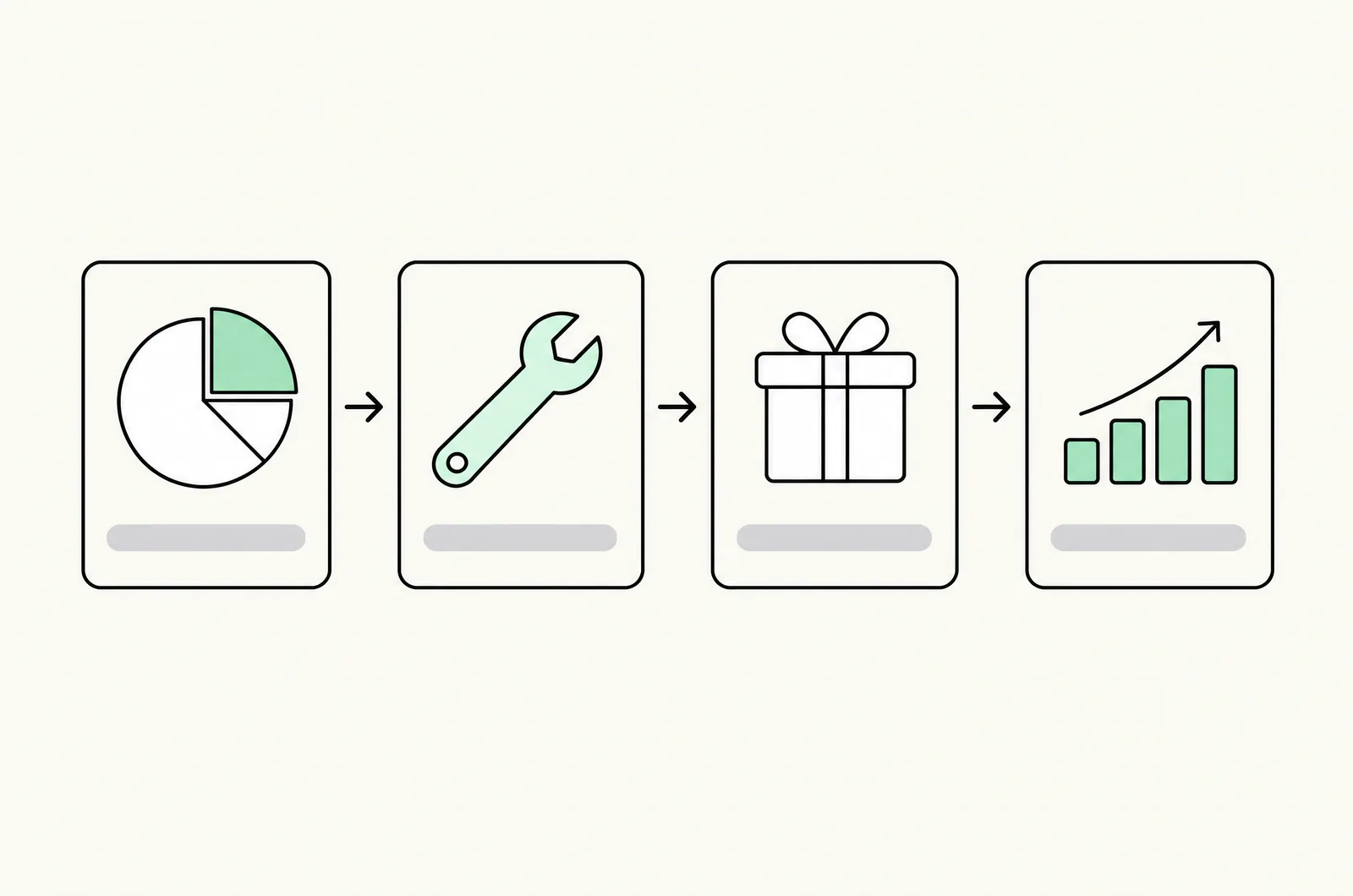
- Step 01
Direct-share baseline
We pull a year of bookings by channel, ADR and commission from your PMS, and test your booking engine on mobile.
- Step 02
Fix the leaks
Brand-name search, all-in rates across the booking engine and Google Hotels, and the first booking-engine fixes.
- Step 03
Give guests a reason
A direct-booking offer, story-led social and creator stays that send guests to your own site.
- Step 04
Report direct share
Monthly: direct share of room nights, commission avoided, ADR and repeat-guest bookings.
A boutique specialist vs a general agency vs doing it in-house
In-house costs are directional and depend on seniority and metro.
Brand-name search defence against OTAs
- General hotel agency
- Often skipped
- In-house California hire
- Rarely
- Conversion (San Francisco)
- Yes
All-in rates in Google Hotels and booking engine
- General hotel agency
- Not checked
- In-house California hire
- Depends
- Conversion (San Francisco)
- Yes
Booking-engine CRO on mobile
- General hotel agency
- No
- In-house California hire
- No testing tools
- Conversion (San Francisco)
- Yes
Direct-booking offer design
- General hotel agency
- Discount codes
- In-house California hire
- Varies
- Conversion (San Francisco)
- Yes
Reports direct share and commission avoided
- General hotel agency
- Impressions
- In-house California hire
- Spreadsheet
- Conversion (San Francisco)
- Yes
Typical monthly cost
- General hotel agency
- $1,500–$6,000 fee
- In-house California hire
- $7,500+ per marketer (directional)
- Conversion (San Francisco)
- From $3,500 fee
The structure behind it, stated plainly
- Search restructure · national
388%
Conversions in 90 days
NP Digital: the structure behind brand defence
NP Digital isn't a hotel and isn't in California. What carries over is how the search account was built: brand terms separated, intent tiers, negatives every week. That's the setup that stops a boutique hotel paying an OTA for guests who searched its name.
Priced for independent hotels
USD, excluding media and creator fees.
Direct foundation
From $3,500/mo
One property
Brand-name search, Google Hotels setup with all-in rates, booking-engine fixes and a monthly direct-share report. Media is separate.
- Brand search defence
- All-in rate feeds
- Booking-engine fixes
- Most popular
Direct growth
$6,000–$10,000/mo
One to three properties
Everything in the foundation, plus story-led social, creator stays, guest-list email and ongoing booking-engine testing.
- Creator partnerships
- Past-guest email
- Ongoing CRO tests
Pay-on-results
Base + share
Qualifying hotels
A lower base plus a share of commission avoided on direct bookings above an agreed baseline share.
- Baseline share agreed
- Paid on commission saved
- Same reporting
Boutique hotel marketing questions
How do boutique hotels get more direct bookings?
Why do OTAs show up when people search my hotel's name?
Does SB 478 affect how a boutique hotel shows rates?
Can an independent hotel compete with brand loyalty programmes?
Which California boutique markets do you work in?
Should boutique hotels use influencers and creators?
How much does boutique hotel marketing cost?
How fast can direct share improve?
Related California pages
Sources and statutes
Every figure and regulation cited on this page.
Facts and thresholds last checked 19 November 2026.
- JMBM Hotel Law — Final California junk-fee laws effective with restaurant exemption (SB 478 and SB 1524)From 1 July 2024 hotels must include mandatory resort fees in the advertised rate; restaurants may list service charges separately if clearly and conspicuously disclosed (SB 1524).
- California Attorney General — SB 478 hidden fees (Honest Pricing Law) FAQ
- CalChamber Alert — California travel industry continues as economic mainstay (Visit California / Dean Runyan 2025 report)2025 travel spending $158.9 billion (+1.7%); lodging $35.2 billion; food service $38.5 billion; international visitor spending down about $1 billion to $25 billion.
Find out what your OTAs are costing you
30 minutes with a senior strategist. Bring your booking mix by channel and we'll show the biggest leak.
What happens next
- 1Pick a time for a 30-minute call.
- 2We test your brand search and booking engine live.
- 3Get a direct-share plan for next season.
Prefer email? tarun@conversion.is