IT & software (B2B) \u00b7 California
B2B software marketing in California, for buying committees, not clicks
Qualified pipeline and closed revenue for California software and IT companies, built for buying committees and CCPA's B2B rules.
Trusted by 50+ D2C brands · Google, Meta & Shopify partners










Half the venture money, and all of it bidding on your buyers
San Francisco, CA
SF · San Jose · Santa Monica
Buying committee
Account-based
Pipeline & ARR
CRM-attributed
In 2025, the San Francisco Bay Area took roughly half of all US venture dollars and about 60% of global AI funding, according to Crunchbase data. That money buys engineers, and it also buys ads. If you sell software or IT services in California, you're bidding against well-funded competitors for the same CIOs, VPs of engineering and procurement teams, often at the highest B2B click prices in the country.
Enterprise software buying has also changed. A typical purchase involves a technical evaluator, a security reviewer, a finance approver and an executive sponsor, and much of their research now happens in AI assistants, peer communities, review sites and your documentation before they talk to sales. A form fill is late in the journey, and most of the decisions that matter are made before it.
We run B2B software as one of nine verticals in our California practice, from San Francisco. The work covers demand capture in search, account-based programmes for named target accounts, content and documentation that technical buyers trust, visibility in AI search, and reporting that ties all of it to qualified pipeline and closed revenue in your CRM.
This page covers B2B software and IT broadly: enterprise and mid-market software, IT and managed services, infrastructure and AI companies. SaaS companies with self-serve or product-led motions have their own page. Developer tools and cybersecurity vendors have their own pages too.
Why B2B software marketing gets expensive in California
Each problem comes from California's capital concentration, its privacy rules or how technical buyers research.

You're bidding against venture money
With roughly half of US venture capital concentrated in the Bay Area, your competitors often fund growth ahead of revenue and bid accordingly. B2B search and LinkedIn costs in California are among the highest anywhere. Programmes that would pay back elsewhere don't here unless they're narrowed to the accounts and intents that convert, and measured on pipeline, not leads.
California privacy rules now reach B2B data
Since 2023, CCPA has covered business contact data, so gated content, webinar lists, intent data and ABM audiences need notice and opt-out handling. New CPPA regulations took effect on 1 January 2026, adding risk assessments, phased cybersecurity audits and, from 2027, rules on automated decision-making. Your martech stack is in scope.
Buyers research where you can't see them
Technical buyers read documentation, ask AI assistants, check G2 and Reddit, and talk to peers before they fill in a form. If your content isn't cited by AI search, your docs don't rank and your reviews are thin, you never make the shortlist. Attribution models that only count last-click form fills underrate the work that put you there.
Eight workstreams, one pipeline report
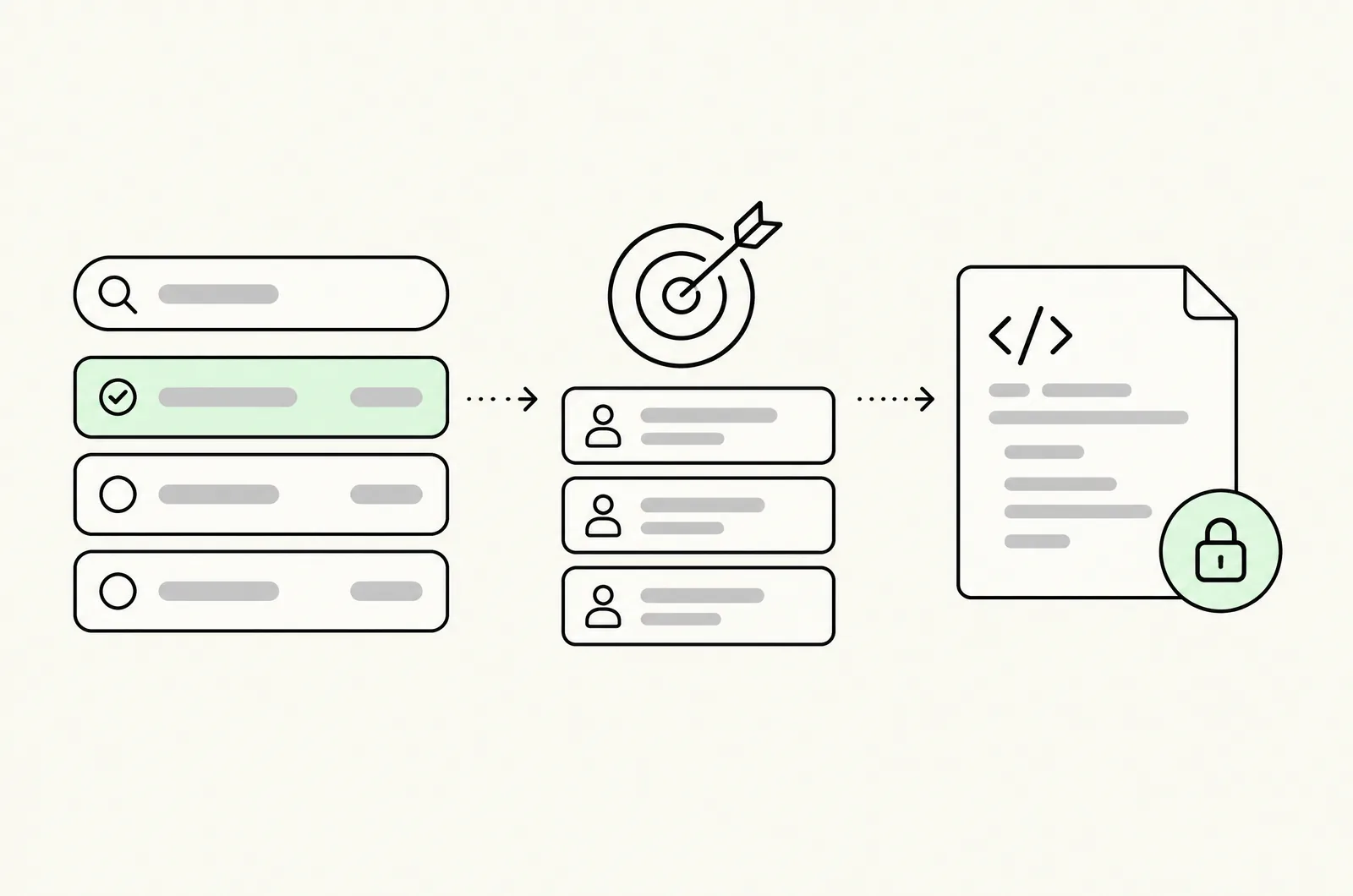
Intent-tiered search
Campaigns split by intent: category, problem, competitor and brand, with negatives added weekly. In California's expensive B2B auctions, mixed-intent campaigns spend most of their budget on research clicks that never convert.
Account-based LinkedIn and display
Programmes for named target accounts by buying role, with messaging for evaluators, security and finance. With CCPA covering B2B data, audiences come from compliant first-party and platform data.
Technical content and documentation SEO
Comparison pages, integration guides, architecture explainers and docs that rank and get cited. Thin marketing pages lose technical buyers to competitors' documentation.
AI-search visibility
Structured, citable content, entity consistency and llms.txt so AI Overviews, ChatGPT and Perplexity name you for category questions. Buyers increasingly start their shortlist there.
Review and community presence
G2 and peer-review programmes, plus useful participation in communities where buyers ask for recommendations. Shortlists often form in places your analytics can't see.
Privacy-compliant martech
Consent, opt-out and Global Privacy Control handling across tags, forms, enrichment and intent data, reviewed against CCPA and the 2026 CPPA regulations.
Events and field marketing
Pre-event targeting, meeting booking and follow-up for Bay Area and LA events, conferences and executive dinners, with badge scans handled as personal data.
Pipeline and revenue attribution
CRM-connected reporting on qualified pipeline, win rate and closed ARR by source and account, imported back into ad platforms so bidding learns from revenue.
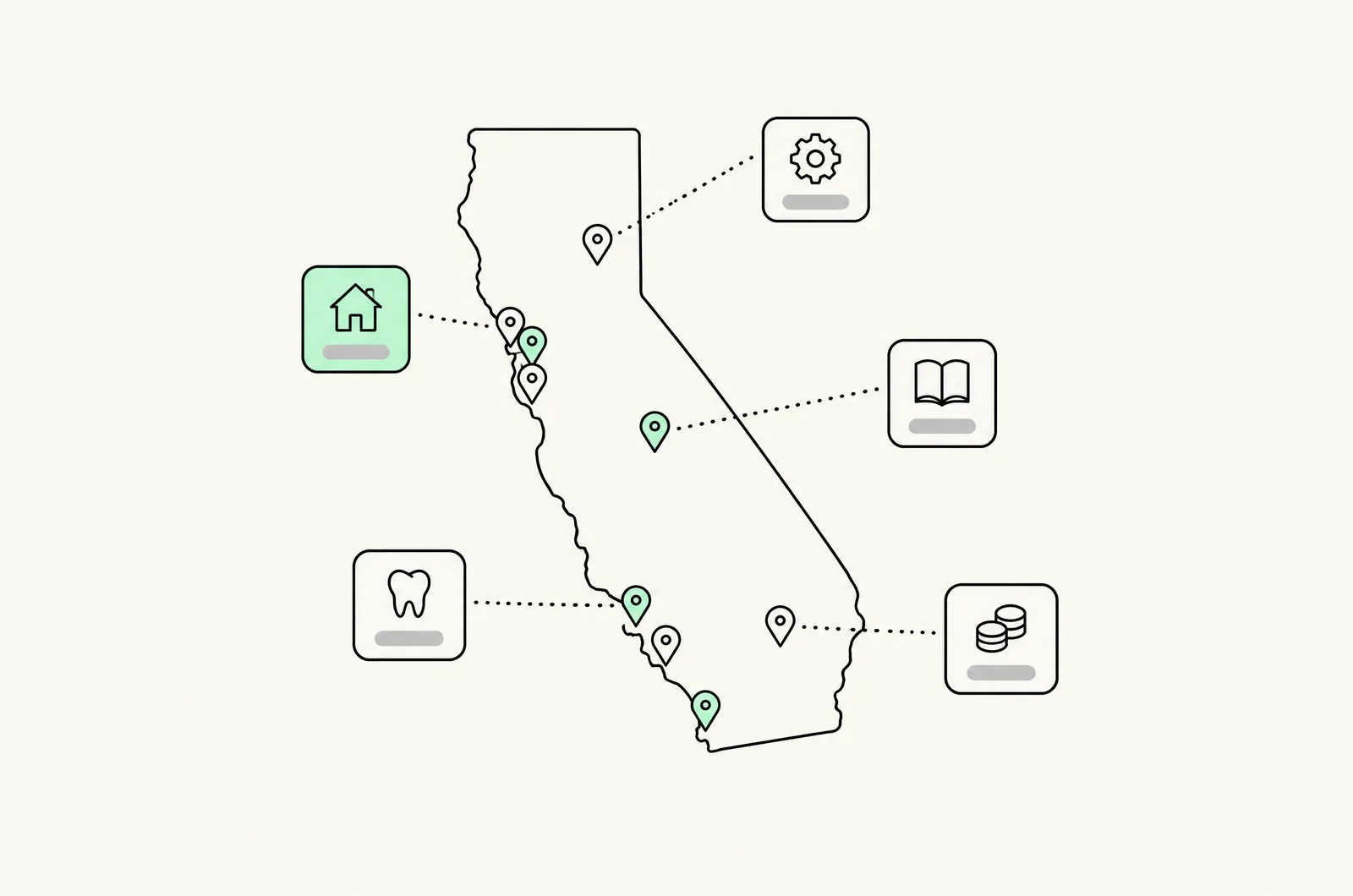
Seven tech corridors, seven kinds of buyer
Who buys software in each corridor, and what decides their shortlist.
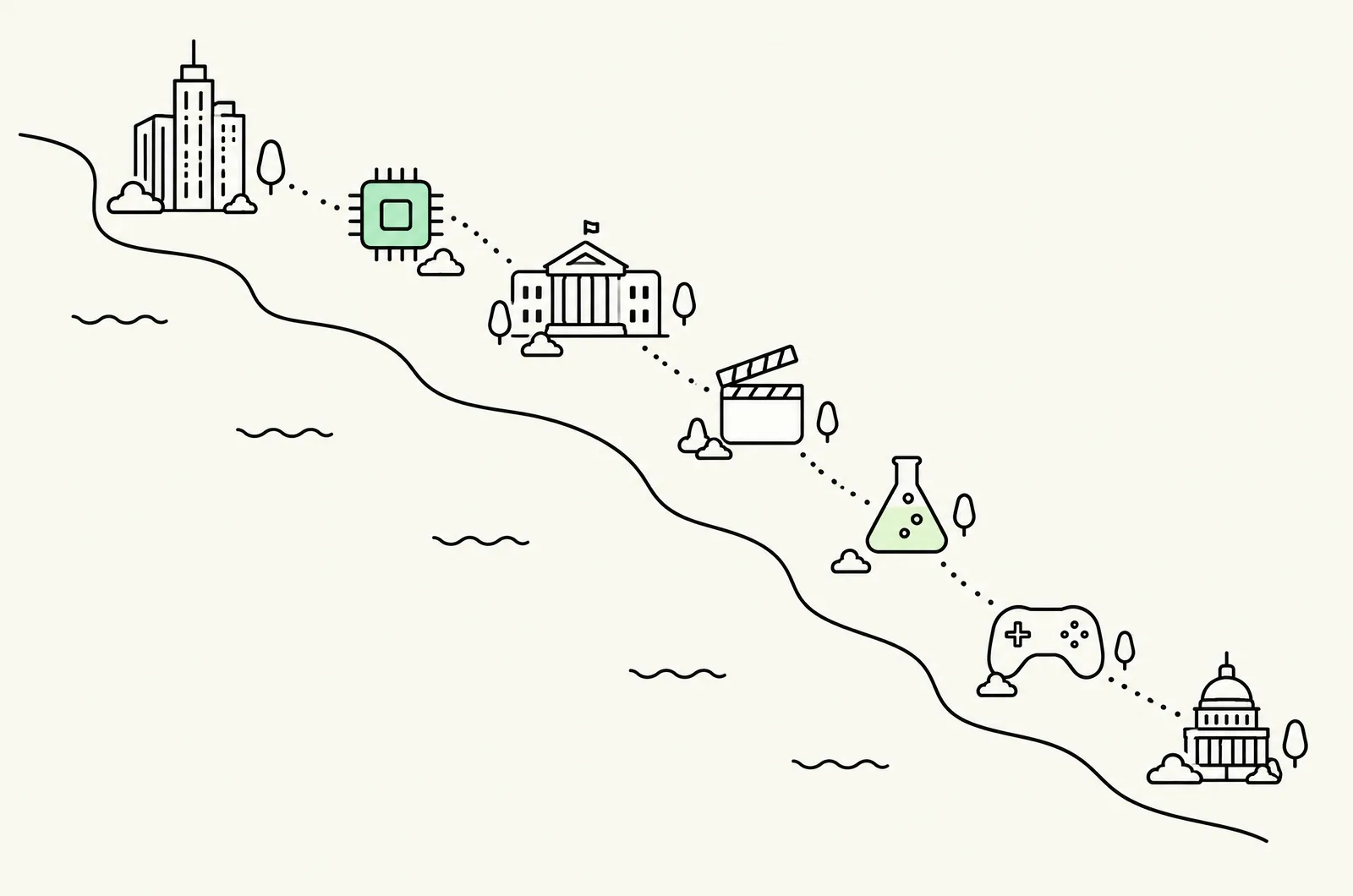
San Francisco
AI companies, venture-backed software and the densest concentration of B2B marketers in the world. Buyers here are sceptical, technical and heavily targeted, so clear positioning beats volume.
San Jose & Silicon Valley
Semiconductors, infrastructure and enterprise software, with long sales cycles and large buying committees. Technical depth and security credibility decide shortlists.
Palo Alto & the Peninsula
Late-stage startups and venture firms, where growth targets drive fast-moving pipeline goals. Founder-led and executive-network marketing carries weight.
Santa Monica & Silicon Beach
Media tech, adtech, gaming and consumer-facing software companies. Creative-led B2B marketing and industry events in LA work well.
San Diego
Life-sciences software, defence technology, telecoms and a growing SaaS scene. Regulated buyers need security and compliance content early.
Irvine & Orange County
Healthcare IT, gaming, automotive software and IT services. Mid-market buyers who value local presence and long-term support.
Sacramento
Government technology and public-sector IT, with procurement rules and long cycles. State-contract buyers research through RFPs, references and compliance documentation.
From pipeline audit to closed ARR
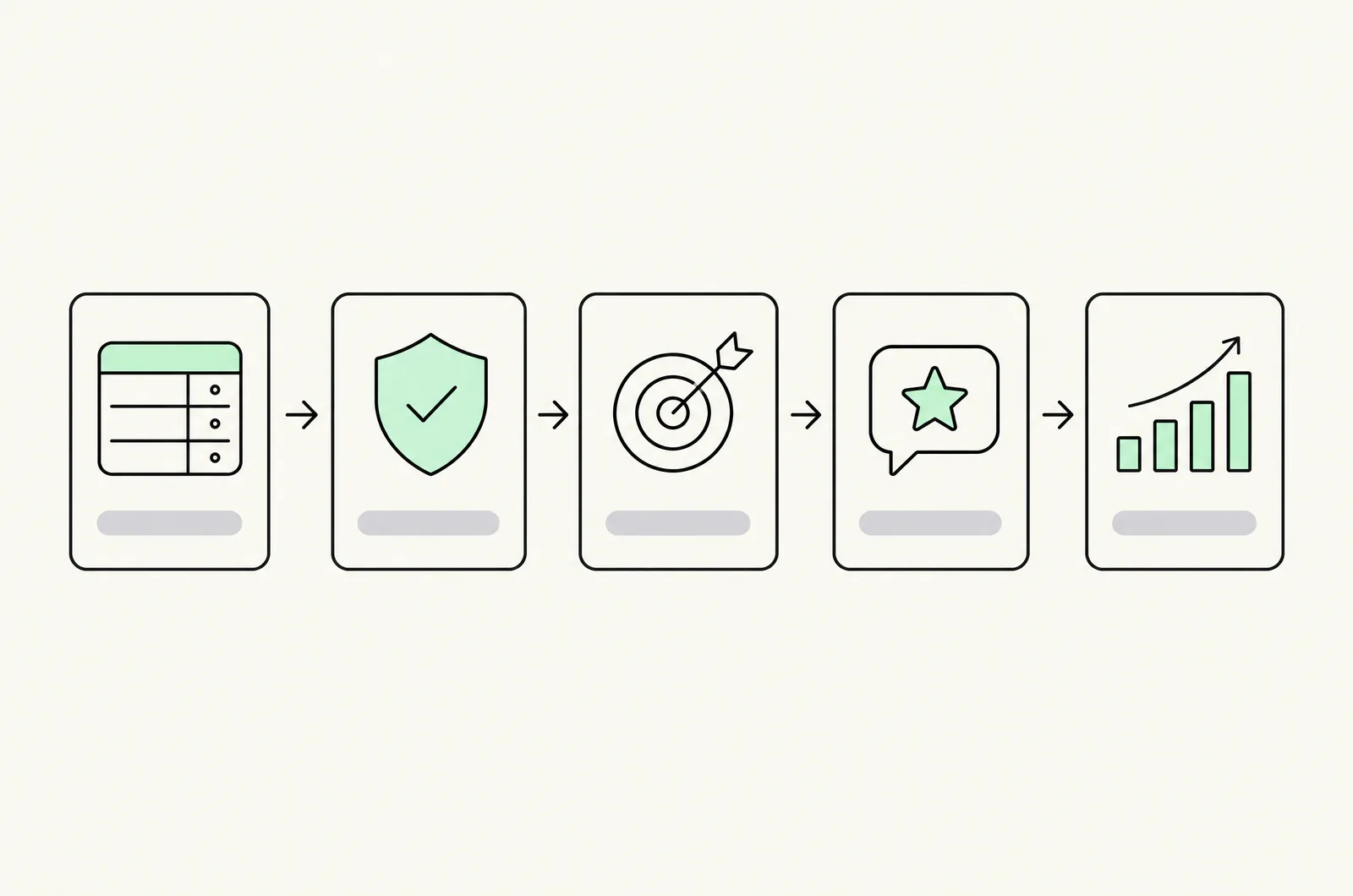
- Step 01
Pipeline audit
We map 12 months of opportunities, win rates and closed ARR by source, segment and account to find where revenue actually comes from.
- Step 02
Privacy and martech pass
Consent, opt-out and data flows across tags, forms, enrichment and intent tools, checked against CCPA and the 2026 CPPA regulations.
- Step 03
Build demand capture and ABM
Intent-tiered search, account-based programmes for named accounts, and technical content for each member of the buying committee.
- Step 04
Earn the shortlist
Documentation SEO, AI-search visibility, reviews and community presence, so you're named before the buyer fills in a form.
- Step 05
Report on revenue
Monthly qualified pipeline, win rate and closed ARR by source and account. Budget moves toward what closes.
A California B2B agency, an out-of-state agency or an in-house team
In-house costs are directional and depend on seniority and metro.
Knows CCPA rules for B2B data and 2026 CPPA regs
- Out-of-state agency
- Rarely
- In-house California hire
- Depends on the hire
- Conversion (San Francisco)
- Yes
Intent-tiered search with weekly negatives
- Out-of-state agency
- Broad campaigns
- In-house California hire
- If time allows
- Conversion (San Francisco)
- Yes
Account-based programmes by buying role
- Out-of-state agency
- Lead-gen forms
- In-house California hire
- Limited tools
- Conversion (San Francisco)
- Yes
AI-search and documentation visibility
- Out-of-state agency
- Add-on
- In-house California hire
- Rarely
- Conversion (San Francisco)
- Yes
Reports pipeline and closed ARR
- Out-of-state agency
- MQLs
- In-house California hire
- Varies
- Conversion (San Francisco)
- Yes
Typical monthly cost
- Out-of-state agency
- $5,000–$20,000 fee
- In-house California hire
- $15,000+ fully loaded (directional)
- Conversion (San Francisco)
- From $6,000 fee
B2B proof, labelled honestly
- B2B demand gen · national
388%
Conversions in 90 days
NP Digital: intent tiers for a sceptical B2B buyer
NP Digital is a B2B services company, not a software vendor and not a California client. It's still our most relevant result: a buyer who audits every decision, a search account rebuilt around intent tiers and weekly negatives, conversions up 388% and CPA down 70% in 90 days.
Where software splits into different motions
Self-serve, developer and security buyers each need their own plan.
- Live
SaaS
Self-serve, product-led and sales-assisted SaaS: trials, activation, expansion and California's 2025 auto-renewal rules.
- Live
Developer tools
Selling to developers who block ads and read docs: open-source communities, documentation SEO and developer trust.
- Live
Cybersecurity vendors
Security buyers who need proof before a demo: compliance content, analyst relations and long enterprise cycles.
What B2B software marketing costs in California
USD, excluding media. LinkedIn and search budgets in the Bay Area usually run higher than elsewhere.
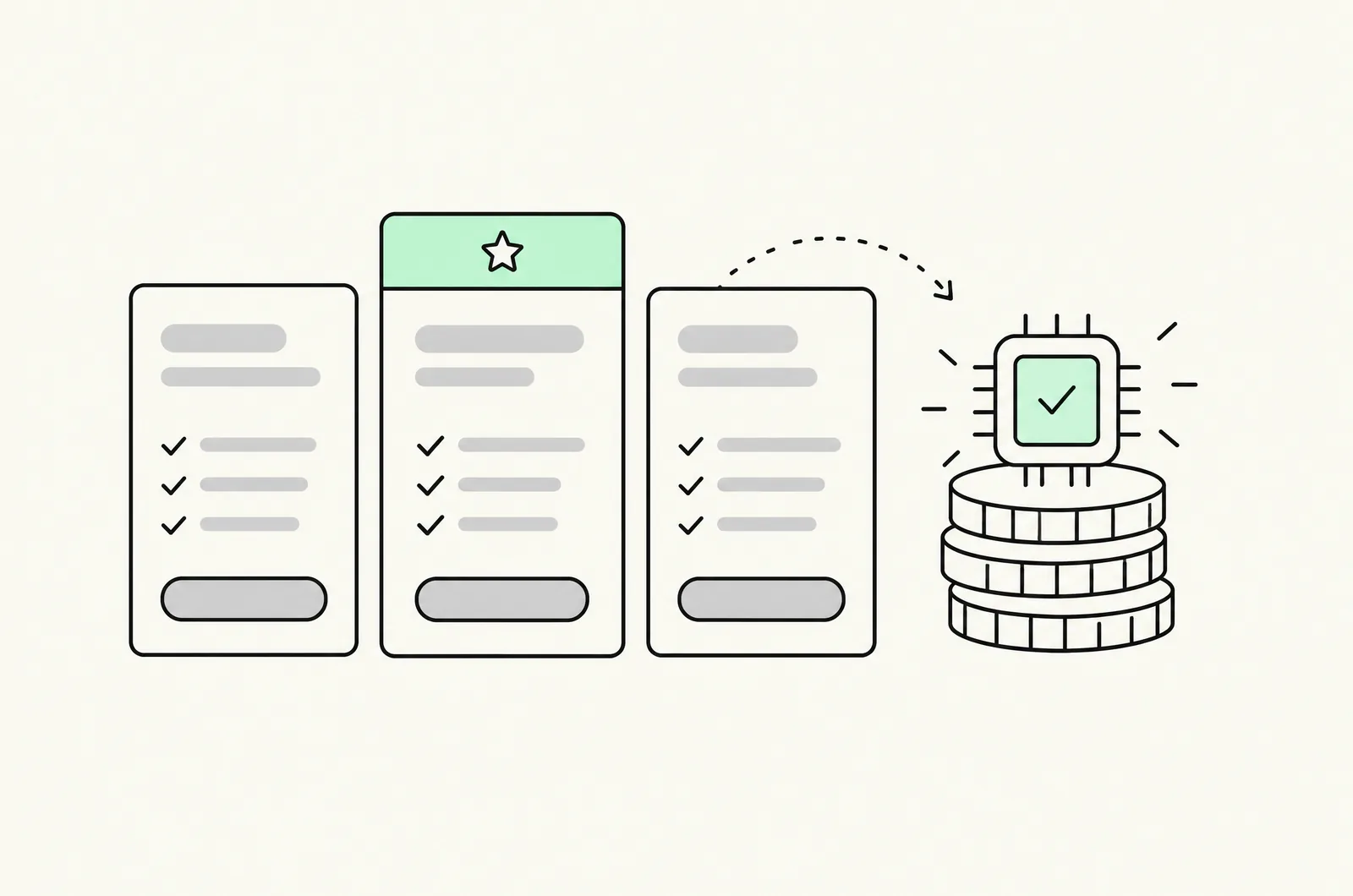
Demand foundation
From $6,000/mo
One or two channels
Intent-tiered search or account-based LinkedIn, the privacy and martech pass, and pipeline attribution in your CRM. Media is separate.
- Intent-tiered search
- Martech privacy review
- Pipeline report
- Most popular
B2B growth programme
$12,000–$25,000/mo
Multi-channel · multi-segment
Search, ABM, technical content, AI-search visibility, reviews and events run as one plan, with revenue attribution back to the ad platforms.
- Named-account ABM
- Docs and AI-search SEO
- Closed-ARR attribution
Pay-on-results
Base + share
Qualifying companies
A lower base plus a share of first-year ARR from attributed new customers above an agreed baseline.
- Baseline agreed up front
- Paid on closed ARR
- Same reporting
B2B software marketing questions

What does a B2B software marketing agency in California do?
Does the CCPA apply to B2B software marketing?
What changed with the 2026 CPPA regulations?
Why is B2B advertising so expensive in the Bay Area?
How do you get a software company cited in AI search?
How long does B2B software marketing take to show pipeline?
Which California tech corridors do you work in?
How much does B2B software marketing cost?
Should we hire an in-house demand-gen team instead?
More from the San Francisco team
California digital marketing hub
All nine California verticals, the state rulebook and the metros we plan for.ExploreSaaS marketing in California
Trials, activation and expansion for self-serve and product-led SaaS.ExploreManufacturing marketing in California
A sibling vertical: account-based B2B for engineering buyers.ExploreEducation marketing in California
A sibling vertical, and a buyer for many edtech companies.ExploreAI search (AEO) agency
Getting named in ChatGPT, Perplexity and AI Overviews.ExploreNP Digital case study
Intent-tiered B2B search: +388% conversions, -70% CPA.Explore


Sources and statutes
Every figure and regulation cited on this page.
Facts and thresholds last checked 19 November 2026.
- Crunchbase News — US startup funding boom concentrates in the Bay AreaBay Area took roughly half of US venture dollars in 2025 and about 60% of global AI funding.
- California Privacy Protection Agency — California finalizes regulations to strengthen consumers' privacyEffective 1 January 2026; ADMT duties from 1 January 2027; risk-assessment attestations and cybersecurity audits phased from 2027–2028 by revenue.
- California Attorney General — California Consumer Privacy Act (CCPA)Since CPRA took full effect on 1 January 2023, B2B contact data and employee data are no longer exempt.
- California Privacy Protection Agency — 2025 CCPA monetary threshold adjustmentsAnnual gross revenue threshold for a covered 'business': $26,625,000 (Civil Code §1798.140(d)(1)(A)).
Get a pipeline-by-source audit
30 minutes with a senior strategist. Bring your CRM's opportunity data if you can.
What happens next
- 1Pick a time for a 30-minute call.
- 2We review pipeline sources, ABM and martech privacy.
- 3Get a plan measured on pipeline and ARR.
Prefer email? tarun@conversion.is