Cybersecurity vendors
Cybersecurity marketing for buyers who trust nothing
Pipeline and closed deals for security vendors selling to California's CISOs, with proof, compliance drivers and events that matter.
Trusted by 50+ D2C brands · Google, Meta & Shopify partners










A new audit deadline, and buyers who've heard it all
San Francisco, CA
Bay Area · LA · SD
Compliance-driven
CPPA audit timeline
Pipeline and ARR
Not MQLs
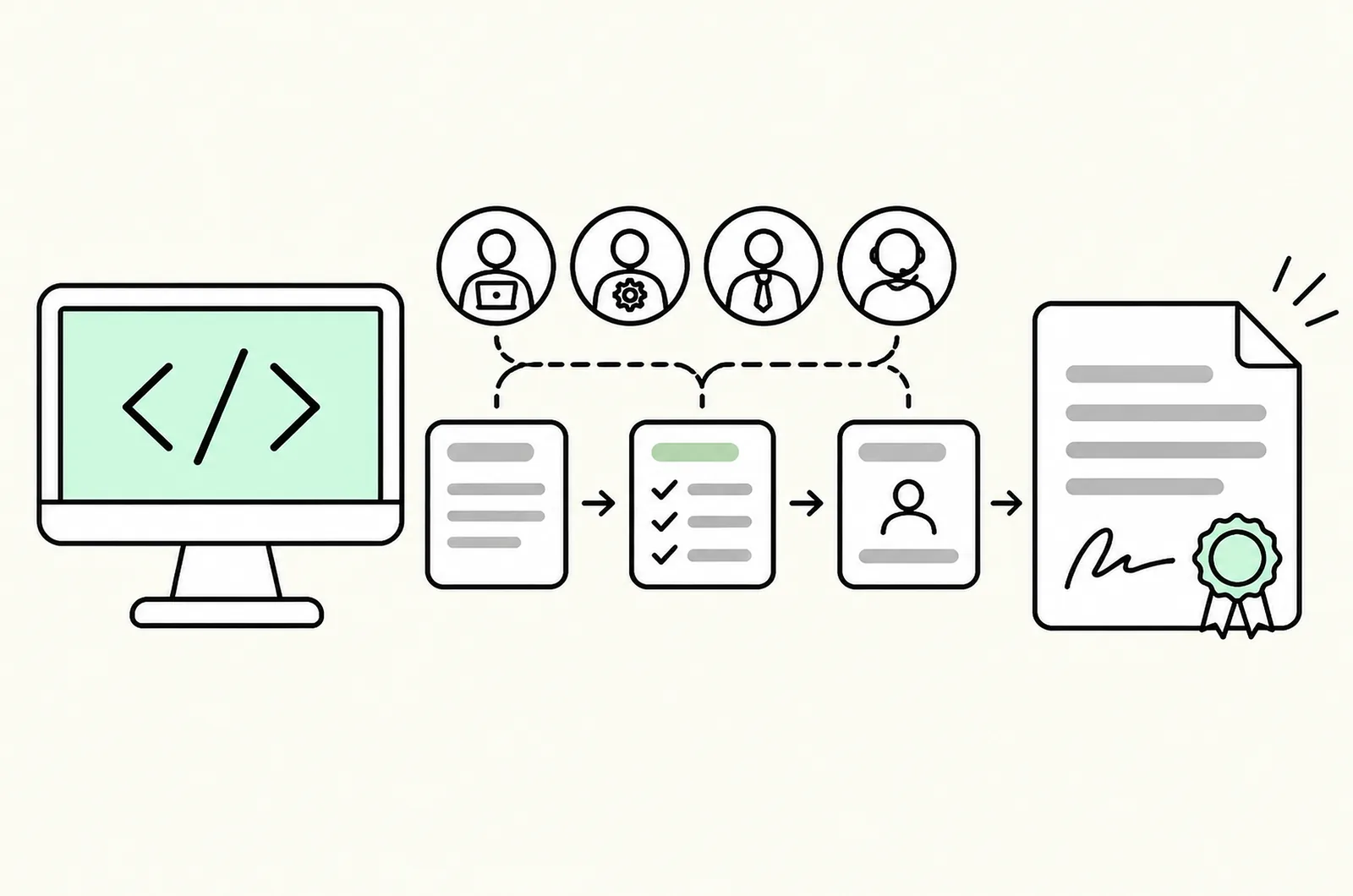
From 2027, California's privacy regulator starts requiring larger businesses to complete cybersecurity audits, phased in by revenue through 2028, under regulations that took effect on 1 January 2026. Thousands of companies that sell to Californians will need to show their security programmes to an auditor. For security vendors, that's a deadline-driven reason for buyers to act, if your marketing connects your product to what the audit checks.
Security buyers are among the hardest in B2B. CISOs are targeted by hundreds of vendors, distrust claims they can't verify, and rely on peers, analysts and their own testing. A typical deal involves security engineers, the CISO, procurement, legal and often a proof of concept. Fear-based marketing and vague 'AI-powered' claims mostly get ignored.
We work with security vendors as part of B2B software marketing in California, and from our San Francisco office. The work is technical credibility, compliance-driven demand, account-based programmes and event presence, measured on pipeline and closed revenue.
Three reasons security pipelines stall
Each one is about credibility, not volume.
Every vendor sounds the same
'AI-powered, zero-trust, single pane of glass' describes half the security market. CISOs can't tell vendors apart from their websites, so they rely on peers and analysts. Vendors who explain specifically what they detect or prevent, show how it works and publish real research stand out.
Compliance drivers go unused
California's CPPA cybersecurity audits, phased in from 2027 by revenue, plus SOC 2, PCI and other frameworks, give buyers deadlines and budgets. Many vendors never map their product to those requirements, so buyers don't connect the tool to the audit they have to pass.
Proofs of concept stall
Security deals often depend on a proof of concept or trial in the buyer's environment. Without clear success criteria, technical support and executive summaries, PoCs drift. Marketing can provide the evaluation guides, test plans and business cases that move them forward.
Six pieces of work, proof to pipeline
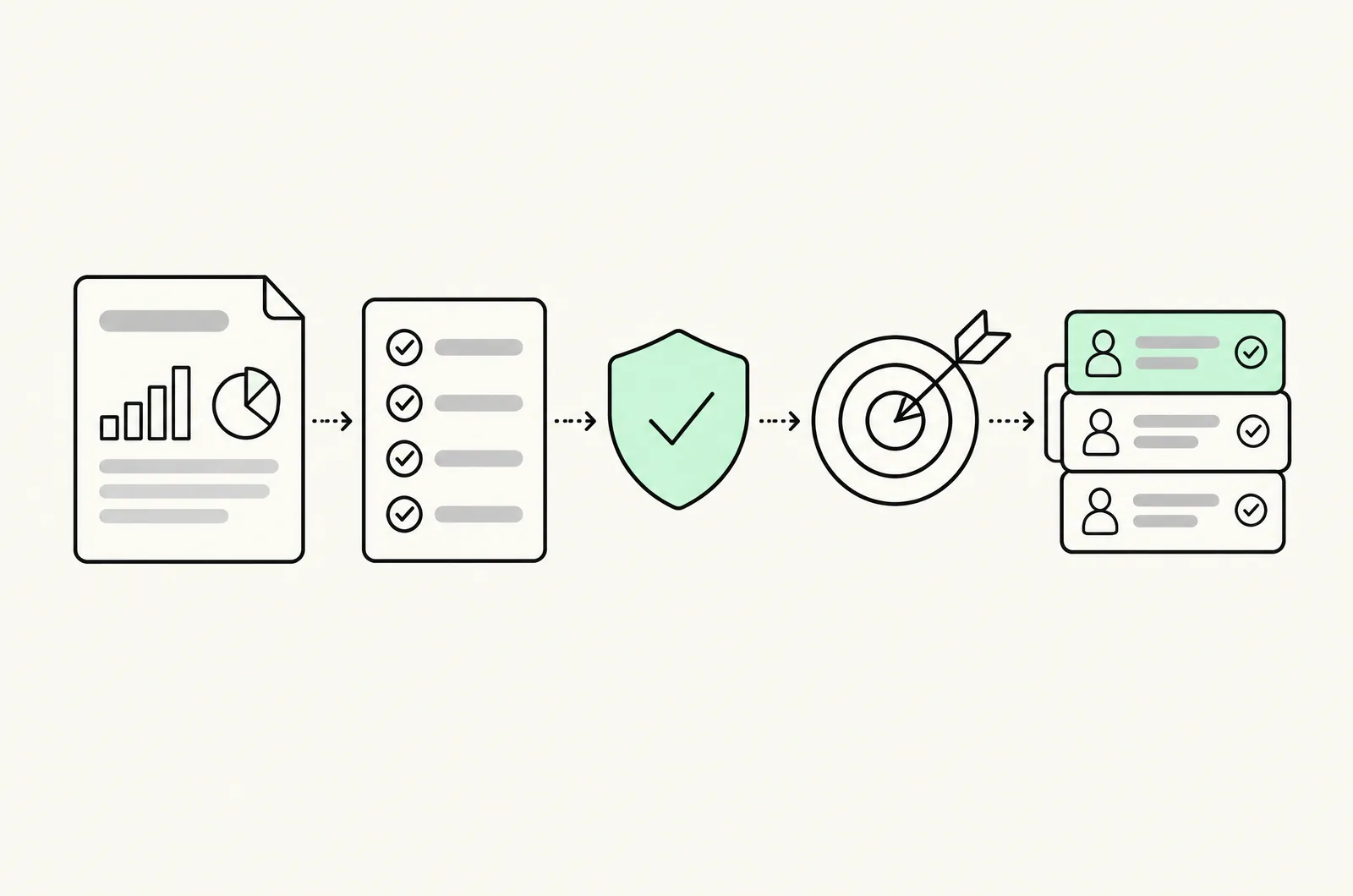
Technical content and research
Threat research, technical write-ups and honest comparisons that security engineers read and share, written with your team.
Compliance mapping content
Pages and guides that map your product to CPPA cybersecurity audit requirements, SOC 2, PCI and other frameworks.
Account-based programmes
Campaigns to CISOs, security engineers and IT leaders at named accounts, with role-specific messaging.
Evaluation and PoC support
Evaluation guides, test plans, security questionnaires and executive summaries for buyers running proofs of concept.
Events and analyst presence
Pre-event targeting and meetings for RSA Conference in San Francisco and regional events, plus analyst briefing support.
Pipeline and revenue reporting
Qualified pipeline, PoCs, win rate and closed ARR by source and account, from your CRM.
Five security markets, five kinds of buyer
Where California's security buyers are, and what they test.
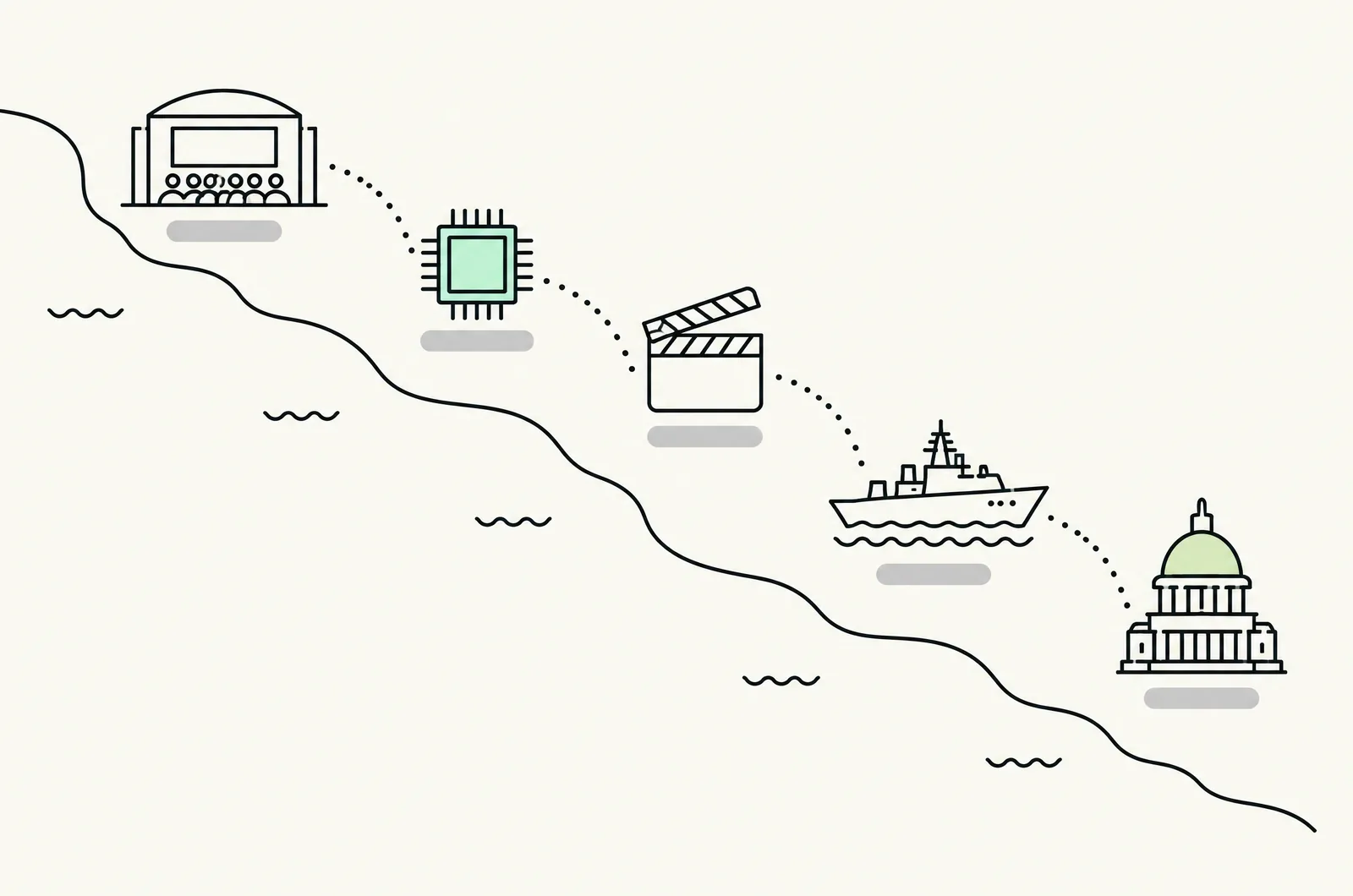
San Francisco
Home of the RSA Conference and many security vendors and buyers. Event presence and peer reputation are essential.
Silicon Valley
Large technology companies with mature security teams that test tools rigorously. Technical depth decides shortlists.
Los Angeles
Media, entertainment, healthcare and aerospace companies with diverse security needs, including content protection and supply-chain security.
San Diego
Defence contractors, biotech and telecoms, where CMMC, export rules and regulated data shape buying.
Sacramento
State agencies and public-sector buyers, with procurement rules, long cycles and compliance documentation requirements.
From positioning audit to closed ARR
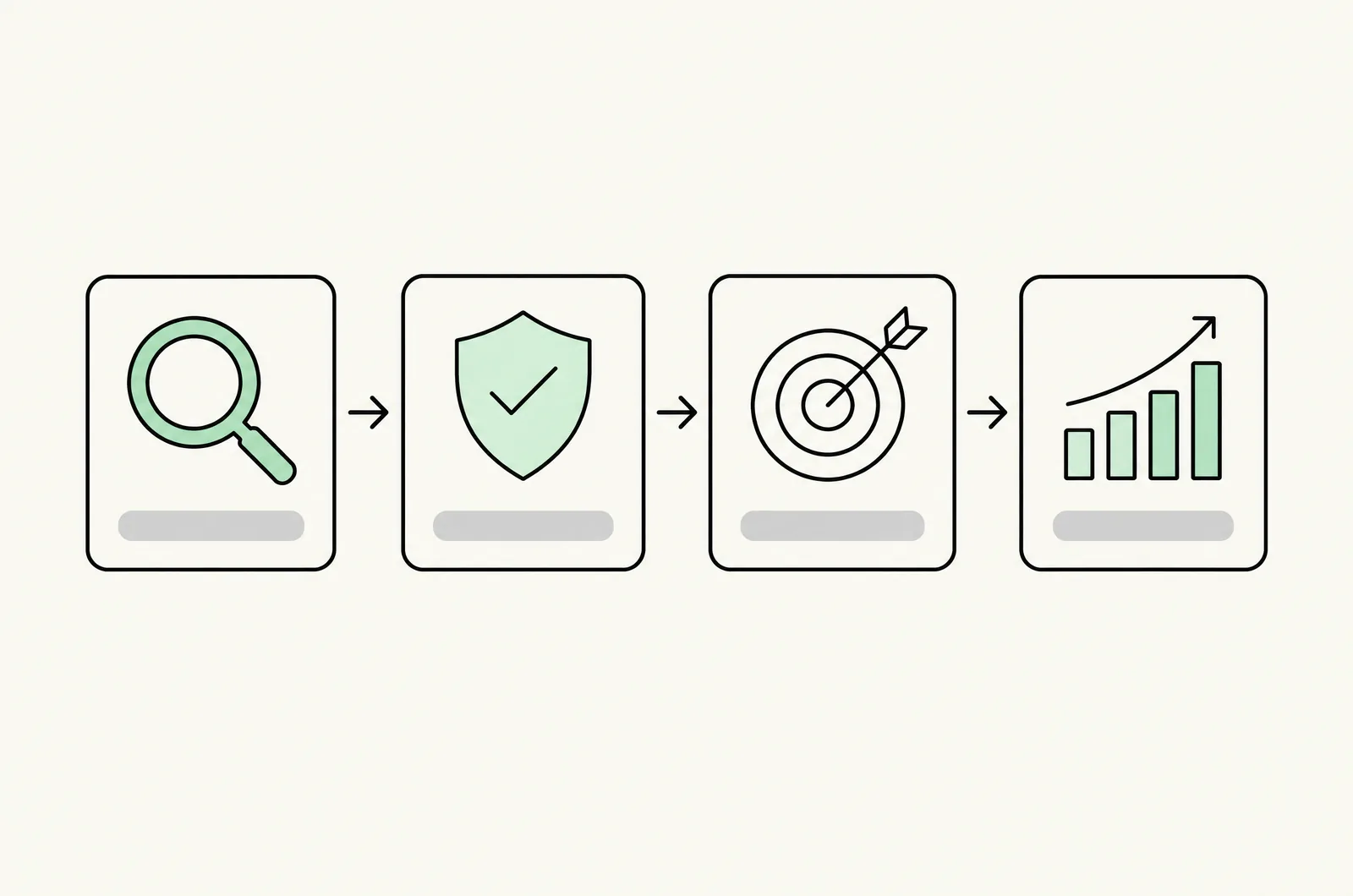
- Step 01
Positioning and proof audit
How specific your claims are, what proof you publish and which compliance drivers you map to.
- Step 02
Build credibility
Technical content, research and compliance-mapping pages, plus PoC and evaluation materials.
- Step 03
Target accounts and events
Account-based programmes to security buyers, plus event and analyst work.
- Step 04
Report pipeline
Monthly qualified pipeline, PoCs, win rate and closed ARR by source.
A security specialist vs a B2B agency vs an in-house marketer
In-house costs are directional and depend on seniority and metro.
Maps product to CPPA audits and frameworks
- General B2B agency
- Rarely
- In-house California hire
- Product-marketing project
- Conversion (San Francisco)
- Yes
Technical content with your researchers
- General B2B agency
- Generic thought leadership
- In-house California hire
- If time allows
- Conversion (San Francisco)
- Yes
PoC and evaluation materials
- General B2B agency
- No
- In-house California hire
- Sales engineers
- Conversion (San Francisco)
- Yes
RSA Conference and event programmes
- General B2B agency
- Booth logistics only
- In-house California hire
- Events team
- Conversion (San Francisco)
- Yes
Reports pipeline and ARR
- General B2B agency
- MQLs
- In-house California hire
- CRM
- Conversion (San Francisco)
- Yes
Typical monthly cost
- General B2B agency
- $6,000–$25,000 fee
- In-house California hire
- $16,000+ per marketer (directional)
- Conversion (San Francisco)
- From $8,000 fee
Sceptical buyers, honestly compared
- Sceptical B2B buyer · national
388%
Conversions in 90 days
NP Digital: marketing to buyers who audit everything
NP Digital isn't a security vendor or a California client, and we have no published cybersecurity result. It's relevant because the buyer was an expert who could audit every decision. Rebuilding search by intent lifted conversions 388% and cut CPA 70%. Security buyers are just as sceptical.
What security marketing costs in California
USD, excluding media and event costs.
Credibility foundation
From $8,000/mo
One product
Positioning audit, technical and compliance-mapping content, PoC materials and pipeline reporting. Media is separate.
- Compliance mapping
- Technical content
- Pipeline report
- Most popular
Security growth
$15,000–$30,000/mo
Multi-product
Everything in the foundation, plus account-based programmes, event marketing and analyst support.
- Named-account ABM
- RSA and event programmes
- Analyst support
Pay-on-results
Base + share
Qualifying vendors
A lower base plus a share of first-year ARR from attributed new customers above an agreed baseline.
- Baseline agreed up front
- Paid on closed ARR
- Same reporting
Cybersecurity marketing questions
How do cybersecurity vendors reach CISOs?
What are California's new cybersecurity audit requirements?
How should security vendors use compliance in marketing?
Is RSA Conference worth it for security vendors?
How do you support proofs of concept?
Which California security markets do you work in?
How much does cybersecurity vendor marketing cost?
Should security vendors use fear-based messaging?

Sources and statutes
Every figure and regulation cited on this page.
Facts and thresholds last checked 19 November 2026.
- California Privacy Protection Agency — California finalizes regulations to strengthen consumers' privacyEffective 1 January 2026; ADMT duties from 1 January 2027; risk-assessment attestations and cybersecurity audits phased from 2027–2028 by revenue.
- California Attorney General — California Consumer Privacy Act (CCPA)Since CPRA took full effect on 1 January 2023, B2B contact data and employee data are no longer exempt.
Map your product to the audits buyers face
30 minutes with a senior strategist. We'll review your claims, proof and compliance mapping.
What happens next
- 1Pick a time for a 30-minute call.
- 2We review positioning, proof and pipeline.
- 3Get a credibility-first plan.
Prefer email? tarun@conversion.is