California · 9 industries
Digital marketing for California companies, one industry at a time
SEO, paid media and conversion work for California businesses, planned metro by metro and built around the state's privacy, pricing and advertising laws.
Trusted by 50+ D2C brands · Google, Meta & Shopify partners











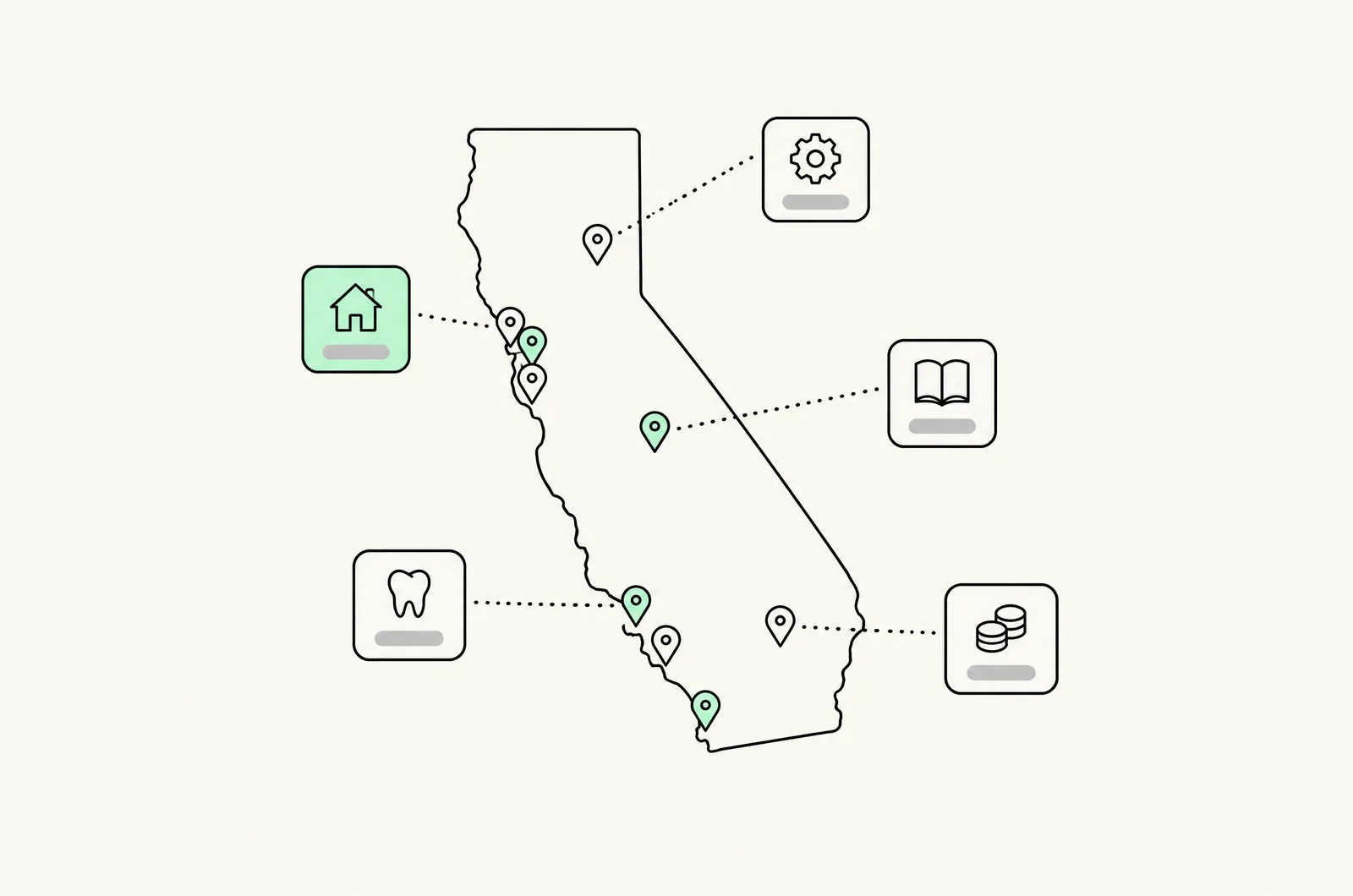
Forty million buyers, not one market
San Francisco, CA
15 Westgate Drive
Statewide
LA · SD · SF · SAC · SJ
Margin-first
Contribution, not clicks
California is not one market. A Bay Area SaaS company sells to a buying committee in Palo Alto, while an Inland Empire food processor ships to grocery buyers across the West. A Westside brokerage sells $5 million homes, and each of them answers to a different regulator. National agencies flatten all of this into one 'US' campaign with one landing page and one cost-per-lead target. That's why California accounts so often look expensive on paper and unprofitable in the P&L.
We run the California practice from San Francisco and build every engagement around three questions. Which metros actually hold your buyers? Which state rules constrain what your ads, forms and pixels can do? And what does a customer contribute after media, fees and fulfilment? The answers decide the channel mix, before anyone writes an ad.
Each industry gets its own page because the work differs by industry. The real estate marketing in California page covers DRE license disclosure, Measure ULA and spring listing season. Manufacturing marketing in California covers RFQ pipeline, Prop 65 and CCPA rules for B2B data. All nine verticals now have their own pages, from hospitality and healthcare to financial services and automotive. Each goes one level deeper into the buyers who behave differently, such as luxury and coastal brokerages.
Where we've done the work matters too. Our published results are national: an athleisure brand, a demand-generation agency and a Canadian fintech app. We don't claim California logos we don't have. What carries over is the method: intent-tiered search, audience pools built before peak season, and measurement against margin rather than platform-reported ROAS.
Three things that make California harder to market in
These are the cost, regulation and competition problems a national playbook misses. Every California engagement starts with them.

Your cost base starts higher than anyone else's
California's exempt-salary floor is $70,304 a year in 2026: twice the $16.90 minimum wage, times 2,080 hours. That's the legal floor, and a senior performance marketer in San Francisco or Los Angeles costs far more (directionally $150,000 to $200,000+ base). Add Bay Area and Westside rents and studio day rates, and every channel has to clear a higher bar. A plan built on national CPA targets will look fine in the dashboard and lose money in the P&L.
The state regulates the funnel itself
CCPA/CPRA covers any company with more than $26,625,000 in annual gross revenue, or that buys, sells or shares personal data at scale. That governs your pixels, lead forms and opt-out links. Since July 2024, SB 478 requires advertised prices to include mandatory fees. On top of that sit industry rules: DRE license numbers on real estate ads, Medical Board limits on testimonials, Automatic Renewal Law disclosures for subscriptions. An agency that doesn't know them ships non-compliant pages.
You compete with the densest advertiser base in the country
Los Angeles and the Bay Area hold some of the most contested map packs and auctions in the US, because every national brand and every well-funded startup bids there too. 'Near me' searches from LA and SF carry very high commercial intent, and they're priced to match. Winning statewide means choosing the metros where your unit economics work and cutting the ones where they don't, instead of bidding 'California' as one block.
Nine verticals, each with its own playbook
Each vertical page covers its own regulations, metros and buying cycle, and goes one level deeper into the buyers who behave differently. Pages ship in waves; live ones are linked.

- Live
Real estate
Brokerages, teams and developers. DRE license disclosure, AB 723 altered-photo rules, spring listing season and Measure ULA in Los Angeles. Specialist pages cover luxury brokerage, new-build developers and commercial real estate.
- Live
Manufacturing
Food and beverage processors in the Inland Empire and Central Valley, Bay Area robotics and hardware, and industrial distributors around the Long Beach and Oakland ports. Food and beverage processing has its own page.
- Live
Education
Private K–12 in Los Angeles and the Bay Area, enrollment marketing timed to the CSU and UC application cycle, and trade schools in Sacramento and the Inland Empire. Title IV and FAFSA timing set the calendar.
- Live
Automotive
LA and Orange County dealer groups, EV and charging companies in the country's largest EV market, and Riverside and San Bernardino aftermarket. SB 478 all-in pricing applies to every advertised vehicle price.
- Live
IT & software (B2B)
SaaS, developer tools and cybersecurity vendors across San Francisco, San Jose, Palo Alto, Santa Monica and San Diego. Buying committees, developer trust, and documentation as an SEO channel.
- Live
Hospitality
Boutique hotels, restaurant groups, and Napa and Sonoma tasting rooms. OTA parity clauses, transient occupancy tax in displayed rates, and the San Diego, Monterey and Palm Springs seasons.
- Live
Interior design
Residential luxury studios from Montecito to Napa, commercial and hospitality interiors, and trade showrooms. Portfolio SEO, Houzz dynamics, and the referral loops between designers and architects.
- Live
Healthcare
Multi-site dental groups and DSOs, Bay Area fertility clinics, and Los Angeles med-spas. CMIA is stricter than HIPAA on tracking, and the Medical Board polices testimonials and before/after imagery.
- Live
Financial services
Mortgage and lending under DFPI and NMLS licensing, wealth managers in San Francisco and Los Angeles, and insurance brokerages working through the state's homeowners-insurance crunch.
Compliance is part of the funnel, not a footer link
These are the state rules that change what your ads, landing pages, forms and pixels may do. Each one gets checked before spend scales.
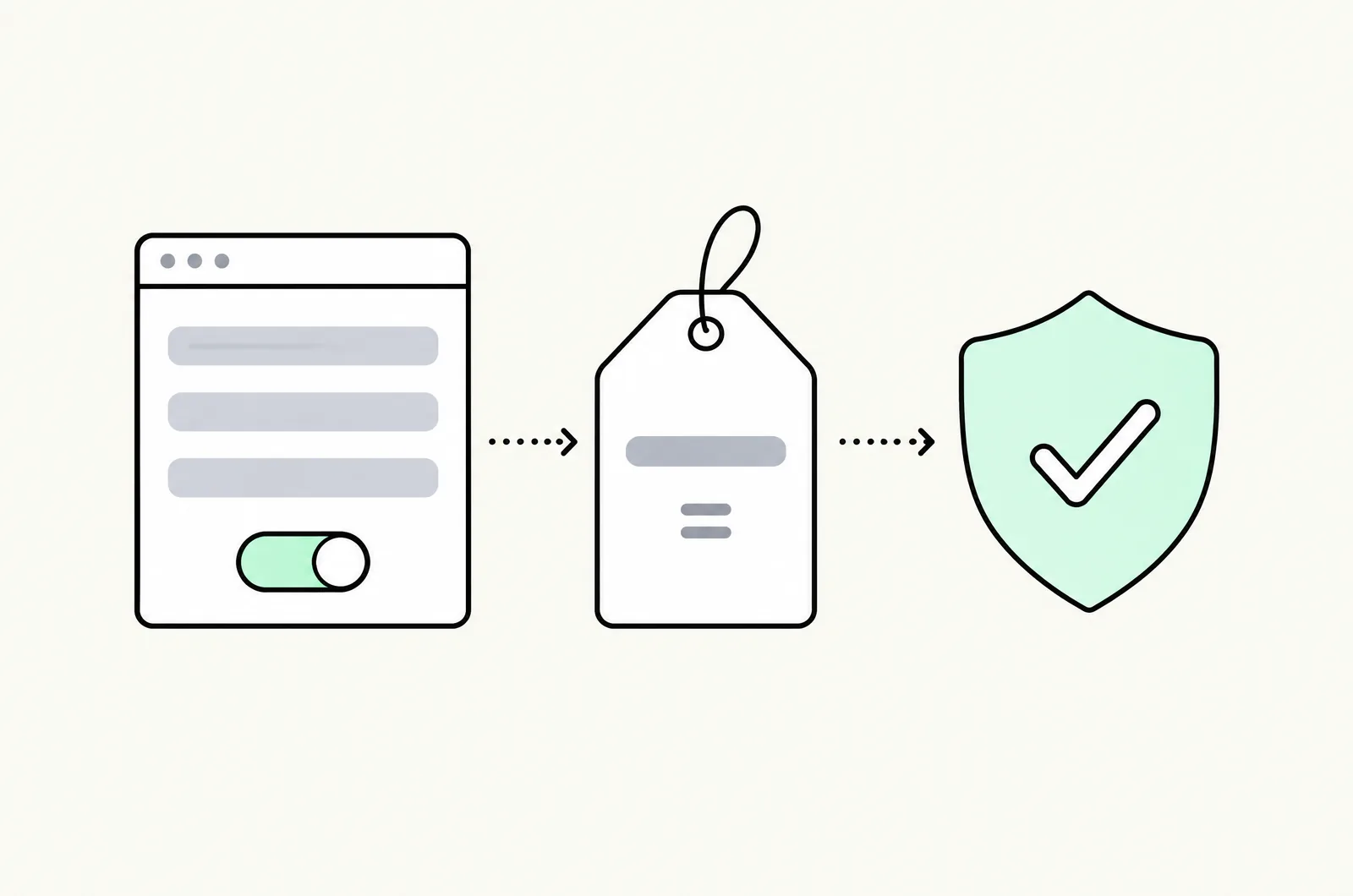
CCPA / CPRA consent and opt-out
We map every pixel, tag and form field to a purpose and add 'Do Not Sell or Share' handling. We honour Global Privacy Control signals and cut fields you can't justify. If you're over the $26,625,000 revenue threshold, or handle data for 100,000+ California consumers, this comes before any ad spend.
SB 478 all-in price display
Since 1 July 2024, a price you advertise to Californians must include every mandatory fee except government taxes and shipping. Ad copy, landing pages and feeds with a 'from' price that hides a resort, dealer or service fee get rebuilt before launch.
Automatic Renewal Law
Subscriptions, memberships and auto-renewing contracts need clear and conspicuous renewal terms, affirmative consent and an easy online cancellation path. Checkout and signup flows are audited against Business & Professions Code §17600 onward.
AB 5 and the in-house question
California's ABC test makes long-running freelance 'employees' a misclassification risk. When you weigh an agency against a hire, the real comparison is a W-2 senior marketer above the $70,304 exempt floor, not a cheap 1099 contractor.
Industry advertising rules
DRE license numbers on first-point-of-contact real estate ads (B&P Code §10140.6). The CMIA for patient data. Medical Board limits on testimonials. Prop 65 warnings on consumer products. Each vertical page lists the rules that apply to it, with sources.
Measurement you can defend
Consent-aware tracking loses some signal by design. We rebuild it with server-side events, offline conversion imports from your CRM, and holdout tests. You get incremental revenue and contribution margin rather than modelled platform ROAS.
Eight metros, eight different markets
What's actually true in each metro decides how much budget it gets. Here's the short version we start every plan from.
Los Angeles
The country's most populous county and its densest advertiser base. Entertainment, real estate, med-spas and DTC brands bid on the same audiences, so creative fatigue arrives fast and the map pack is among the hardest to break into.
San Francisco Bay Area
A $1,325,000 median home price (C.A.R., September 2026) tells you the cost base. B2B software and venture-backed consumer brands set CPCs, and a buyer here often researches through review sites and communities before talking to sales.
San Jose & Silicon Valley
Enterprise buying committees and long sales cycles. Account-based paid social and technical content work better than broad search, and LinkedIn audiences are deep but expensive.
San Diego
A life-sciences and defence economy around Torrey Pines and the Navy, a cross-border market with Tijuana, and a tourism arc that peaks in summer. Bilingual creative and seasonal budgets matter more here than in most metros.
Orange County
Irvine medtech, coastal luxury real estate and multi-location healthcare. High household incomes with lower media density than LA, so the same budget usually buys more share of voice.
Sacramento
The state capital: government, large health systems and a growing trade-school and education market. Lower costs than the Bay Area, and buyers who often care more about local presence than national brand.
Inland Empire
Warehousing, logistics and food processing, plus some of the state's most affordable housing ($601,030 median, C.A.R., September 2026). Spanish-language search and B2B procurement both matter.
Central Valley
Fresno, Bakersfield and Modesto: agriculture, food processing and price-sensitive consumer demand. Cheaper auctions and thinner competition, with buyers who reward plain, specific offers.
From margin audit to incremental results
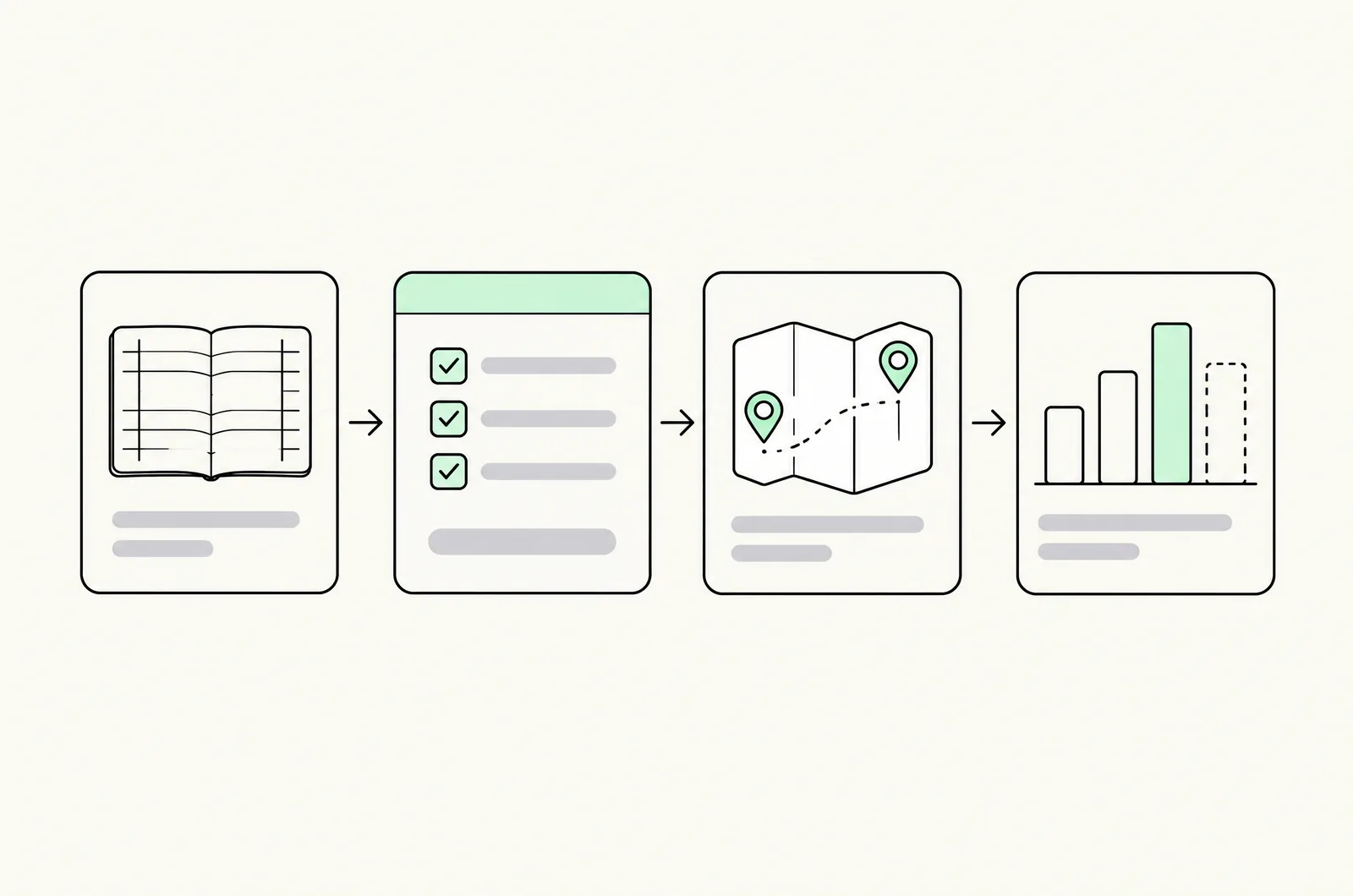
- Step 01
Economics and metro audit
We pull your margins, sales cycle and CRM outcomes by metro. Then we rank metros by contribution, not volume, so the budget follows the customers who actually pay back.
- Step 02
California compliance pass
Consent, tag and form audit for CCPA/CPRA, price display for SB 478, renewal terms, and your industry's advertising rules. Fixes ship before spend scales.
- Step 03
Build by metro and intent
Search campaigns tiered by intent, metro-specific landing pages that pass the swap test, and paid social audiences built from first-party data rather than lookalikes of everyone.
- Step 04
Measure incrementally
Offline conversion imports, geo holdouts where the volume allows, and a monthly report on incremental revenue and contribution margin. Pay-on-results terms are set against the same numbers.
California agency vs out-of-state agency vs an in-house hire
How the three options compare for a California company. In-house costs are directional and depend on seniority and metro.
Knows California ad and privacy law
- Out-of-state agency
- Rarely
- In-house California hire
- Depends on the hire
- Conversion (San Francisco)
- Yes
Plans budget metro by metro
- Out-of-state agency
- One 'US' or 'CA' campaign
- In-house California hire
- Limited bandwidth
- Conversion (San Francisco)
- Yes
Senior people on the account
- Out-of-state agency
- Often junior after the pitch
- In-house California hire
- One person, one skill set
- Conversion (San Francisco)
- Yes
SEO, paid, social and CRO in one team
- Out-of-state agency
- Usually siloed
- In-house California hire
- Requires several hires
- Conversion (San Francisco)
- Yes
Reports contribution margin
- Out-of-state agency
- Platform ROAS
- In-house California hire
- Varies
- Conversion (San Francisco)
- Yes
AB 5 / payroll exposure
- Out-of-state agency
- None
- In-house California hire
- W-2 above $70,304 exempt floor
- Conversion (San Francisco)
- None (agency contract)
Typical monthly cost
- Out-of-state agency
- $3,000–$15,000 fee
- In-house California hire
- $12,500+ fully loaded (directional)
- Conversion (San Francisco)
- From $4,500 fee
Our published results, and why they carry over
All three are national or international clients, not California ones. Each card says what carries over to a California account.
- DTC apparel · national
$8.5M
Gross sales, +37% YoY
Actively Black: scaling past retargeting
Cold-traffic paid social and search grew gross sales 37% in 2025 while returns rose only 4%. The same move works for California consumer brands stuck re-buying their own warm audience.
- B2B demand gen · national
388%
Conversions in 90 days
NP Digital: intent-tiered search
An intent-tier Search rebuild and weekly negatives lifted conversions 388% while CPA fell 70%. It's the structure we use for Bay Area B2B software, where wasted clicks cost the most.
- Regulated fintech · Canada
4x
App user base
NDAX: one strategy across channels
Apple Search Ads, Meta and Reddit, run as one plan in a regulated category. The relevance here is compliance-constrained acquisition, which is most of California marketing.
What a California program costs
Fees are in USD and exclude media. Higher Bay Area and LA auction costs change the media budget a plan needs, not our fee.

Single channel
From $4,500/mo
One channel · statewide or one metro
SEO, paid search or paid social for one California market, with the compliance pass and margin reporting included. Media budget is separate and stays in your accounts.
- CCPA/CPRA tag and form audit
- Metro ranking by contribution
- Monthly margin report
- Most popular
California growth program
$9,000–$18,000/mo
2–4 channels · multi-metro
Search, social, SEO and CRO run as one plan across the metros that pay back, with metro landing pages and offline conversion imports from your CRM.
- Metro-specific landing pages
- Offline conversion imports
- Quarterly geo holdout test
Pay-on-results
Base + share
Qualifying accounts
A lower base fee plus a share of incremental contribution margin, measured against a baseline we agree before launch. It needs clean conversion data and enough volume to measure.
- Baseline agreed up front
- Paid on incremental margin
- Same reporting, shared risk
California marketing questions

What does a California digital marketing agency do differently from a national one?
Do you have offices in Los Angeles or San Diego?
Does the CCPA apply to my company?
How does SB 478 change what I can put on a landing page?
Is hiring an in-house marketer cheaper than an agency in California?
How much does a California marketing agency cost?
Which California industries do you work with?
Which California metros should I target first?
Can you guarantee first-page rankings in California?
How do you measure results when consent rules block tracking?
Where to go from here
Real estate marketing in California
DRE disclosure, AB 723 photo rules, listing season and Measure ULA, metro by metro.ExploreLuxury & coastal brokerage marketing
Off-market buyers, $5M+ listings and the Westside, Montecito and Marin markets.ExploreManufacturing marketing in California
RFQ pipeline, spec SEO and account-based campaigns for California manufacturers.ExploreHealthcare marketing in California
Patient acquisition under the CMIA and B&P §651, plus dental, fertility and med-spa pages.ExploreSEO agency
Technical, content and AI search SEO, the organic layer of every California plan.ExploreCase studies
Named clients, one headline number each, and the mechanism behind it.Explore
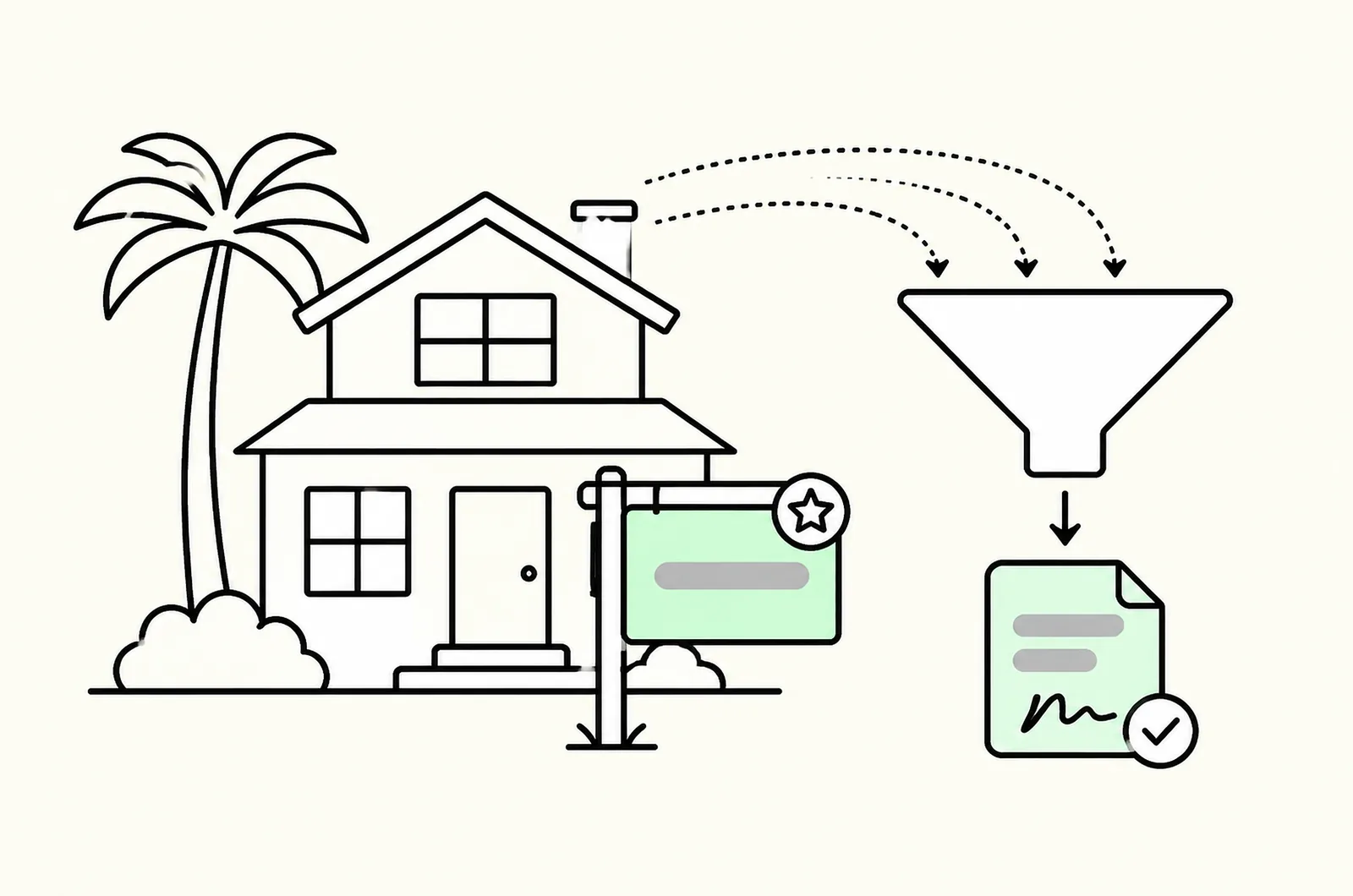




Where the numbers come from
Every threshold and market figure on this page, with its primary source.
Facts and thresholds last checked 19 November 2026.
- California Privacy Protection Agency — 2025 CCPA monetary threshold adjustmentsAnnual gross revenue threshold for a covered 'business': $26,625,000 (Civil Code §1798.140(d)(1)(A)).
- CalChamber — California 2026 minimum wage increases to $16.90 per hourExempt salary floor = 2 × $16.90 × 2,080 = $70,304 a year from 1 January 2026.
- California Association of REALTORS® — September 2026 home sales and price report (via National Mortgage Professional)Statewide median $899,720; Bay Area $1,325,000; Inland Empire $601,030.
- California Attorney General — SB 478 hidden fees (Honest Pricing Law) FAQAdvertised prices must include all mandatory fees except government taxes and shipping, from 1 July 2024.
- California Business & Professions Code §17602 — Automatic Renewal Law
- California Labor & Workforce Development Agency — Employment status (AB 5 ABC test)
- California DRE — RE 559 license and advertising disclosure chartBusiness & Professions Code §10140.6 and 10 CCR §2773: name and license number on first-point-of-contact materials.
Talk to the San Francisco team
30 minutes with a senior strategist. Bring your industry, your metros and, if you have them, margins and CRM outcomes.
What happens next
- 1Pick a time for a 30-minute call.
- 2We review your metros, channels and California compliance gaps.
- 3You get a metro-ranked plan with a margin target attached.
Prefer email? tarun@conversion.is