EV & charging
EV and charging marketing after the federal credit
Installs, sessions and sales for California EV and charging companies, sold on total cost and charging access.
Trusted by 50+ D2C brands · Google, Meta & Shopify partners












From a record quarter to a harder sell
San Francisco, CA
EV markets statewide
Incentive-accurate
Dated and sourced
Installs and sales
Not clicks
In the third quarter of 2025, zero-emission vehicles were 29.1% of new car sales in California, a record, as buyers rushed to claim the federal tax credit before it ended on 30 September. In the first quarter of 2026, the share was 13.8%. By the second quarter it was back to 17.8%, according to dealer-association data. California has sold more than 2.5 million ZEVs in total, but the buyer who's left is more price-conscious and needs a better reason.
For EV brands, charging networks and installers, that changes the message. 'Get $7,500 back' is gone. What sells now is total cost of ownership, convenient charging at home and on the road, utility rates that make home charging cheap, and the state and utility incentives that still exist. Those programmes change often, so marketing that quotes last year's incentive misleads people.
We work with EV and charging companies as part of automotive marketing in California, from our San Francisco office. The work is demand generation for electrification, with incentive content that's dated, sourced and kept current, and reporting on installs, sessions and sales.
Three things EV companies have to adjust to
Each one changes the message buyers need.
The headline incentive disappeared
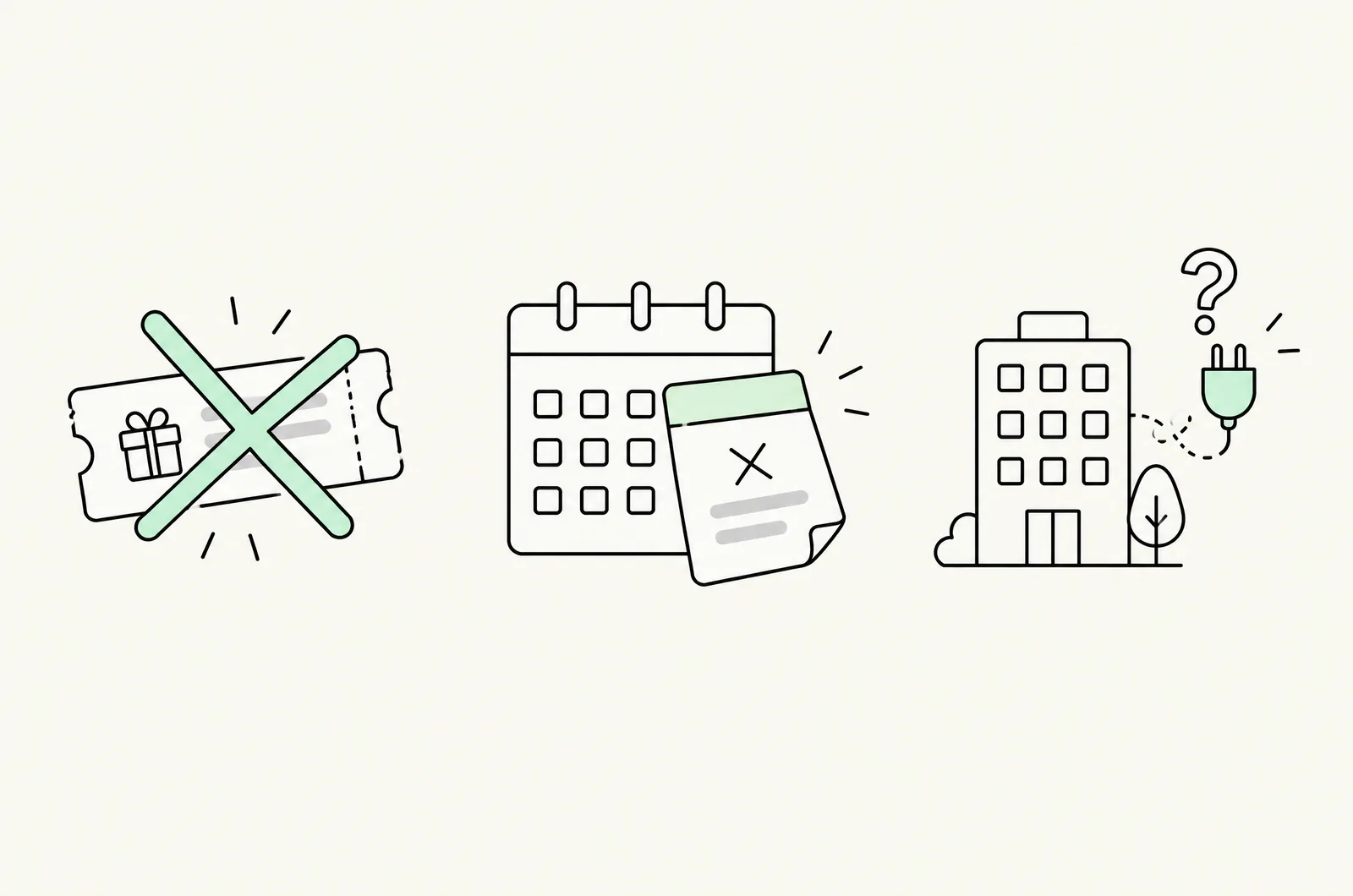
Many EV campaigns were built around the federal credit. After it ended on 30 September 2025, sales dropped sharply and buyers became more cautious. Messaging has to move to total cost of ownership, charging convenience and the state and utility programmes that remain, with clear, honest numbers.
Incentive claims go out of date fast
State, air-district and utility rebates and rate plans change, run out of funds or shift eligibility. A landing page quoting an expired rebate misleads buyers and can breach advertising law. Incentive content needs dates, sources and a regular review cycle.
Charging is the real objection
For many buyers, especially in apartments and condos, the question isn't the car; it's where they'll charge. Charging networks, installers and EV brands that answer that question clearly, by building type and neighbourhood, win buyers others lose.
Six pieces of work, consumer to fleet
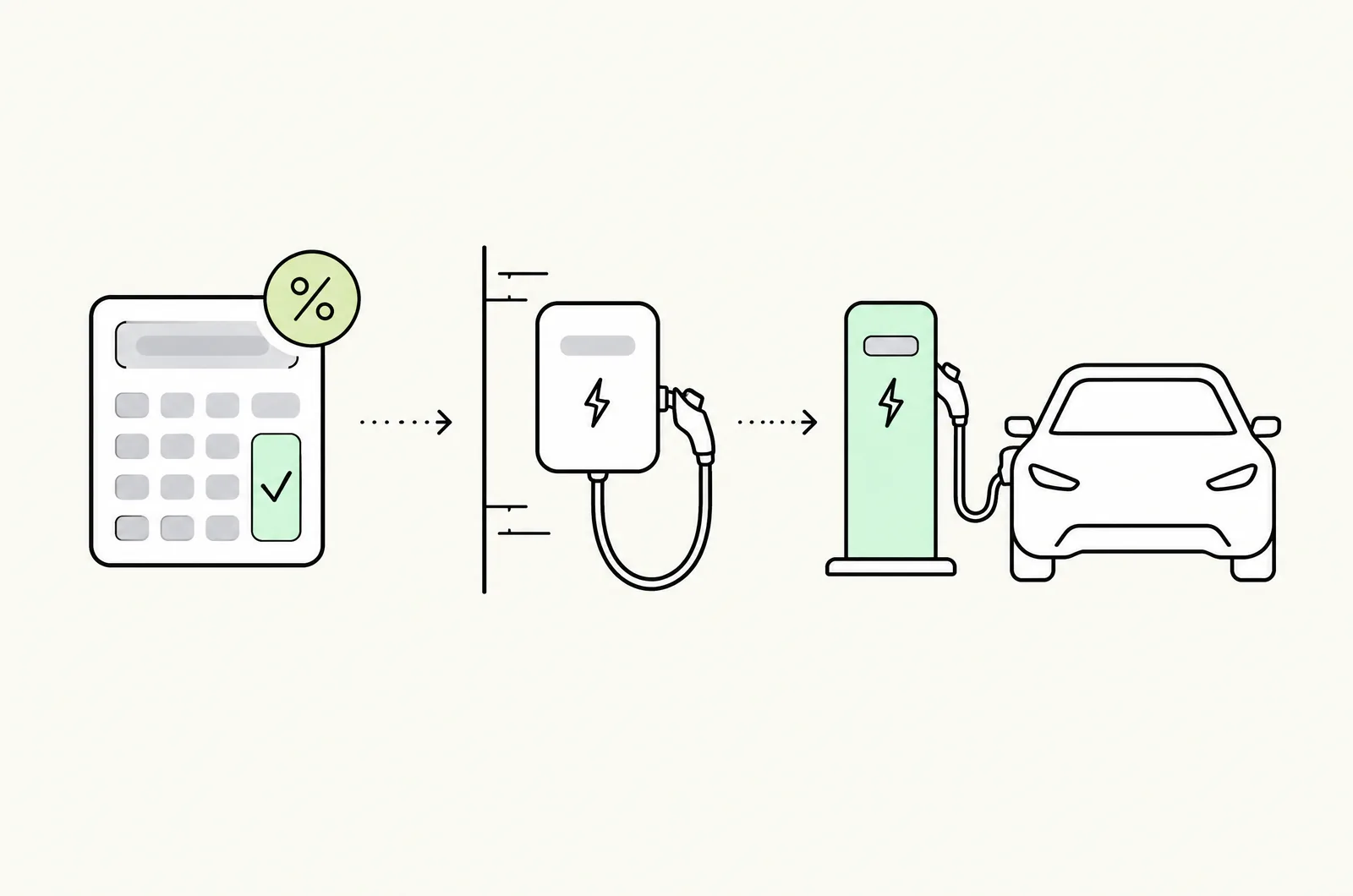
Total-cost-of-ownership content
Calculators and pages comparing purchase, fuel or electricity, maintenance and incentives over time, with assumptions shown.
Incentive pages kept current
State, air-district and utility incentive pages with dates, sources and a monthly review, so nothing quoted is expired.
Home-charger installer lead generation
Search and social for home-charger installation by utility territory, home type and panel-upgrade needs.
Multifamily and workplace charging
B2B campaigns to property managers, HOAs and employers for shared charging, a growing California market.
Charging-network acquisition
App installs, membership sign-ups and location awareness for charging networks, measured on active users and sessions.
Fleet electrification
Account-based campaigns to fleet operators facing California's zero-emission fleet planning, with total-cost cases.
Five EV markets, five charging situations
How EV buyers and charging needs differ across California.

San Francisco Bay Area
The state's most established EV market, where many buyers are on their second or third EV. Charging convenience and new technology matter more than incentives.
Los Angeles
The largest EV market by volume, with many apartment dwellers. Public and multifamily charging is the key objection to answer.
Orange County & San Diego
Homeowners with solar and space for home chargers, plus luxury EV buyers. Solar-plus-charging bundles and home installation sell.
Sacramento
Utility-led EV programmes and state fleets. Commuters to the Bay Area weigh fuel savings on long drives.
Inland Empire & Central Valley
Long commutes, hot summers and price-sensitive buyers, plus logistics fleets. Total-cost and used-EV messaging work better than premium positioning.
From incentive audit to installs and sales
- Step 01
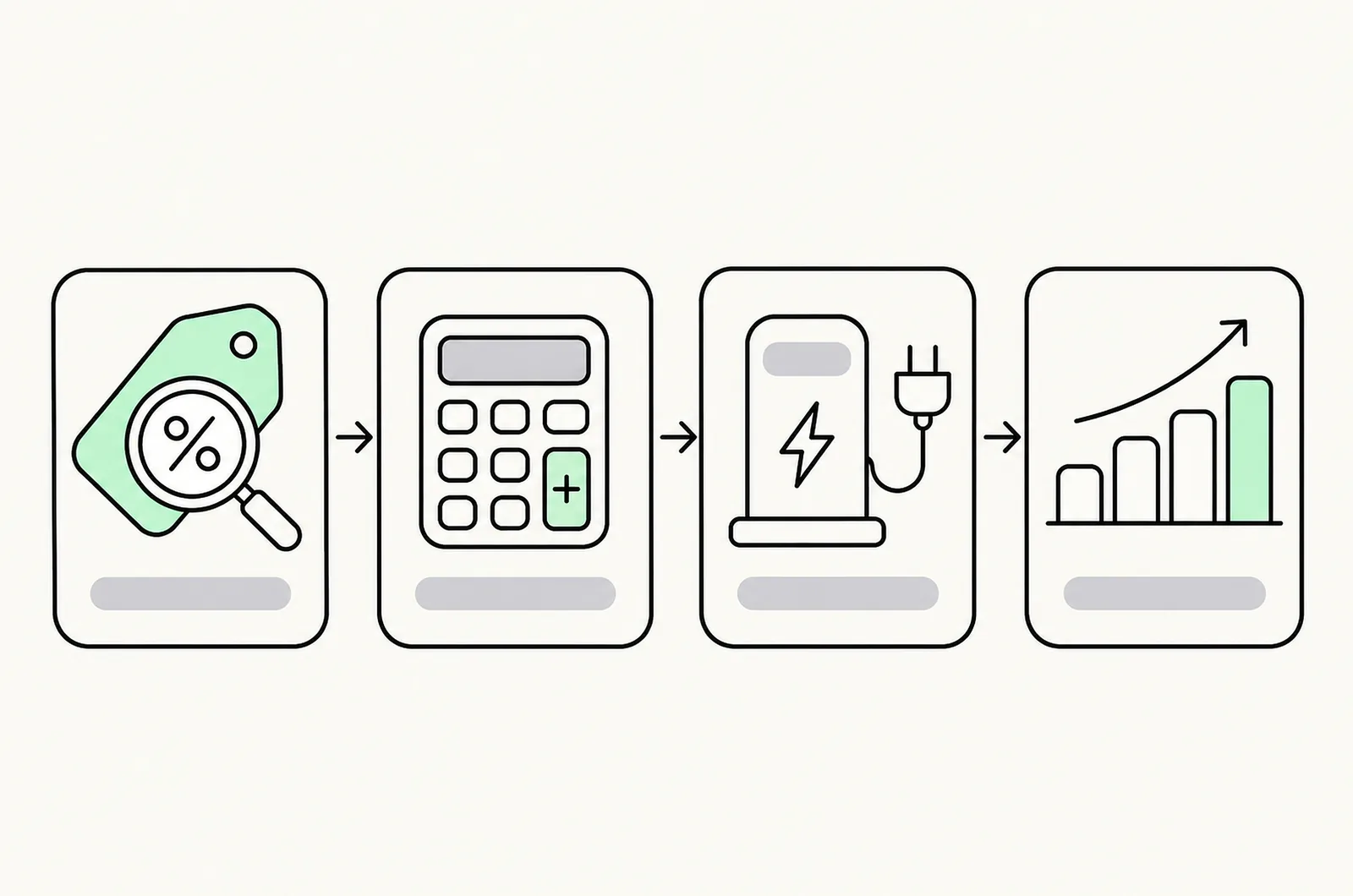
Message and incentive audit
Every claim, incentive and price on your site and ads checked for accuracy and dates.
- Step 02
Rebuild around total cost
Total-cost-of-ownership content, current incentive pages and charging-access answers by home type.
- Step 03
Run demand generation
Search, social and B2B campaigns for your buyers, from homeowners to fleet managers.
- Step 04
Report installs and sales
Monthly installs, sessions, memberships or sales by source.
An EV specialist vs a general agency vs an in-house marketer
In-house costs are directional and depend on seniority and metro.
Incentive content dated, sourced and reviewed
- General marketing agency
- Copied once
- In-house California hire
- Varies
- Conversion (San Francisco)
- Yes
Total-cost-of-ownership calculators
- General marketing agency
- Rarely
- In-house California hire
- If engineers have time
- Conversion (San Francisco)
- Yes
Multifamily and workplace B2B campaigns
- General marketing agency
- Consumer-only
- In-house California hire
- Limited
- Conversion (San Francisco)
- Yes
Charging-access messaging by home type
- General marketing agency
- Generic
- In-house California hire
- Varies
- Conversion (San Francisco)
- Yes
Reports installs, sessions or sales
- General marketing agency
- Clicks
- In-house California hire
- Spreadsheet
- Conversion (San Francisco)
- Yes
Typical monthly cost
- General marketing agency
- $3,000–$15,000 fee
- In-house California hire
- $12,000+ per marketer (directional)
- Conversion (San Francisco)
- From $5,000 fee
App acquisition, honestly compared
- App acquisition · Canada
4x
App user base
NDAX: app acquisition across channels
NDAX is a Canadian fintech app, not an EV or charging company, and not a California client. What carries over to charging networks, which grow through app installs and active users, is app acquisition: Apple Search Ads, Meta and Reddit run as one plan with remarketing grew the user base 4x.
What EV marketing costs in California
USD, excluding media.
EV foundation
From $5,000/mo
One product or territory
Message and incentive audit, total-cost content, one demand channel and install or sales reporting. Media is separate.
- Incentive audit
- Total-cost content
- Installs or sales report
- Most popular
Electrification program
$10,000–$20,000/mo
Consumer + B2B
Consumer demand plus multifamily, workplace or fleet campaigns, with monthly incentive reviews and multi-territory reporting.
- B2B charging campaigns
- Monthly incentive review
- Multi-territory reporting
Pay-on-results
Base + per install
Qualifying companies
A lower base plus a fee per attributed install, membership or sale above an agreed baseline.
- Baseline agreed up front
- Paid per install or sale
- Same reporting
EV and charging marketing questions

How did the end of the federal EV credit affect California?
What EV incentives are still available in California?
How should EV brands market without the federal credit?
How do home-charger installers get more customers?
Is multifamily charging a good market?
Which California EV markets do you work in?
How much does EV and charging marketing cost?
How do you keep incentive claims accurate?
Related automotive pages

Sources and statutes
Every figure and regulation cited on this page.
Facts and thresholds last checked 19 November 2026.
- California Energy Commission — California surpasses 2.5 million ZEV sales (January 2026)ZEVs were 29.1% of new sales in Q3 2025, a record before the federal credit ended on 30 September 2025, then 18.9% in Q4 2025.
- Ford Authority — EV sales in California after the federal credit (CNCDA data)California EV share fell to 13.8% in Q1 2026 and recovered to 17.8% in Q2 2026; registrations down 24.9% in H1 2026.
Rebuild your EV message
30 minutes with a senior strategist. We'll review your incentive claims and buyer journey.
What happens next
- 1Pick a time for a 30-minute call.
- 2We audit claims, incentives and channels.
- 3Get a plan built on total cost and charging.
Prefer email? tarun@conversion.is