Dealer groups
Dealer group marketing, run as one system
One pricing standard, shared programmes and one gross report for California's multi-rooftop dealer groups.
Trusted by 50+ D2C brands · Google, Meta & Shopify partners










Fourteen rooftops, fourteen pricing disclaimers
San Francisco, CA
Groups statewide
One pricing standard
CARS Act across stores
Group gross
Not store leads
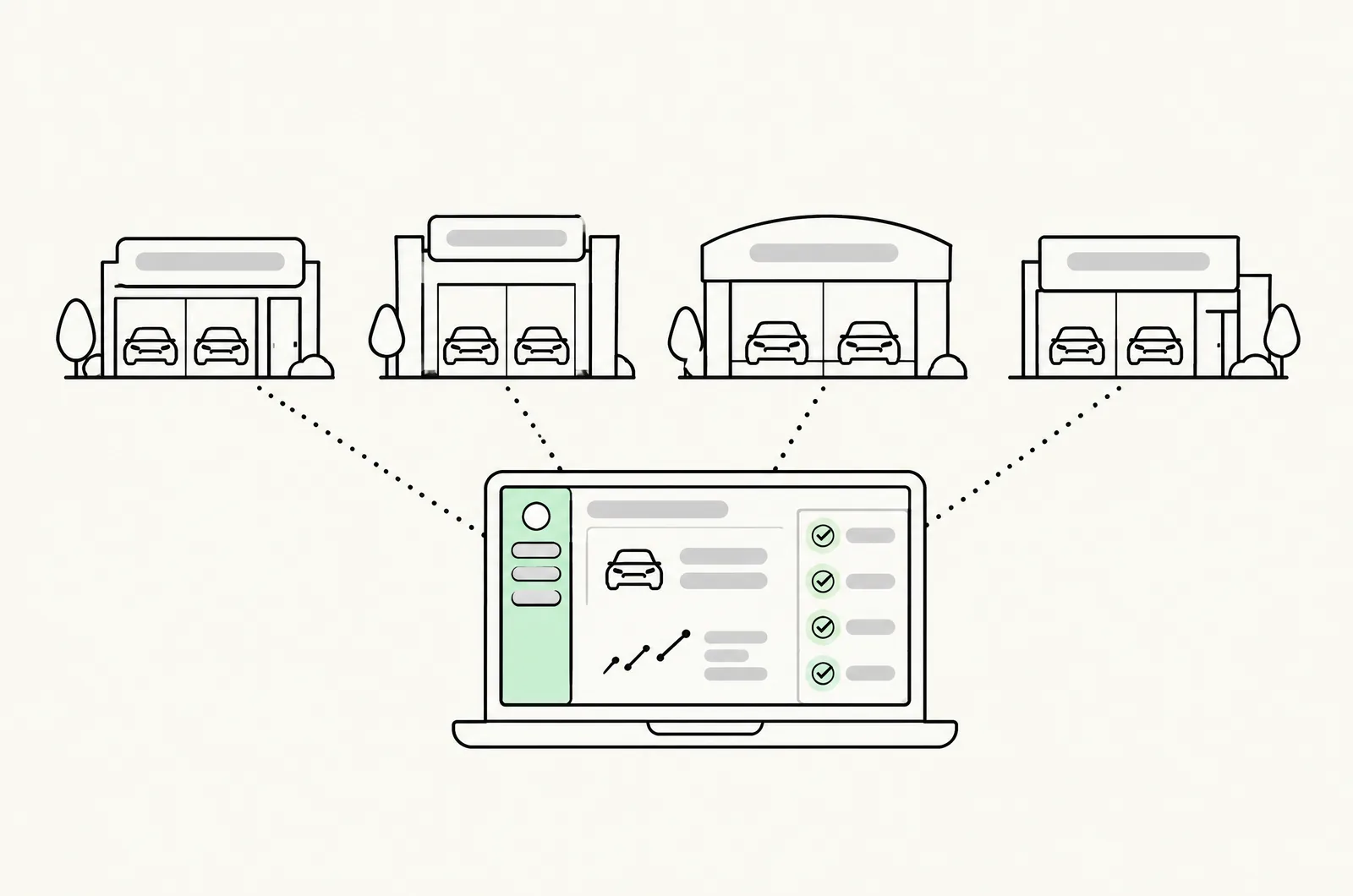
A dealer group with fourteen rooftops in Southern California can have fourteen versions of its pricing disclaimer, three website platforms, five agencies and no single view of which channels sell cars. Since the CARS Act took effect on 1 October 2026, inconsistent pricing is more than untidy: one store's feed that drops a mandatory add-on exposes the whole group.
The group's advantage is scale. It can move budget to the store with aged inventory, share a service-lane programme across brands, negotiate media as one buyer and see which channels produce gross across every rooftop. Most groups don't use that advantage because each store's marketing was set up separately, often by OEM-certified vendors working to different playbooks.
We work with dealer groups as part of automotive marketing in California, from the San Francisco team. The job is group-level: one pricing standard, one data model, shared programmes and budgets that follow inventory and margin across stores, within each brand's co-op and identity rules.
Three ways groups waste their scale
Each one is a group problem that store-level vendors can't fix.

Pricing compliance varies store by store
Different website platforms, inventory feeds and vendors mean each rooftop shows prices and add-ons differently. Under the CARS Act, every store's ads must show the total price, label optional add-ons and include used-car return-right information. One non-compliant store becomes a group problem, so the standard has to be set and checked centrally.
Budgets don't follow inventory
Store budgets are usually fixed monthly, so one rooftop with aged inventory can't borrow spend from another that's sold out. Groups end up overspending on stores that don't need it and underspending where units are sitting. Group-level budgeting tied to days' supply and gross fixes that.
No one sees the whole group
With several agencies, CRMs and DMS setups, few groups can say which channels produce sold units and gross across all stores. Co-op claims go unfiled, duplicate leads inflate numbers, and decisions rely on each vendor's own reports. A single data model is the foundation for everything else.
Six pieces of work across every rooftop
Group pricing standard
One CARS Act-compliant pricing, add-on and return-right standard across every rooftop's site, feed and ads, checked monthly.
Inventory-led budgeting
Budgets moved weekly between rooftops and models by days' supply and gross, within each brand's co-op rules.
Group Vehicle Listing Ads and search
Inventory feeds and search across every store, with shared negatives and group-level conquest campaigns.
Shared service-lane programme
Service, parts and recall campaigns run across brands, so the group keeps service customers in its own network.
Co-op tracking and claims
Campaign records and documentation that make co-op claims easy, so reimbursement isn't lost store by store.
Group data model and reporting
One reporting view of leads, sold units, gross and repair orders by source and store, from your DMS and CRMs.
Five group markets, five mixes of brands
Where California's dealer groups operate, and what group-level marketing changes.
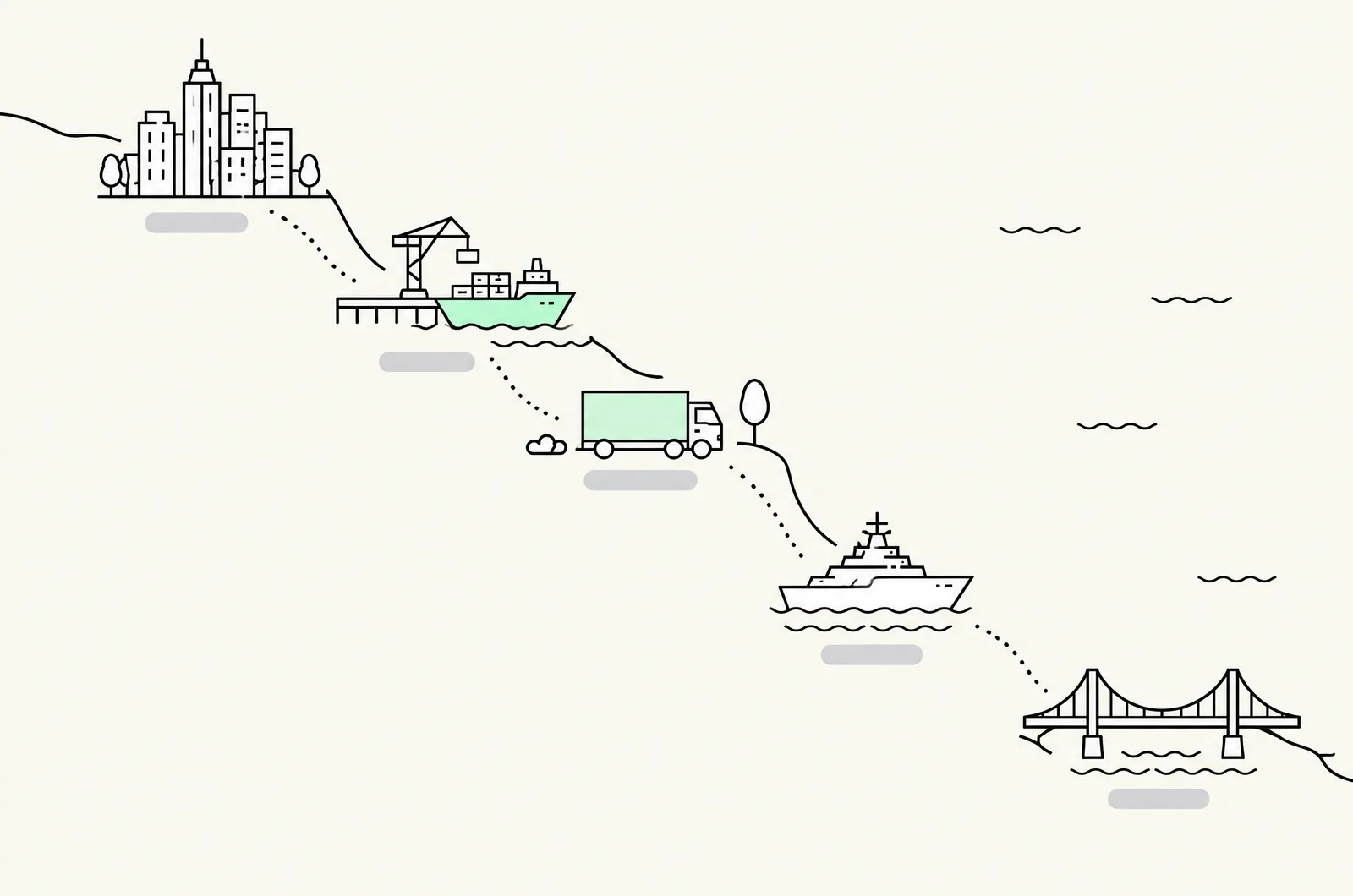
Los Angeles
The densest concentration of dealer groups in the state, with stores competing for the same shoppers. Group conquest and shared service networks matter most.
Orange County
Luxury and import brand groups with high lease penetration. Lease-end loyalty across brands keeps customers in the group.
Inland Empire
Fast-growing groups with truck, SUV and used-car volume. Inventory-led budgeting matters as days' supply varies widely.
San Diego
Groups selling to military and cross-border buyers. Shared credit, military and finance content serves every store.
Bay Area & Sacramento
Groups with strong EV and hybrid mix. Shared EV education and charging content across brands saves each store building its own.
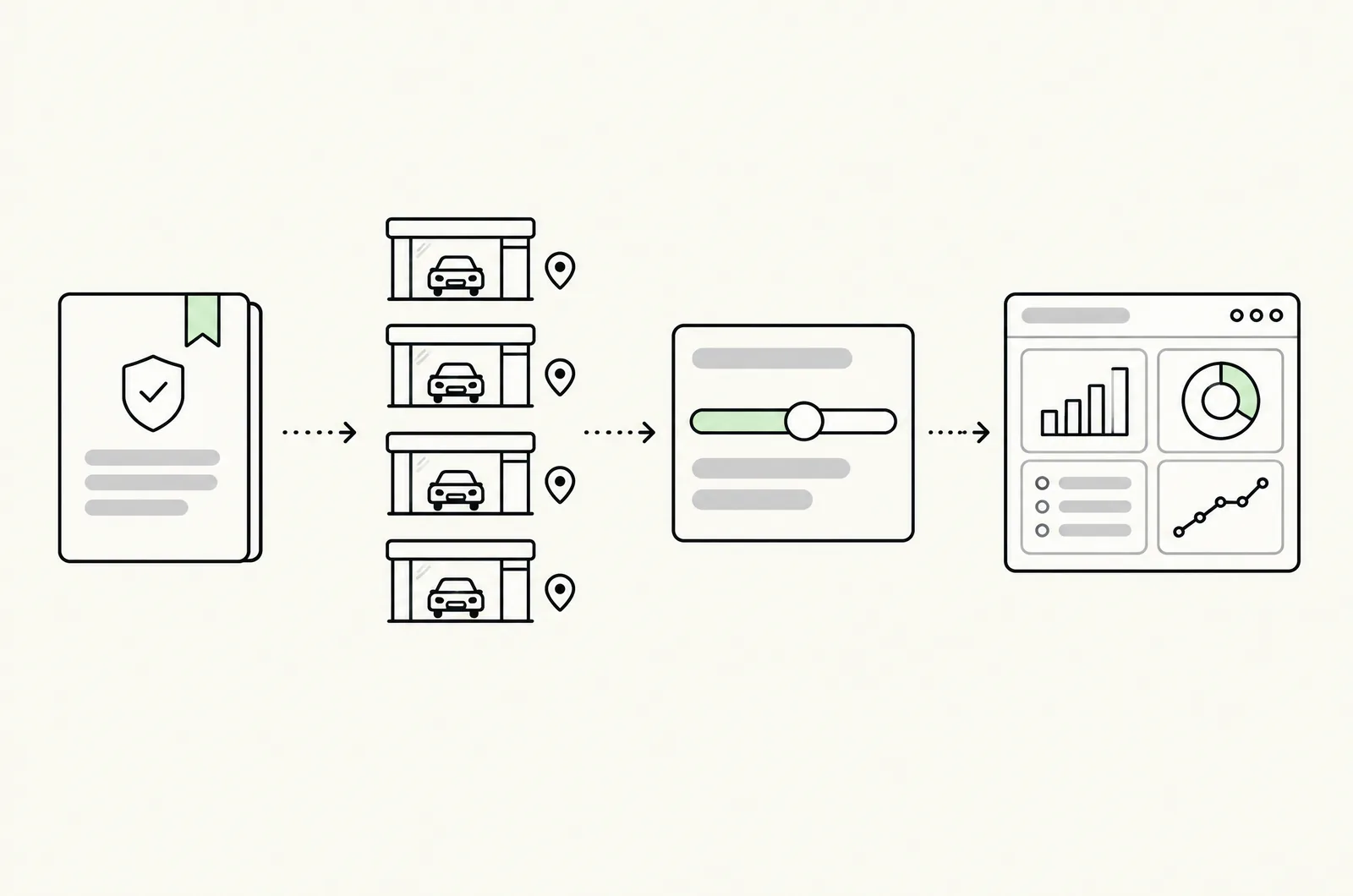
From group audit to group gross
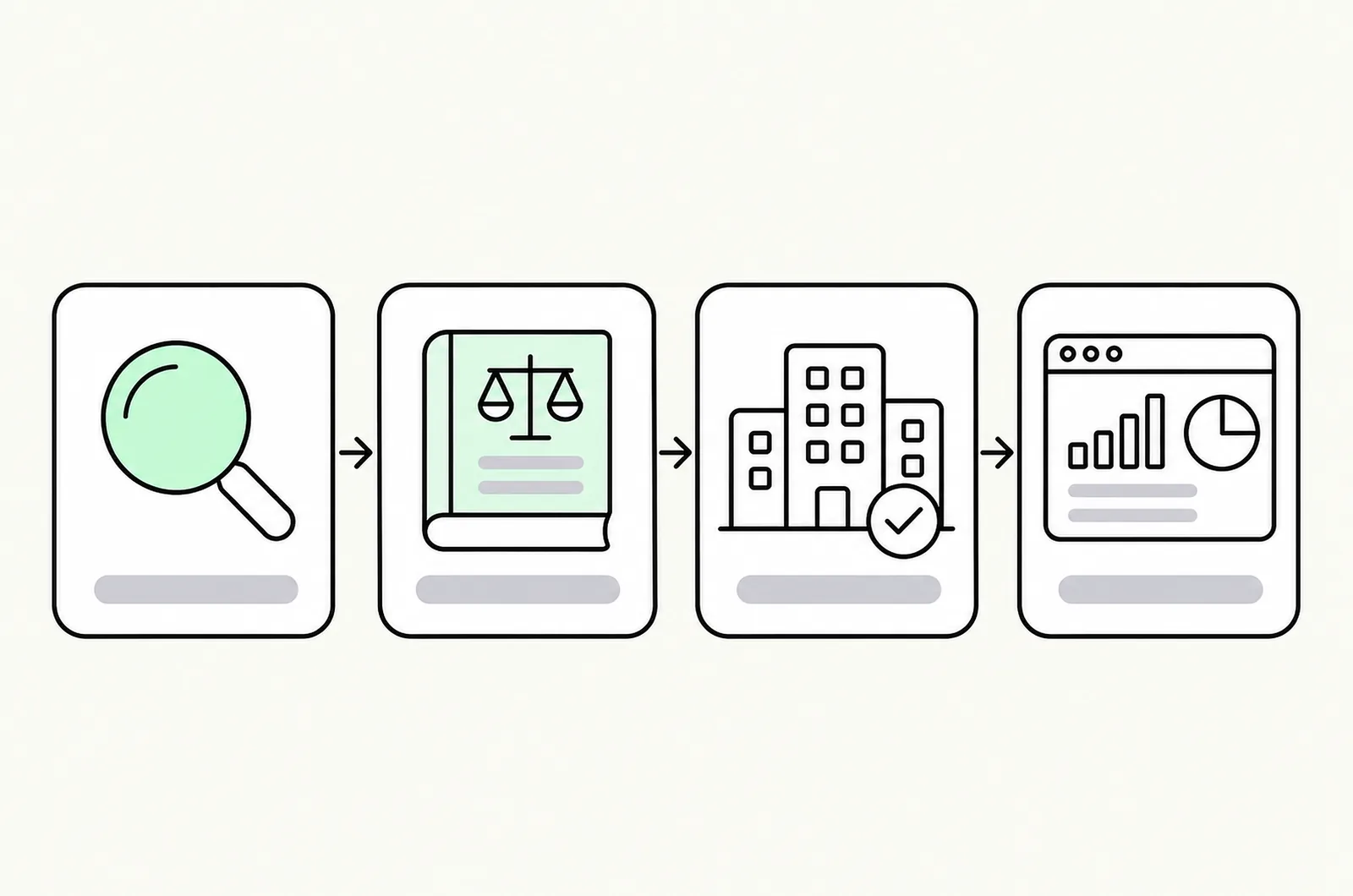
- Step 01
Group audit
Pricing, feeds, vendors, budgets and data sources across every rooftop.
- Step 02
Set the standard
One CARS Act pricing standard and one data model, applied to every store.
- Step 03
Run group programmes
Inventory-led budgeting, group search and feeds, shared service and co-op tracking.
- Step 04
Report group gross
Monthly sold units, gross and repair orders by source and store, in one view.
A group specialist vs per-store vendors vs an in-house team
In-house costs are directional and depend on seniority and metro.
One CARS Act pricing standard across stores
- Per-store vendors
- Varies by vendor
- In-house California hire
- Hard to enforce
- Conversion (San Francisco)
- Yes
Budgets that follow days' supply
- Per-store vendors
- Fixed per store
- In-house California hire
- Spreadsheet
- Conversion (San Francisco)
- Yes
Shared service-lane programme
- Per-store vendors
- Per-store vendors
- In-house California hire
- Varies
- Conversion (San Francisco)
- Yes
Co-op claims tracking
- Per-store vendors
- Often missed
- In-house California hire
- Manual
- Conversion (San Francisco)
- Yes
One group report on units and gross
- Per-store vendors
- Each vendor's report
- In-house California hire
- BI project
- Conversion (San Francisco)
- Yes
Typical cost
- Per-store vendors
- $2,000–$10,000 per rooftop
- In-house California hire
- $15,000+ per team member (directional)
- Conversion (San Francisco)
- From $2,500/rooftop/mo
One structure, many markets
- Multi-market search · national
95%
Brand impression share
NP Digital: one structure across markets
NP Digital isn't a dealer group or a California client, and we have no published automotive result. What carries over is running brand and non-brand search as one structure across several markets, holding 95% brand impression share while conversions rose 388%. Groups need that consistency across rooftops.
Priced per rooftop or per group
USD, excluding media. We work within each brand's co-op guidelines.
Per rooftop
From $2,500/mo
Per store · minimum 4 rooftops
Group pricing standard, Vehicle Listing Ads and search per store, and group reporting. Media is separate.
- Group pricing standard
- Per-store search and feeds
- Group gross report
- Most popular
Group program
$15,000–$35,000/mo
Whole group
Everything per rooftop, plus inventory-led budgeting, shared service programme, co-op tracking and a single data model.
- Inventory-led budgeting
- Shared service programme
- Co-op claims tracking
Pay-on-results
Base + per unit
Qualifying groups
A lower base plus a fee per attributed sold unit above an agreed group baseline.
- Baseline agreed up front
- Paid per sold unit
- Same reporting
Dealer group marketing questions

How should a dealer group manage marketing across many rooftops?
What does the CARS Act mean for dealer groups?
Can budgets move between dealerships in a group?
How do you handle OEM co-op advertising for groups?
Which California dealer-group markets do you work in?
How much does dealer group marketing cost?
Do you replace our existing vendors?
How do you measure dealer group marketing?
Related automotive pages
Sources and statutes
Every figure and regulation cited on this page.
Facts and thresholds last checked 19 November 2026.
- Senator Ben Allen — California CARS Act (SB 766) signed into lawSigned 6 October 2025, in force 1 October 2026: advertised vehicle prices must show the total price; worthless add-ons banned; optional add-ons disclosed; 3-day return on most used cars.
- Comply Auto — California enacts the CARS Act, overhauling vehicle sales and leasing rules
See your group in one report
30 minutes with a senior strategist. Tell us how many rooftops, brands and vendors you run.
What happens next
- 1Pick a time for a 30-minute call.
- 2We review pricing, vendors and data across stores.
- 3Get a group-level plan.
Prefer email? tarun@conversion.is