Food & beverage \u00b7 California
Marketing for California food and beverage processors, from field to shelf
Retail listings, distributor accounts and co-pack contracts for California processors and CPG brands, with claims that hold up.
Trusted by 50+ D2C brands · Google, Meta & Shopify partners










A new rule, a new sales conversation
San Francisco, CA
Valley to coast
Trade + shopper
Buyers and brand
Compliance-ready
AB 418 · Prop 65 · FSMA 204
From 1 January 2027, food sold in California can't contain brominated vegetable oil, potassium bromate, propylparaben or Red Dye No. 3, under AB 418, the California Food Safety Act. National brands are reformulating, and retailers are asking suppliers for proof. For a California processor that never used those additives, it's a selling point. For one that did, it's a deadline with a label change and a marketing story attached.
Food and beverage marketing in California runs on two fronts at once. One is trade: winning shelf space, distributor listings and foodservice menus from buyers who care about margin, velocity, food safety and paperwork. The other, for brands with their own label, is the shopper, who reads claims and sourcing more closely in California than almost anywhere. Both sit under rules that don't apply in most states.
We run food and beverage as part of manufacturing marketing in California, from the San Francisco team. The work covers trade marketing and buyer pipeline, compliant DTC and retail support, and the sourcing story behind a state with $61.2 billion in farm cash receipts in 2024.
Three things reshaping food and beverage sales
Each one changes what grocery and foodservice buyers ask, and what you can say to shoppers.

Category buyers want proof, not pitches
Grocery and foodservice buyers review dozens of new items each cycle and pick on margin, velocity and risk. A sell sheet and a sample box rarely cut through. You need a trade site with specs, certifications, traceability and promotional plans that a buyer can forward to their team, plus targeted outreach timed to category review windows.
California labels carry legal weight
AB 418's ban takes effect in January 2027, Prop 65 warnings apply to online sales when required, and claims like 'natural', 'compostable' or 'sustainably sourced' draw private enforcement and class actions here. Product pages, Amazon listings and ads have to match the label exactly. A single unwarned product page can bring a 60-day notice.
Traceability is becoming a sales requirement
The FDA's Food Traceability Rule under FSMA 204 now applies from 20 July 2028, covering foods on its traceability list such as leafy greens, fresh-cut produce and some cheeses and seafood. Large retailers are already asking suppliers for traceability data. Processors who can show it early win listings from those who can't, but only if the buyer knows.
Seven pieces of work, trade to shelf
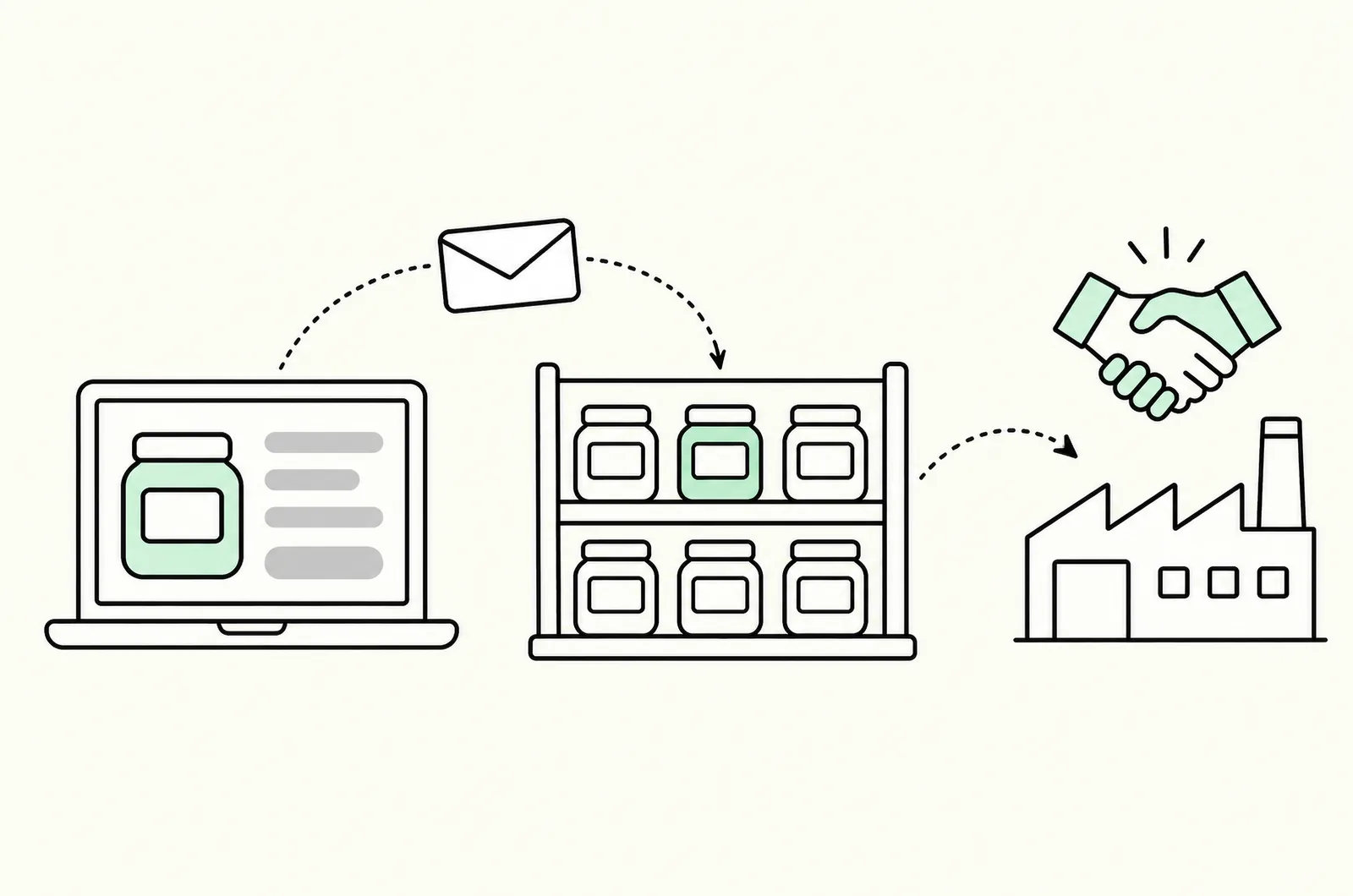
Trade website and buyer portal
Item specs, nutrition panels, certifications, traceability capability and case-pack data in one place a category buyer can use. A PDF sell sheet gets lost in an inbox; a link gets shared.
Category-buyer and distributor outreach
LinkedIn, email and event campaigns to category managers, foodservice distributors and brokers, timed to category review calendars. Missing a review window means waiting a year.
Co-packing and private-label lead generation
Search and content for brands looking for a California co-packer or private-label partner, by capability, certification and run size. These buyers search directly and convert well.
AB 418 and reformulation messaging
'Made without' and reformulation messaging that's accurate and label-consistent, for retail and shopper audiences. Overclaiming invites the same scrutiny the law was meant to answer.
Prop 65-compliant DTC and Amazon pages
Product pages and listings with warnings where required, consistent with your label and Prop 65 counsel. Retailer and Amazon compliance teams increasingly check before listing.
Retail support and shopper marketing
Store locators, geo-targeted campaigns around new doors, and retailer promotion support, so a new listing sells through. A slow first 90 days on shelf can lose the slot.
Sourcing and origin storytelling
Grower, region and processing stories with verifiable claims, for trade and shoppers. 'California grown' carries weight, but only if each claim can be backed up.
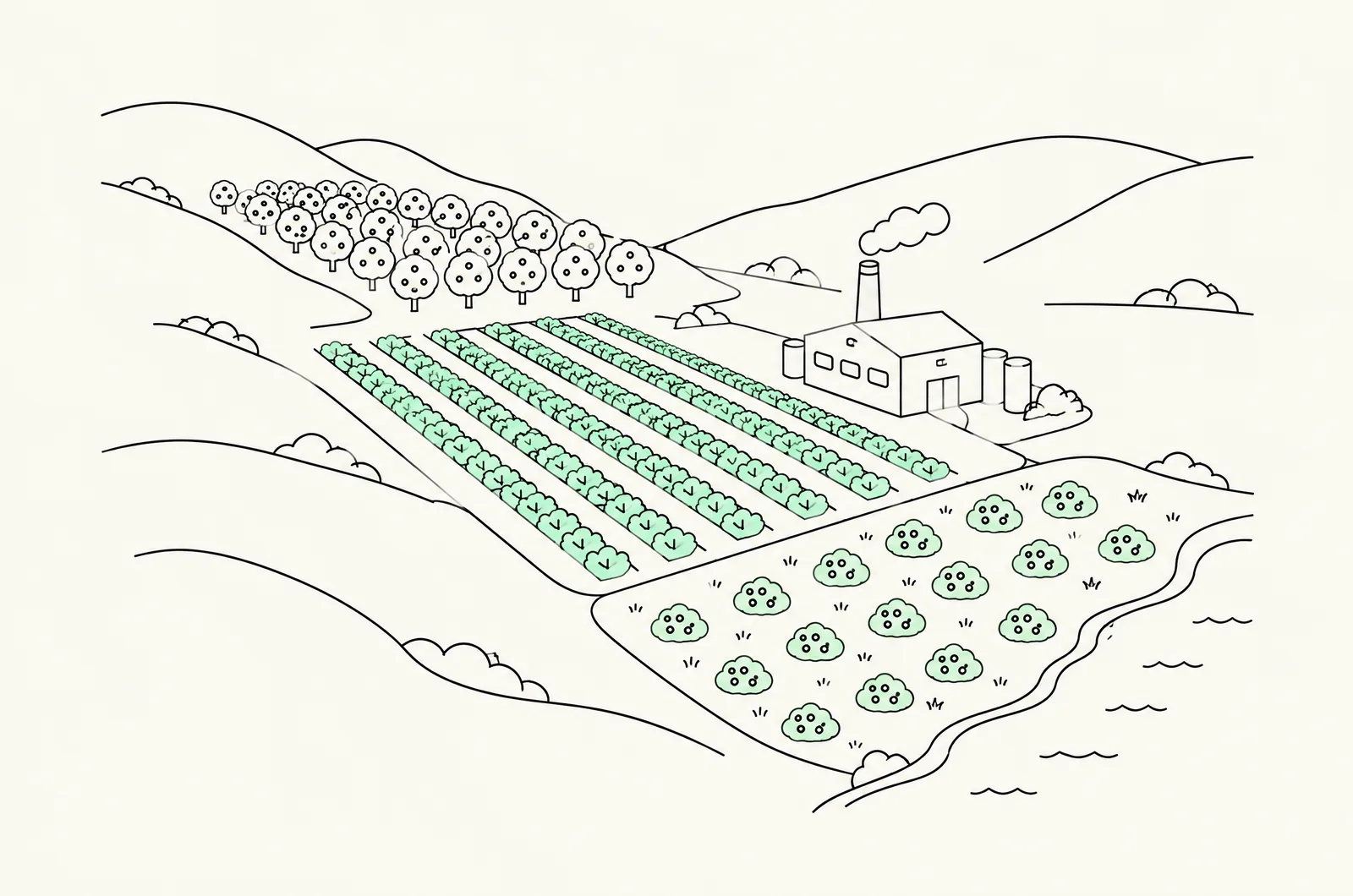
Six regions, six product mixes
Where California food and beverage is grown, processed and packed, and who buys from each region.
Central Valley
Fresno, Modesto, Stockton and Bakersfield: canneries, nut and dried-fruit processors, dairy and packing houses. Many sell ingredients B2B, so trade marketing and co-packing search outweigh consumer branding.
Salinas Valley
The leafy-greens and fresh-cut centre of the country, and squarely on the FSMA 204 traceability list. Traceability capability is a selling point to retail buyers well before the 2028 deadline.
Los Angeles food corridor
Vernon, Commerce and the City of Industry host food manufacturing, bakeries and specialty processors close to the ports and a huge, diverse market. Multicultural and specialty brands start here.
Inland Empire
Co-packers, beverage plants and distribution centres serving Southern California retail. National brands look here for West Coast capacity, so co-packing search is competitive.
Bay Area
Premium, natural and plant-based CPG brands, often venture-funded and DTC-first, moving into retail. Investor timelines push fast retail expansion, so sell-through support matters.
Ventura & Oxnard
Berries, citrus and avocados, with growers and packers selling fresh into retail and export. Seasonality shapes campaigns, and export buyers are part of the audience.
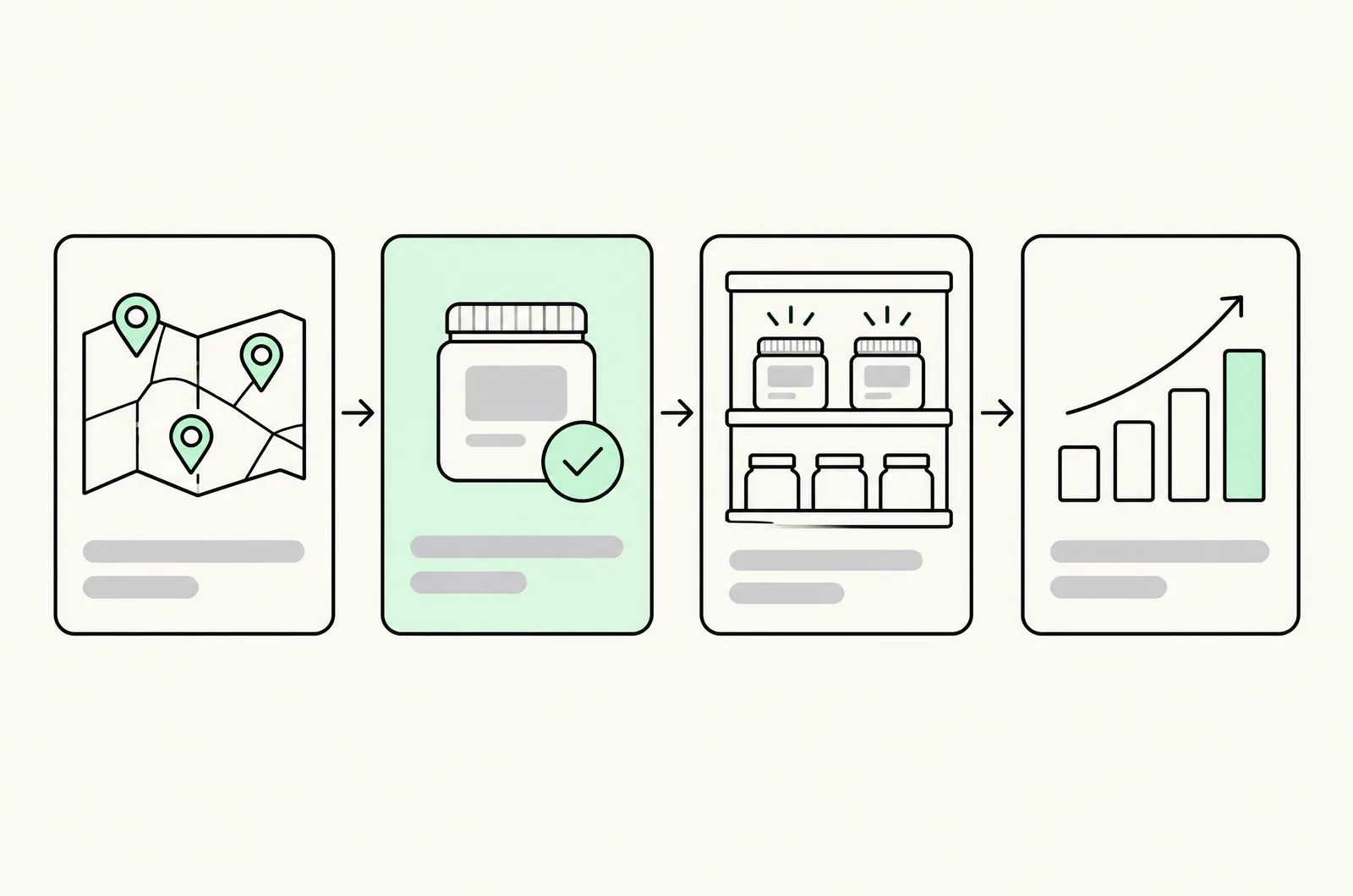
From buyer map to sell-through
- Step 01
Buyer and channel map
We map which buyers you're selling to (retail, foodservice, co-pack, DTC), their review calendars, and where your margin comes from.
- Step 02
Label and claims audit
AB 418, Prop 65 and marketing claims checked against every product page, listing and ad, with counsel sign-off where needed.
- Step 03
Trade and shopper campaigns
Trade site, buyer outreach and co-packing search, plus shopper campaigns where you sell under your own label.
- Step 04
Report on listings and sell-through
New doors, distributor listings, co-pack contracts and sell-through by channel, monthly.
A food specialist vs a consumer agency vs an in-house marketer
In-house costs are directional and depend on seniority and metro.
Knows AB 418, Prop 65 and FSMA 204
- Consumer-only agency
- Rarely
- In-house marketing hire
- Depends on the hire
- Conversion (San Francisco)
- Yes
Trade marketing to category buyers
- Consumer-only agency
- Consumer-only
- In-house marketing hire
- Broker-dependent
- Conversion (San Francisco)
- Yes
Co-packing and private-label search
- Consumer-only agency
- No
- In-house marketing hire
- Rarely
- Conversion (San Francisco)
- Yes
Claims checked against the label
- Consumer-only agency
- Copywriter's call
- In-house marketing hire
- Varies
- Conversion (San Francisco)
- Yes
Reports listings and sell-through
- Consumer-only agency
- Impressions and ROAS
- In-house marketing hire
- Spreadsheet
- Conversion (San Francisco)
- Yes
Typical monthly cost
- Consumer-only agency
- $4,000–$15,000 fee
- In-house marketing hire
- $10,000+ fully loaded (directional)
- Conversion (San Francisco)
- From $5,000 fee
Our closest result, and its limits
- Consumer brand · national
+37%
Year-on-year gross sales
Actively Black: cold traffic over retargeting
Actively Black sells apparel, not food, and isn't a California client. It's our closest consumer-brand result: 37% growth to $8.5M from reaching new shoppers rather than re-buying warm ones. The same approach drives sell-through after a new retail listing, when the shelf slot depends on finding new buyers fast.
What food and beverage marketing costs
USD, excluding media, samples and events.
Trade foundation
From $5,000/mo
Trade or co-pack pipeline
Trade site, buyer and distributor outreach or co-packing search, with the label and claims audit included. Media and events billed at cost.
- Trade site and buyer portal
- Category-buyer outreach
- Claims audit
- Most popular
Trade + shopper
$10,000–$18,000/mo
Branded CPG · multi-channel
Trade pipeline plus shopper marketing, DTC and Amazon pages, and sell-through support for new retail doors.
- Retail sell-through campaigns
- Prop 65-compliant pages
- Listings and sell-through report
Pay-on-results
Base + share
Qualifying processors
A lower base plus a share of gross margin from new accounts, listings or co-pack contracts attributed to our campaigns, against an agreed baseline.
- Baseline agreed up front
- Paid on new-account margin
- Shared risk
Food and beverage marketing questions

What does AB 418 ban, and when?
Do I need Prop 65 warnings on my website or Amazon listings?
When does the FSMA 204 traceability rule apply?
How do you market a food brand to grocery buyers?
Can you help us find co-packing or private-label clients?
Which California food regions do you work with?
Can we use 'natural' or 'sustainable' claims in California?
How much does food and beverage marketing cost?
Related California pages


Sources and statutes
Every figure and regulation cited on this page.
Facts and thresholds last checked 19 November 2026.
- Jones Day — California becomes the first state to ban four common food additives (AB 418)Brominated vegetable oil, potassium bromate, propylparaben and Red Dye No. 3 banned in food sold in California from 1 January 2027.
- U.S. FDA — FSMA Food Traceability Rule (compliance date)Compliance date moved from 20 January 2026 to 20 July 2028; requirements unchanged.
- OEHHA — Proposition 65 warnings for consumer products, including internet and catalog sales
- CDFA — California agricultural production statistics2024 farm cash receipts $61.2 billion; agricultural exports $23.8 billion.
Get ready for your next category review
30 minutes with a senior strategist. Bring your product list, target buyers and any reformulation timelines.
What happens next
- 1Pick a time for a 30-minute call.
- 2Share products, buyers and review calendars.
- 3Get a trade and shopper plan with claims flagged.
Prefer email? tarun@conversion.is