Robotics & hardware
Robotics and hardware marketing, from first demo to fleet order
Demos, paid pilots and fleet orders for California robotics and hardware companies, with consumer launches built to SB 244 and Prop 65.
Trusted by 50+ D2C brands · Google, Meta & Shopify partners










They need to see it working first
San Francisco, CA
Bay Area · LA · SD
Demo-led
Proof before price
Pilots to fleets
Not MQLs
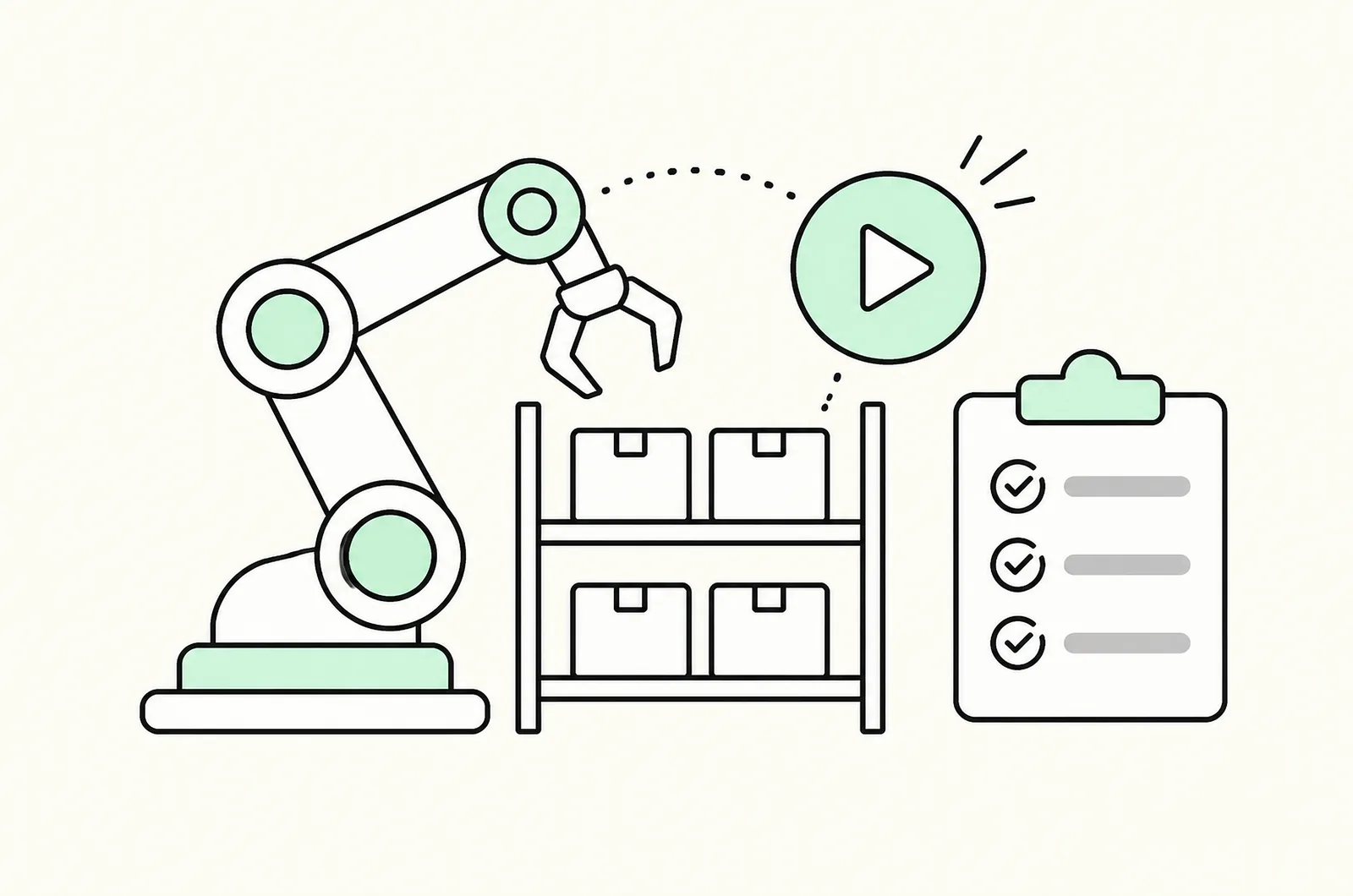
A warehouse operator in Ontario doesn't buy a picking robot from a website. They watch it work in a video, ask a peer who's piloted it, book a demo, run a paid pilot in one building and, if the numbers hold, order for ten more. Each step can take months. Hardware companies that market as if they're selling software, with free trials and self-serve signups, rarely get past the demo.
California is where many of these companies are built. The Bay Area took roughly half of US venture dollars in 2025, and robotics, autonomy and hardware startups compete for the same operations buyers, engineers and investors. Consumer hardware sold in the state also comes with rules: SB 244 requires parts, tools and repair documentation for seven years on products over $100, and many products need Prop 65 warnings.
We work with robotics and hardware companies as part of manufacturing marketing in California, from the San Francisco team. The work is pipeline from first video view to fleet order, measured on demos, pilots and conversion to deployment.
Three places hardware deals stall
Each one sits between a demo and a fleet order.
Buyers need to see it working
Operations buyers don't trust specs or renders. They want to see a robot in an environment like theirs, with real cycle times, failure rates and how staff work alongside it. Most hardware sites show polished product shots and little proof. Demo video, deployment stories and live demos at your facility or theirs do the selling.
Pilots stall before the fleet order
Paid pilots are where hardware deals live or die. Without clear success criteria agreed up front, champion support and executive updates, pilots drift and the fleet order never comes. Marketing can help by giving champions the business-case material, ROI calculators and peer references they need inside their company.
Consumer hardware carries California rules
California's right-to-repair law, SB 244, requires manufacturers to make parts, tools and repair documentation available for seven years on products priced at $100 or more. Prop 65 warnings apply to many electronics and materials. Launch pages and listings that ignore them create problems at retail and with regulators.
Six pieces of work, demo to deployment
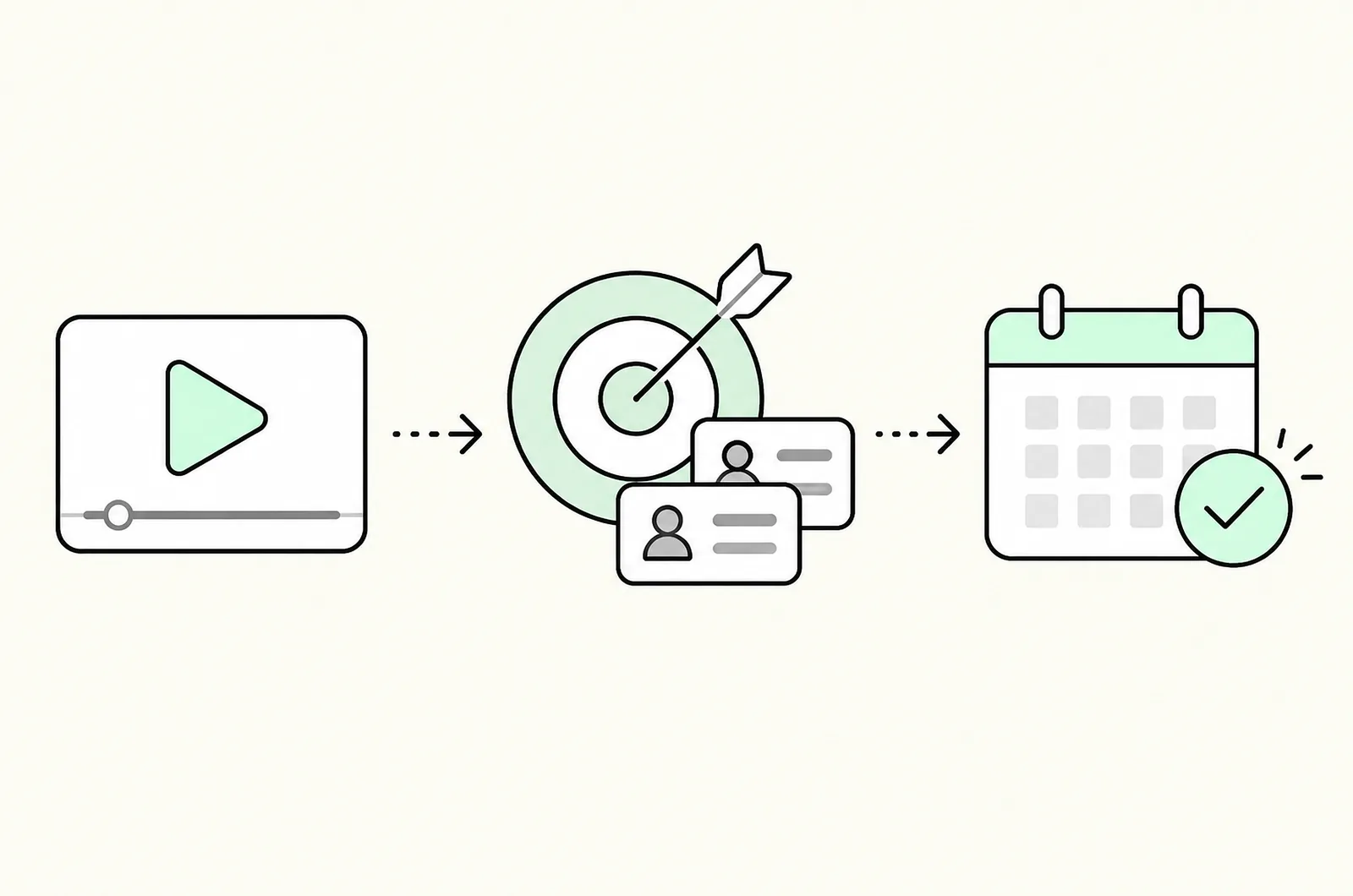
Demo and deployment content
Video of real deployments, cycle-time and uptime data, and honest notes on where the product works best, built to answer an operator's questions.
Account-based campaigns to operators
LinkedIn and display campaigns to operations, facilities and engineering leaders at named target accounts, with industry-specific messaging.
Demo-booking and pilot funnels
Pages and forms that qualify interest, book demos and set pilot criteria before the first unit ships.
Champion enablement
ROI calculators, business-case templates and executive summaries your champions use to win budget internally.
Trade shows and live demos
Pre-show targeting and booth demos at events like Automate and MODEX, with fast follow-up to visitors.
Consumer launch compliance
For consumer hardware: SB 244 repair information, Prop 65 warnings and retail-ready product pages before launch.
Five hardware hubs, five kinds of buyer
Where California hardware is built, and who buys it.
San Francisco & Silicon Valley
Robotics, autonomy and AI-hardware startups, plus the investors and engineers they compete for. Technical credibility and recruiting brand matter as much as sales.
Fremont & the East Bay
Hardware manufacturing and EV supply chains. Many companies build and test here, so live demos at your facility are an option for buyers.
Los Angeles & the South Bay
Aerospace, defence and space hardware, plus consumer-electronics brands. Defence buyers need security and compliance content early.
Inland Empire
Warehouses and logistics hubs that are prime buyers for automation. Operators here want proof from similar facilities nearby.
San Diego
Medical devices, defence and biotech automation. Regulated buyers expect validation data and quality-system documentation.
From pipeline audit to fleet orders
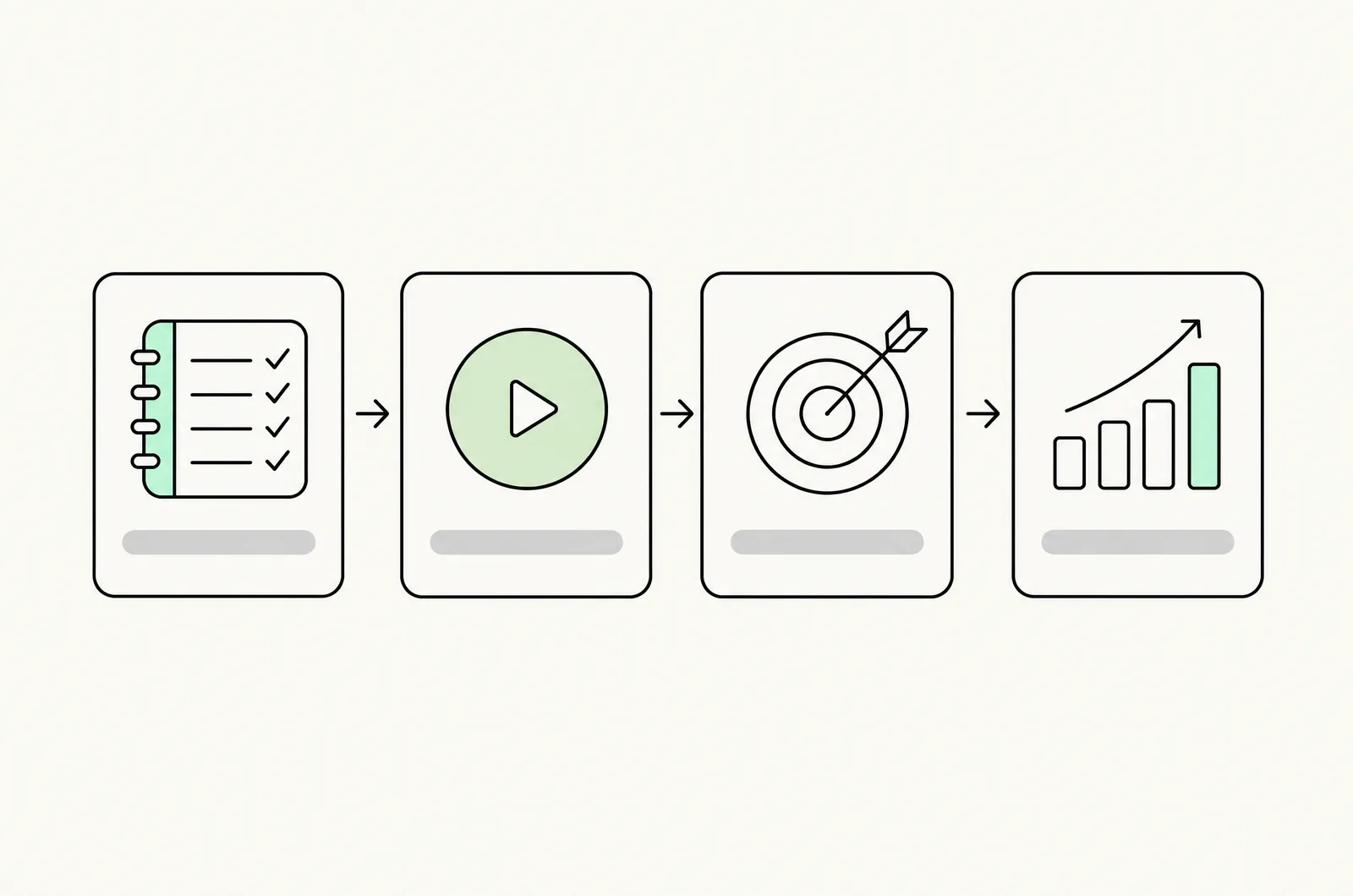
- Step 01
Pipeline audit
Demos, pilots, conversion to orders and sales-cycle length by source and segment.
- Step 02
Proof and compliance
Deployment content and demo assets, plus SB 244 and Prop 65 checks for consumer products.
- Step 03
Target and enable
Account-based campaigns, demo funnels and champion materials for pilots.
- Step 04
Report pilots to orders
Monthly demos, pilots started, pilot-to-order conversion and order value by source.
A hardware specialist vs a SaaS agency vs an in-house marketer
In-house costs are directional and depend on seniority and metro.
Demo-led deployment content
- SaaS marketing agency
- Product renders
- In-house California hire
- If engineers help
- Conversion (San Francisco)
- Yes
Account-based campaigns to operators
- SaaS marketing agency
- Broad audiences
- In-house California hire
- Limited tools
- Conversion (San Francisco)
- Yes
Pilot and champion enablement
- SaaS marketing agency
- No
- In-house California hire
- Sales-led
- Conversion (San Francisco)
- Yes
SB 244 and Prop 65 launch checks
- SaaS marketing agency
- Rarely
- In-house California hire
- Varies
- Conversion (San Francisco)
- Yes
Reports pilots and orders
- SaaS marketing agency
- MQLs
- In-house California hire
- CRM
- Conversion (San Francisco)
- Yes
Typical monthly cost
- SaaS marketing agency
- $5,000–$15,000 fee
- In-house California hire
- $14,000+ per marketer (directional)
- Conversion (San Francisco)
- From $6,000 fee
B2B demand, honestly labelled
- B2B demand gen · national
388%
Conversions in 90 days
NP Digital: intent tiers for B2B buyers
NP Digital isn't a hardware company or a California client, and we have no published robotics result. It's our clearest B2B demand-generation result: campaigns split by intent, CPA down 70% and conversions up 388%. Hardware companies need the same discipline to separate serious operators from curious visitors.
What hardware marketing costs in California
USD, excluding media and video production.
Pipeline foundation
From $6,000/mo
One product line
Demo and deployment content, demo-booking funnel, one targeting channel and pilot reporting. Media and video production are separate.
- Deployment content
- Demo funnel
- Pilots-to-orders report
- Most popular
Growth program
$12,000–$22,000/mo
Multi-segment
Account-based campaigns, champion enablement, trade-show programmes and consumer launch compliance where needed.
- Named-account ABM
- Champion toolkit
- Trade-show demos
Launch project
From $20,000
One-off
Positioning, launch site, demo video plan and compliance checks for a new product launch.
- Launch positioning
- Launch site
- Compliance checks
Robotics and hardware marketing questions
How do robotics companies generate B2B pipeline?
Does California's right-to-repair law apply to hardware startups?
How do you help pilots convert to fleet orders?
Are trade shows worth it for robotics companies?
Which California hardware hubs do you work in?
How much does robotics and hardware marketing cost?
Should hardware companies use free trials?
Do consumer hardware products need Prop 65 warnings?
Sources and statutes
Every figure and regulation cited on this page.
Facts and thresholds last checked 19 November 2026.
- Crunchbase News — US startup funding boom concentrates in the Bay AreaBay Area took roughly half of US venture dollars in 2025 and about 60% of global AI funding.
- iFixit — California Right to Repair (SB 244) signed into lawFrom 1 July 2024: parts, tools and repair documentation for 3 years on products priced $50–$99.99 and 7 years for $100+, for products first sold from July 2021.
- OEHHA — Proposition 65 warnings for consumer products, including internet and catalog sales
Turn demos into pilots
30 minutes with a senior strategist. Bring your demo, pilot and order numbers if you have them.
What happens next
- 1Pick a time for a 30-minute call.
- 2We review demos, pilots and content.
- 3Get a pilot-to-order plan.
Prefer email? tarun@conversion.is