Trade showrooms
Trade showroom marketing, aimed at designers, not shoppers
Trade accounts, samples and specified orders for California showrooms and furnishings brands, from the Pacific Design Center to San Francisco.
Trusted by 50+ D2C brands · Google, Meta & Shopify partners











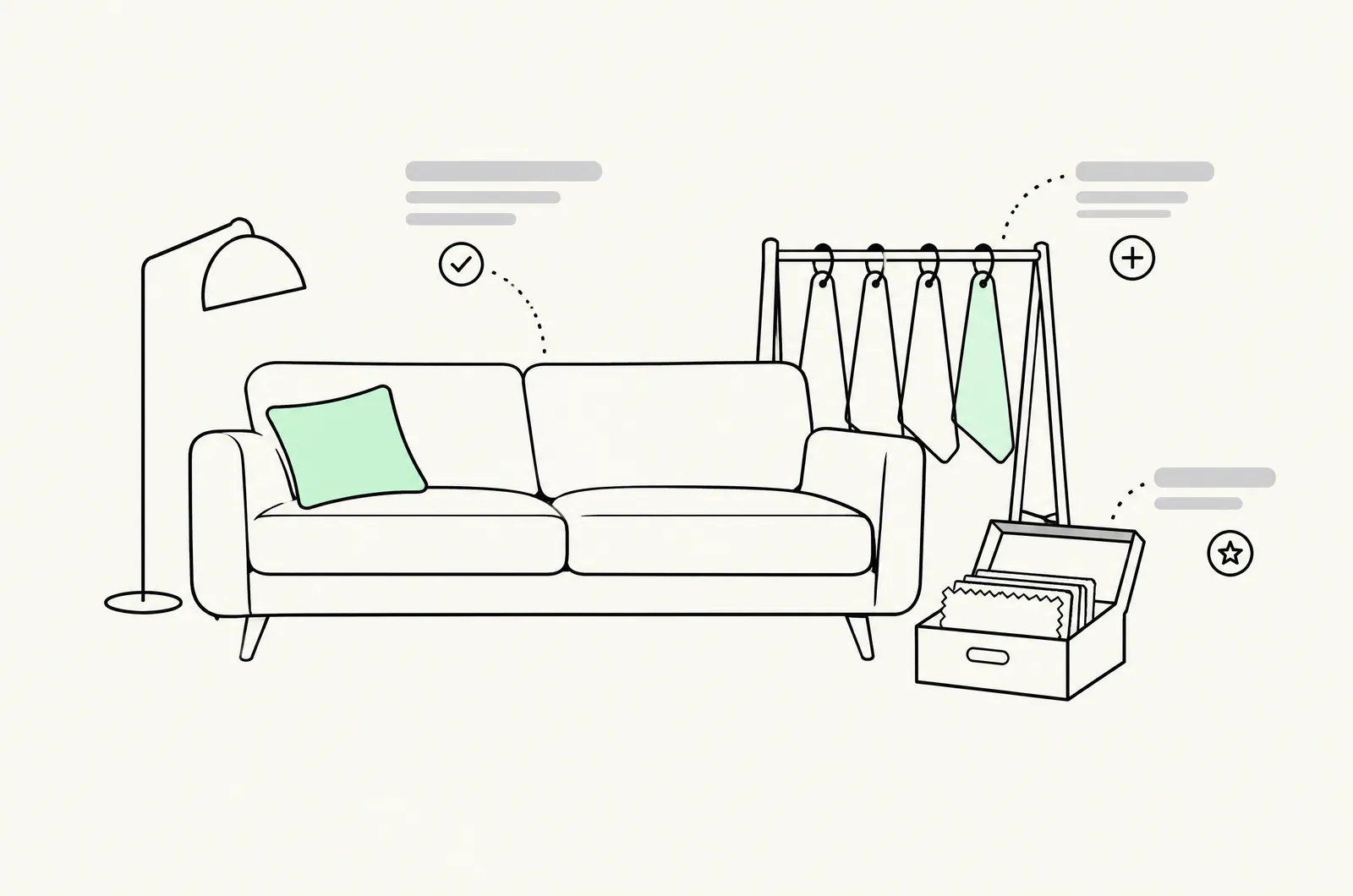
The buyer isn't the homeowner
San Francisco, CA
LA · SF · OC · SD
To the trade
Designers and architects
Trade accounts
Not foot traffic
At the Pacific Design Center in West Hollywood, more than 100 showrooms sell almost entirely to the trade. A designer specifying fabric for a Bel Air renovation or seating for a hotel lobby visits a handful of those showrooms, requests samples and orders through a trade account. The consumer may never know the showroom's name. Marketing that targets homeowners mostly brings visitors who can't buy.
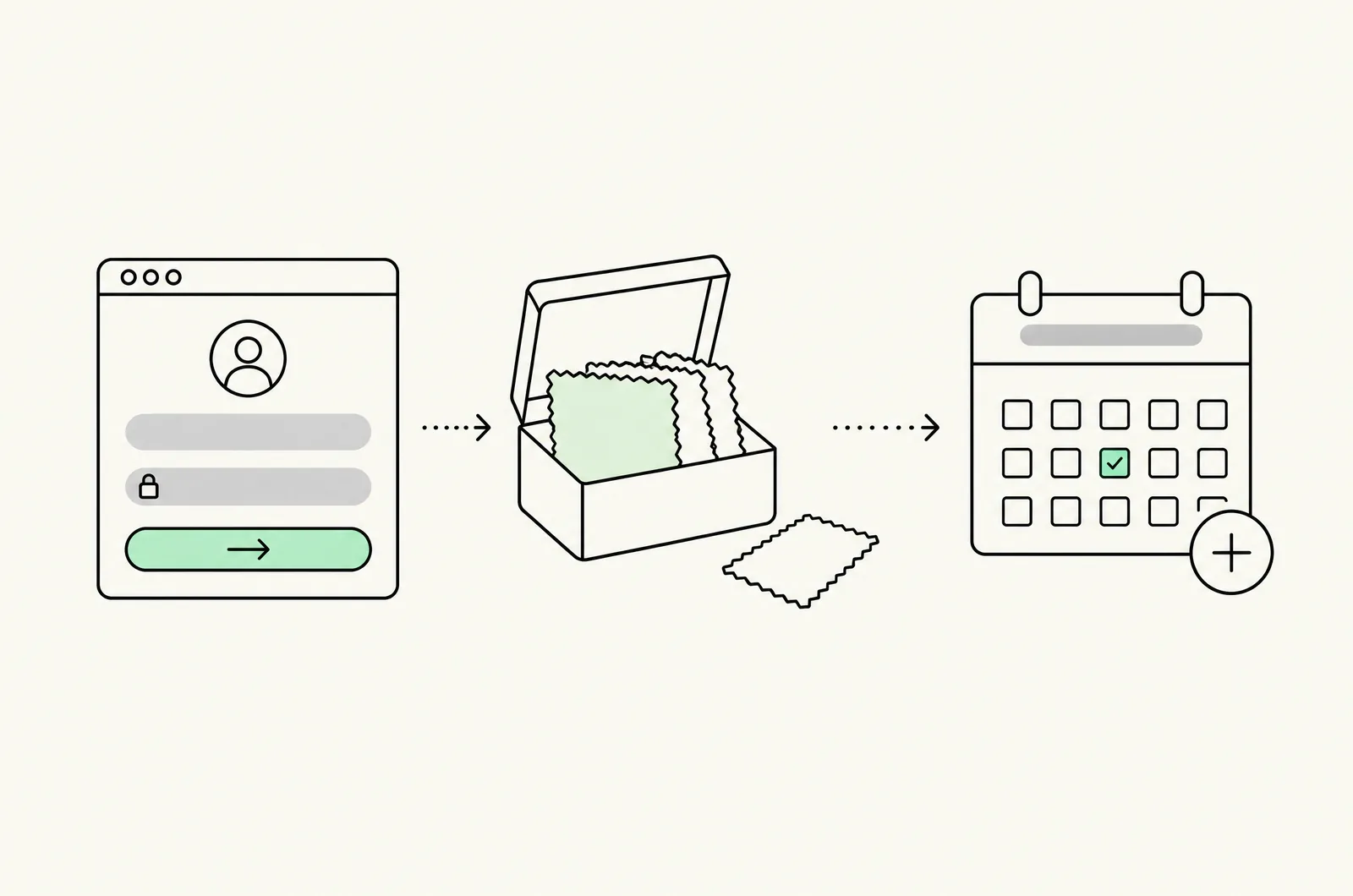
Designers' habits have also changed. Many now find products online first, request samples digitally and visit showrooms only for final selections or events. Showrooms that make it easy to browse collections, see trade pricing after logging in, order samples and book appointments keep designers coming back; those that rely on walk-in traffic see fewer visits each year.
We work with showrooms and furnishings brands as part of interior design marketing in California, from the San Francisco team. The work is trade-account growth, specification and samples, designer events and B2B ecommerce, measured on active accounts and specified orders.
Three reasons showroom traffic falls
Each one sends designers to a competitor's samples.
Consumers come, designers don't
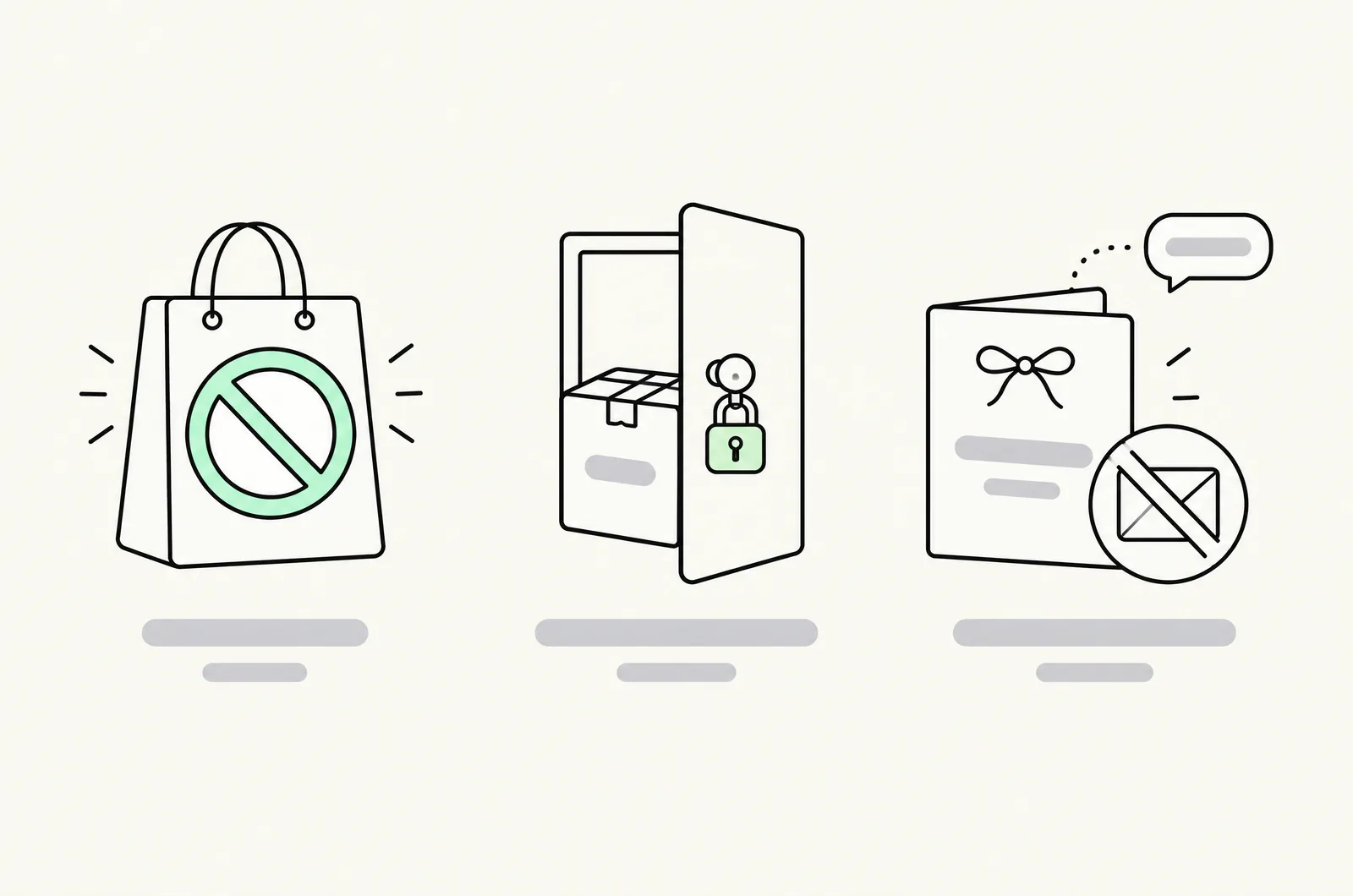
Consumer-focused ads and social bring visitors who can't buy without a trade account. Meanwhile designers, the real buyers, need trade pricing, samples and specification details that many showroom sites hide or make hard to request.
Samples and specs are hard to get online
Designers expect to request samples, download specifications and check lead times online. Showrooms that require calls or emails for each request lose specifications to competitors with easier tools.
Events aren't followed up
Collection launches and design-week events bring designers in, but few showrooms track who attended, what they liked and whether it led to a specification. Without follow-up, events build goodwill but not accounts.
Six pieces of work, sample to specification
Trade-account acquisition
Campaigns to designers and architects by region and specialty, with a simple trade-account application and fast approval.
Sample and specification flows
Online sample requests, spec sheets, CAD and lead times, tracked so sales knows who's specifying what.
Designer events and launches
Invitations, RSVP tracking and follow-up for launches, CEU sessions and design-week events.
B2B ecommerce and trade pricing
Trade login with net pricing, quick ordering and project lists, tested with your designer accounts.
Designer relationship email
Collection updates, new arrivals and project stories for active and lapsed trade accounts.
Trade account reporting
New accounts, active accounts, samples, specifications and orders by source and region.
Five trade markets, five kinds of designer
Where California's design trade buys, and how.

Pacific Design Center & West Hollywood
More than 100 mostly trade-only showrooms at 8687 Melrose Avenue, the West Coast's best-known design centre. Events and design weeks draw designers from across Southern California.
San Francisco design district
Showrooms serving Bay Area designers working on high-value residential and commercial projects. Designers here expect strong digital tools.
Orange County
Coastal residential and hospitality designers, plus showrooms in Costa Mesa and Newport. Sample delivery and quick service matter.
San Diego
Residential, hospitality and multifamily designers. Many buy online and visit showrooms in LA for final selections.
Napa & Sonoma
Wine-country residential and hospitality designers who source from Bay Area and LA showrooms. Digital sampling saves them long drives.
From account audit to trade orders
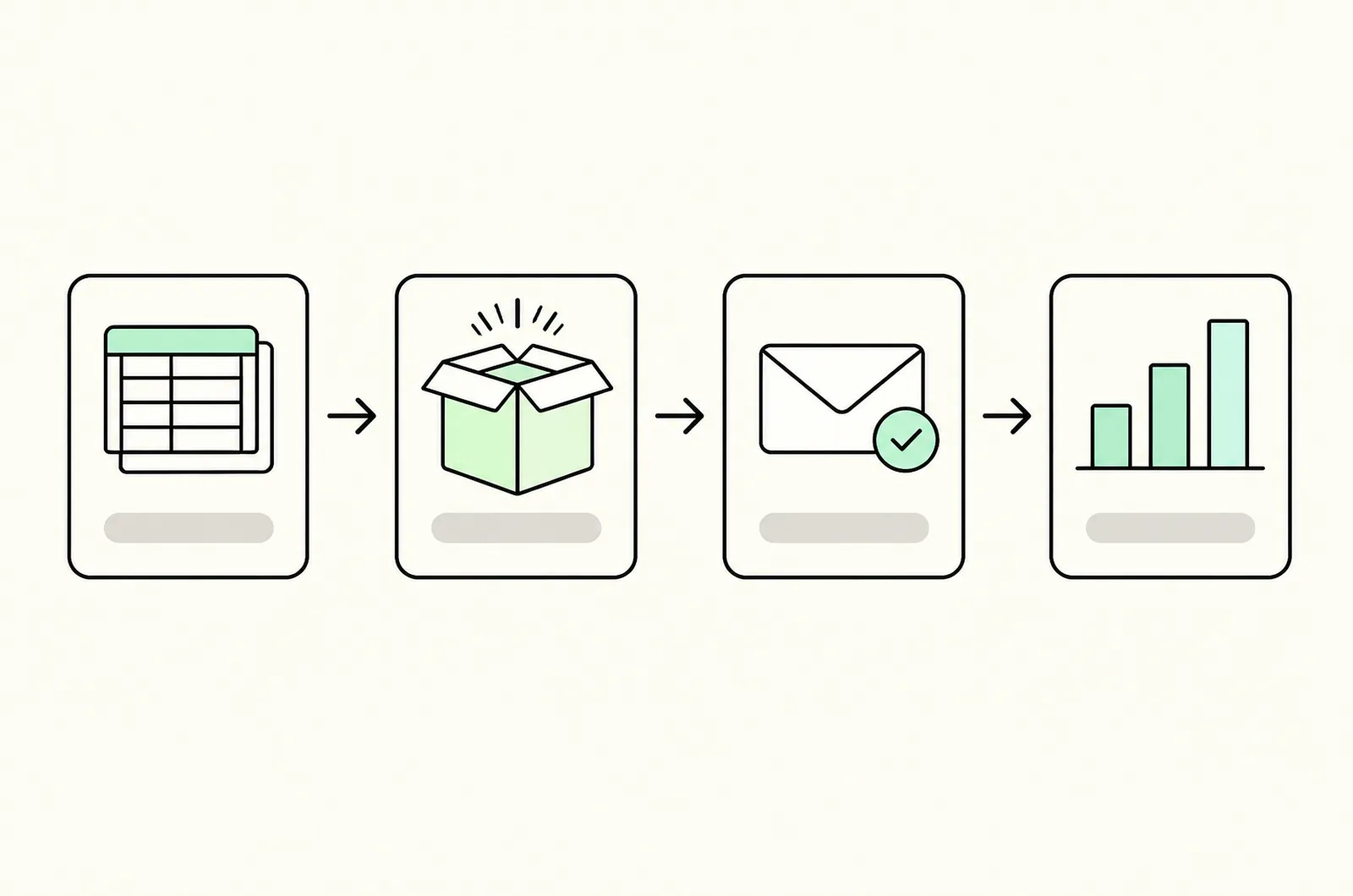
- Step 01
Account and sample audit
Trade accounts, sample requests, specifications and orders by source, plus a review of your trade tools.
- Step 02
Fix trade tools
Trade-account application, sample and spec flows, and trade pricing online.
- Step 03
Reach and nurture designers
Trade-account campaigns, events with follow-up and designer email.
- Step 04
Report trade accounts
Monthly new and active accounts, samples, specifications and orders.
A showroom specialist vs a consumer agency vs an in-house marketer
In-house costs are directional and depend on seniority and metro.
Targets designers, not consumers
- Consumer retail agency
- Consumer ads
- In-house California hire
- Varies
- Conversion (San Francisco)
- Yes
Online sample and spec requests
- Consumer retail agency
- Email requests
- In-house California hire
- Varies
- Conversion (San Francisco)
- Yes
Event follow-up tracked to specifications
- Consumer retail agency
- No
- In-house California hire
- Sales reps' notes
- Conversion (San Francisco)
- Yes
Trade pricing and B2B ordering
- Consumer retail agency
- Consumer store
- In-house California hire
- IT project
- Conversion (San Francisco)
- Yes
Reports trade accounts and orders
- Consumer retail agency
- Traffic and followers
- In-house California hire
- ERP reports
- Conversion (San Francisco)
- Yes
Typical monthly cost
- Consumer retail agency
- $2,500–$8,000 fee
- In-house California hire
- $9,000+ per marketer (directional)
- Conversion (San Francisco)
- From $4,500 fee
Product demand, honestly compared
- Product brand · national
$8.5M
Gross sales, +37% YoY
Actively Black: product demand from new buyers
Actively Black is a consumer apparel brand, not a showroom or a California client, and we have no published showroom result. It shows product marketing aimed at new buyers rather than existing ones, which grew gross sales 37%. Showrooms need new trade accounts as well as their regulars.
What showroom marketing costs in California
USD, excluding media and events.
Showroom foundation
From $4,500/mo
One showroom or brand
Trade-tools audit, sample and spec flows, trade-account campaigns and account reporting. Media and events are separate.
- Sample and spec flows
- Trade-account campaigns
- Accounts report
- Most popular
Trade growth
$8,000–$15,000/mo
Multi-showroom or national brand
Everything in the foundation, plus events with follow-up, designer email and B2B ecommerce with trade pricing.
- Event programmes
- Designer email
- B2B ecommerce
Pay-on-results
Base + share
Qualifying showrooms
A lower base plus a share of margin from attributed new trade accounts above an agreed baseline.
- Baseline agreed up front
- Paid on new-account margin
- Same reporting
Trade showroom marketing questions

How do trade showrooms attract more designers?
Should trade showrooms show prices online?
How do you measure showroom marketing?
Are design events worth it for showrooms?
Which California design trade markets do you cover?
How much does trade showroom marketing cost?
Do showrooms need Prop 65 warnings?
Can showrooms sell to consumers too?
Related California pages
Interior design marketing in California
The parent practice for residential studios, commercial interiors and showrooms.ExploreCommercial interiors marketing
A sibling: workplace, hospitality and healthcare interiors.ExploreLuxury interior design marketing
A sibling, and a key buyer for high-end showrooms.Explore

Sources and statutes
Every figure and regulation cited on this page.
Facts and thresholds last checked 19 November 2026.
- Visit West Hollywood — Design District and the Pacific Design CenterThe Pacific Design Center houses more than 100 mostly trade-only showrooms at 8687 Melrose Avenue.
- OEHHA — Proposition 65 warnings for consumer products, including internet and catalog sales
Make sampling easy
30 minutes with a senior strategist. We'll review your trade tools and account data.
What happens next
- 1Pick a time for a 30-minute call.
- 2We review accounts, samples and events.
- 3Get a trade-growth plan.
Prefer email? tarun@conversion.is