Luxury residential design
High-end interior design marketing built on reputation, not reach
Reputation, referrals and press for California studios taking $250,000-plus residential projects, with client privacy respected throughout.

Trusted by 50+ D2C brands · Google, Meta & Shopify partners









Your best client never fills in a form
San Francisco, CA
Estate markets statewide
Referral-led
Architects, agents, builders
Discreet
Privacy-first portfolios
The client who hires you for a $1.2 million Atherton project has probably never filled in a contact form. Their architect mentioned you, their real estate agent had seen your work, or a friend's house appeared in a magazine. Before they call, they'll search your name, look at three projects and check whether you've been published. That 20-minute check decides whether you get the meeting.
So luxury design marketing works on reputation, not reach. Paid social to broad audiences brings enquiries you'll turn down. What moves high-end work is being known by the people who refer it, a body of published projects, and owned search results that look as considered as your rooms. Many top studios also need discretion: clients who don't want their homes on Instagram.
We work with high-end studios as part of interior design marketing in California, run by our San Francisco office. The work is quiet and specific: referral relationships, publication, a portfolio that respects client privacy, and a principal's search presence that matches the fee.
Three things that matter more above $250,000
None of these is solved by spending more on ads.
Your best clients can't be targeted
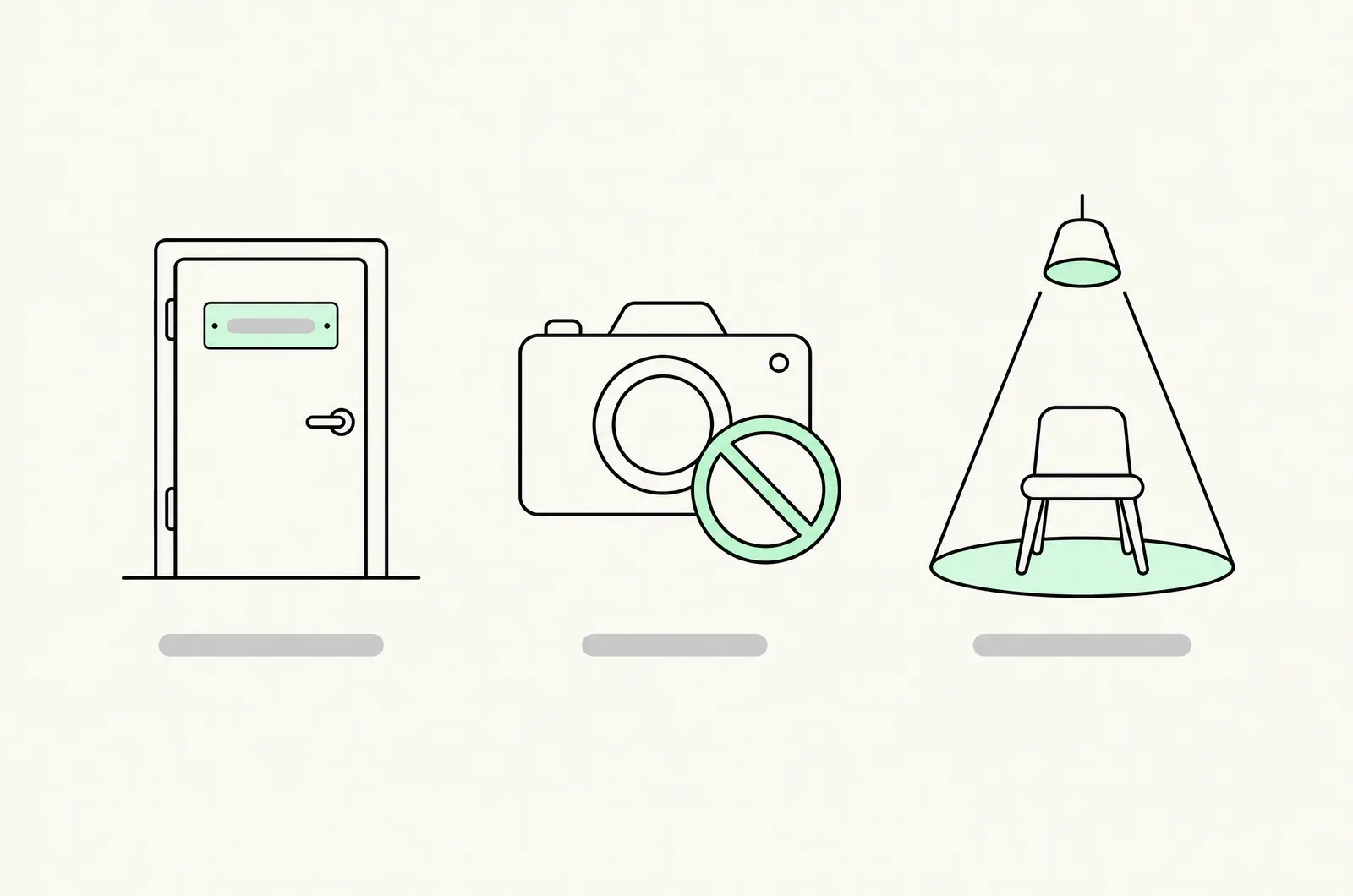
High-net-worth homeowners don't show up as a clean ad audience, and they rarely respond to ads anyway. They come through architects, builders, luxury agents, family offices and friends. Marketing has to reach those referrers and make it easy for them to recommend you, which is relationship work most agencies don't do.
Clients don't want their homes online
Many luxury clients forbid publication, location tags or even interior photos, especially in high-profile areas. That leaves studios with their best work unpublishable. You need a portfolio strategy that uses permitted projects, details, materials and process rather than whole rooms and addresses.
The principal is the brand
At this level, clients hire a person. If searching the principal's name returns an old directory profile and a thin About page, the referral loses momentum. Press, awards, talks and a strong principal page carry more weight than any campaign.
Six pieces of work built on reputation
Publication and award strategy
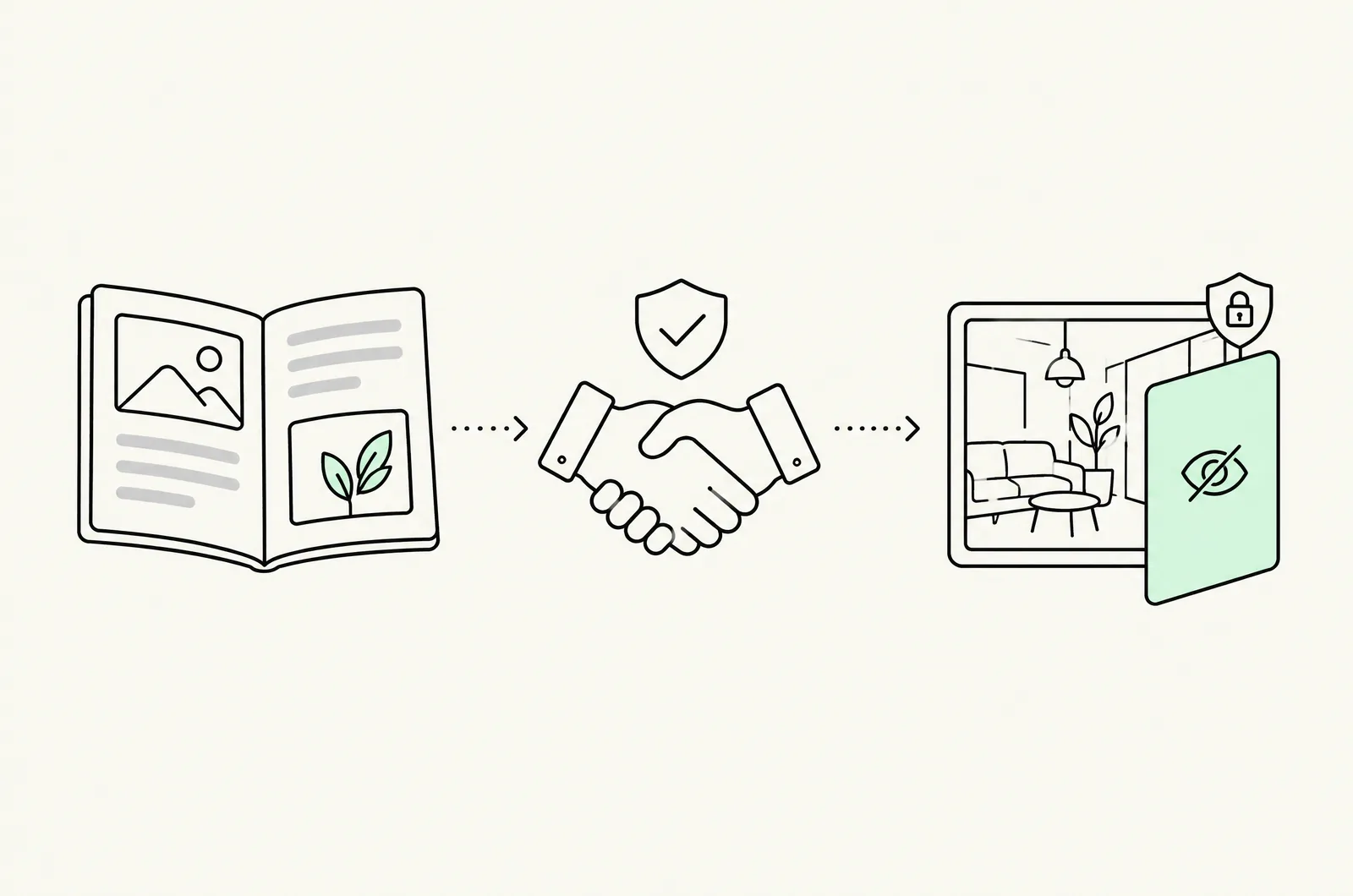
Pitching completed projects to design publications and entering the right awards, timed to photography and client permissions. One published project often brings more high-end enquiries than a year of ads.
Referral-partner programme
Structured relationships with architects, builders, luxury agents and family-office contacts: project previews, trade events and case studies they can forward.
Privacy-first portfolio
Project pages built from permitted images, material and detail shots, process stories and anonymised locations, so private clients' homes stay private.
Principal-brand search
Owned search results for the principal's name: a strong bio page, press, talks and interviews. Referred clients search the name first.
Selective paid amplification
Small, targeted campaigns that put published projects in front of referrers and past enquirers, rather than broad audiences.
Second-home and relocation outreach
Content and partnerships for buyers furnishing second homes in Montecito, Napa, Tahoe or the desert, often working with their listing or buying agent.
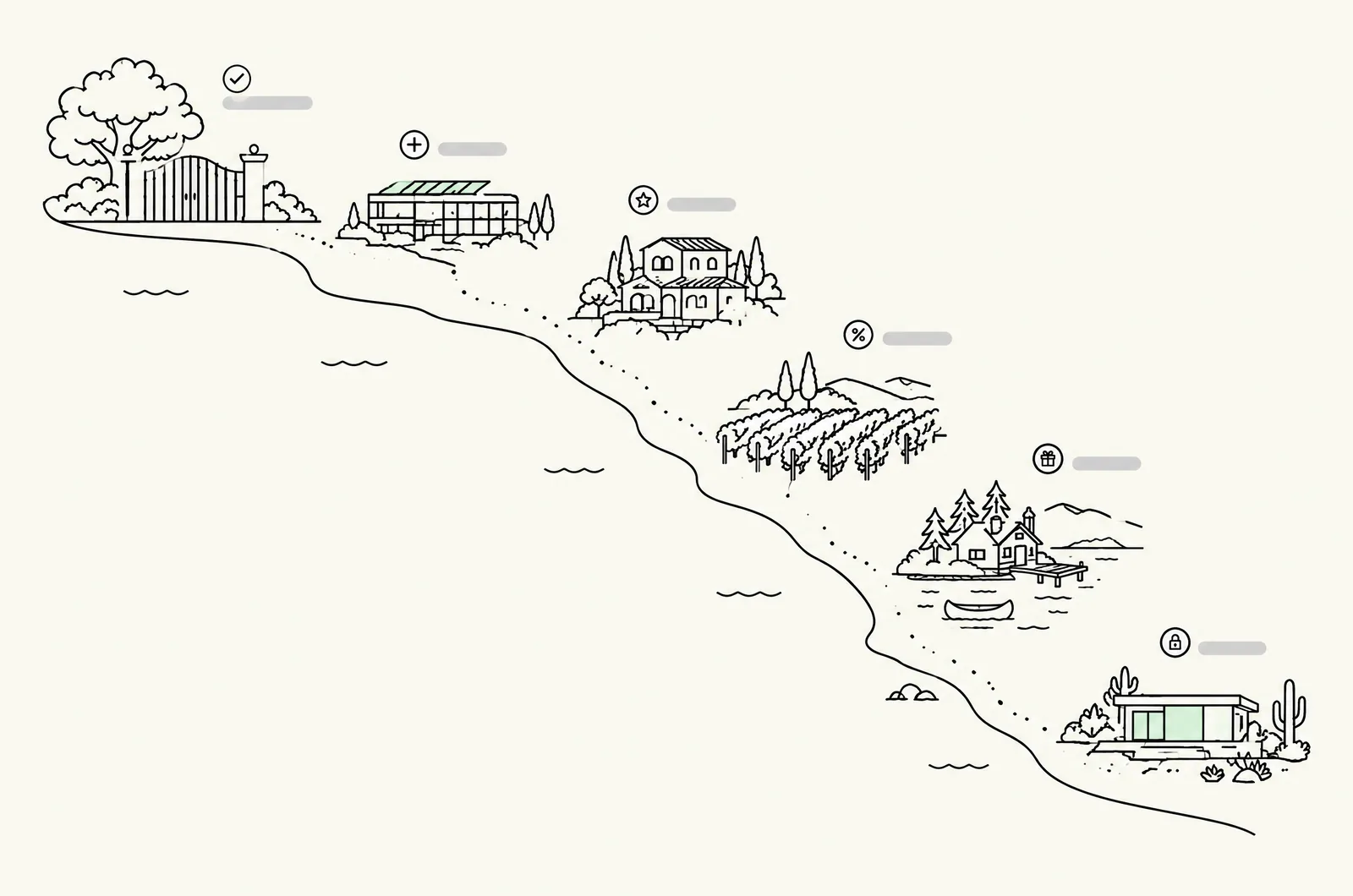
Six estate markets, six referral networks
Where high-end residential design work concentrates, and who refers it.
Montecito & Santa Barbara
Estate projects for clients from LA, the Bay Area and out of state. Referrals from architects and estate managers matter more than anywhere else in the state.
Atherton, Woodside & the Peninsula
Tech-wealth homeowners building or renovating after liquidity events. Large new builds with long timelines and design teams chosen early, often through the architect.
Westside Los Angeles
Bel Air, Brentwood, Beverly Hills and the Palisades, where privacy is a requirement. The fire rebuild in the Palisades adds long-horizon projects with insurers and architects in the room.
Napa Valley
Second homes and estates for Bay Area and out-of-state owners. Wine-country design overlaps with hospitality, and agents and builders are frequent referrers.
Lake Tahoe
Mountain second homes on both sides of the lake. Clients often live in the Bay Area, and projects are planned around short building seasons.
Palm Springs & the desert
Mid-century restorations and new desert modern homes. Design-literate clients who know the architects by name, so period expertise is the selling point.
From reputation map to fee value signed
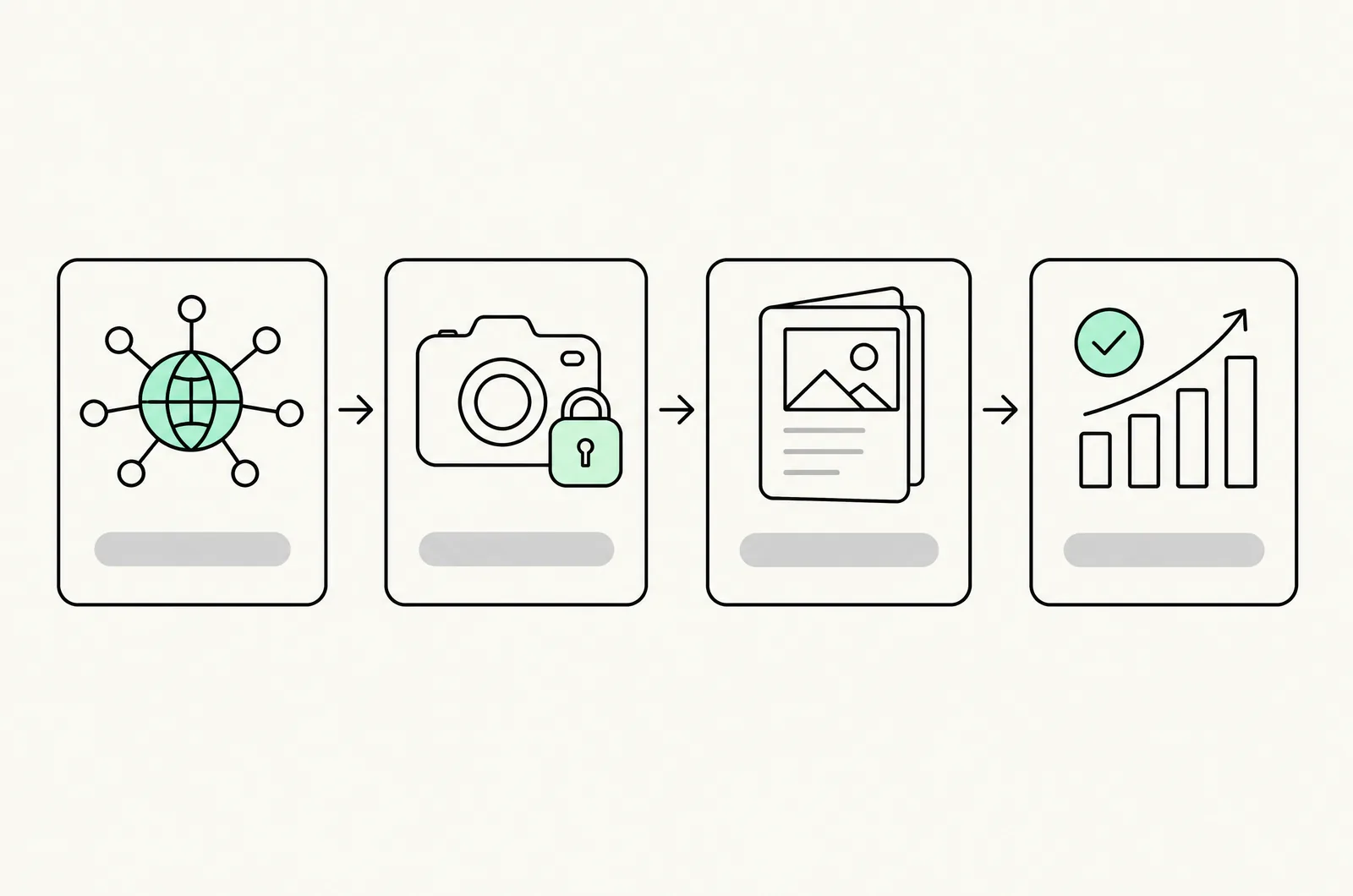
- Step 01
Referral and reputation map
Where your last ten signed projects came from, who referred them, and what a client finds when they search you today.
- Step 02
Portfolio and permissions
Which projects can be shown and how, a publication calendar, and a privacy-first portfolio plan.
- Step 03
Referrers and press
Referral-partner outreach, publication pitches and award entries, plus the principal's search presence.
- Step 04
Report on fee value
Quarterly: introductions, meetings, signed projects and fee value by source, so the referral work is measured too.
A reputation specialist vs a PR retainer vs doing it in-house
In-house costs are directional and depend on seniority and metro.
Publication and award strategy
- PR-only retainer
- Rarely
- In-house California hire
- If the principal has time
- Conversion (San Francisco)
- Yes
Structured referral-partner programme
- PR-only retainer
- No
- In-house California hire
- Informal
- Conversion (San Francisco)
- Yes
Privacy-first portfolio for private clients
- PR-only retainer
- Posts everything
- In-house California hire
- Varies
- Conversion (San Francisco)
- Yes
Principal-name search presence
- PR-only retainer
- Not considered
- In-house California hire
- Rarely
- Conversion (San Francisco)
- Yes
Measured on fee value signed
- PR-only retainer
- Followers and leads
- In-house California hire
- Anecdotal
- Conversion (San Francisco)
- Yes
Typical monthly cost
- PR-only retainer
- $3,000–$8,000 PR retainer
- In-house California hire
- $9,000+ per marketer (directional)
- Conversion (San Francisco)
- From $5,500 fee
Considered decisions, honestly compared
- Considered purchase · Canada
4x
App user base
NDAX: one strategy across trust-heavy channels
NDAX is a Canadian fintech app, not a design studio or a California client. We include it for one reason: it's a high-trust, considered decision where buyers research across several channels before committing. Running those channels as one plan grew users 4x. Luxury design clients research the same way.
Priced for high-end studios
USD, excluding photography and award entry fees.
Reputation foundation
From $5,500/mo
One studio
Principal-brand search, privacy-first portfolio, publication pitching and a referral-partner programme. Photography billed at cost.
- Publication pitches
- Referral-partner outreach
- Principal search presence
- Most popular
Studio programme
$8,500–$14,000/mo
Ongoing · multiple markets
Everything in the foundation, plus award strategy, selective paid amplification, second-home outreach and quarterly fee-value reporting.
- Award strategy
- Selective amplification
- Second-home partnerships
Pay-on-results
Base + share
Qualifying studios
A lower base plus a share of design fees on projects introduced through our referral and press work, against an agreed baseline.
- Baseline agreed up front
- Paid on introduced projects
- Shared risk
Luxury design marketing questions
How do luxury interior designers find clients?
How can we market our work when clients don't allow photos?
Is getting published worth the effort?
Should a luxury studio run paid ads at all?
Which California luxury design markets do you work in?
Can a design studio call itself certified in California?
How much does luxury interior design marketing cost?
How long does reputation marketing take to pay off?
Related California pages
Sources and statutes
Every figure and regulation cited on this page.
Facts and thresholds last checked 19 November 2026.
- California Senate Business, Professions & Economic Development Committee — CCIDC sunset background paperInterior designers are not licensed in California; only CCIDC-certified individuals may use the title 'certified interior designer' (B&P Code §5800 et seq.).
- CSLB — AB 2622 raises the minor-work exemption to $1,000From 1 January 2025, work of $1,000 or more (labour and materials), or any job needing a permit, requires a licensed contractor.
Map where your next project will come from
30 minutes with a senior strategist. Tell us who referred your last five projects.
What happens next
- 1Pick a time for a 30-minute call.
- 2We review your referrers, press and search presence.
- 3Get a reputation plan for the next four quarters.
Prefer email? tarun@conversion.is