Private K\u201312 schools
Private school admissions marketing, grade by grade
Full open houses, filled grades and families who stay, for California's independent, faith-based and Montessori schools.

Trusted by 50+ D2C brands · Google, Meta & Shopify partners










A free option at four changed the first tuition decision
San Francisco, CA
Schools statewide
Parent-first
Open house to enrollment
Grade-level
Seats, not leads
Parents in Pasadena choosing a school for their four-year-old now have a free option in every district. Since 2025–26, universal transitional kindergarten has covered every four-year-old in California, and around 213,000 enrolled in its first full year. For private preschools and elementary schools, the first tuition decision moved a year later and became a comparison with a free alternative.
Private school admissions has always been a parent decision made over months: a friend's recommendation, a website visit, an open house, a shadow day, an application, a financial-aid conversation. The marketing job is to keep the right families moving through that sequence, and then to keep enrolled families from leaving at grade 6 or grade 9, when the next comparison begins.
We work with private schools as part of education marketing in California, and statewide coverage from San Francisco. The work is admissions-season marketing for parents, built to fill specific grades, plus retention and referral work that most schools leave to chance.
Three reasons seats stay empty
Each one costs a school families every year, and none is fixed by a bigger ad budget.
The entry year now competes with free TK
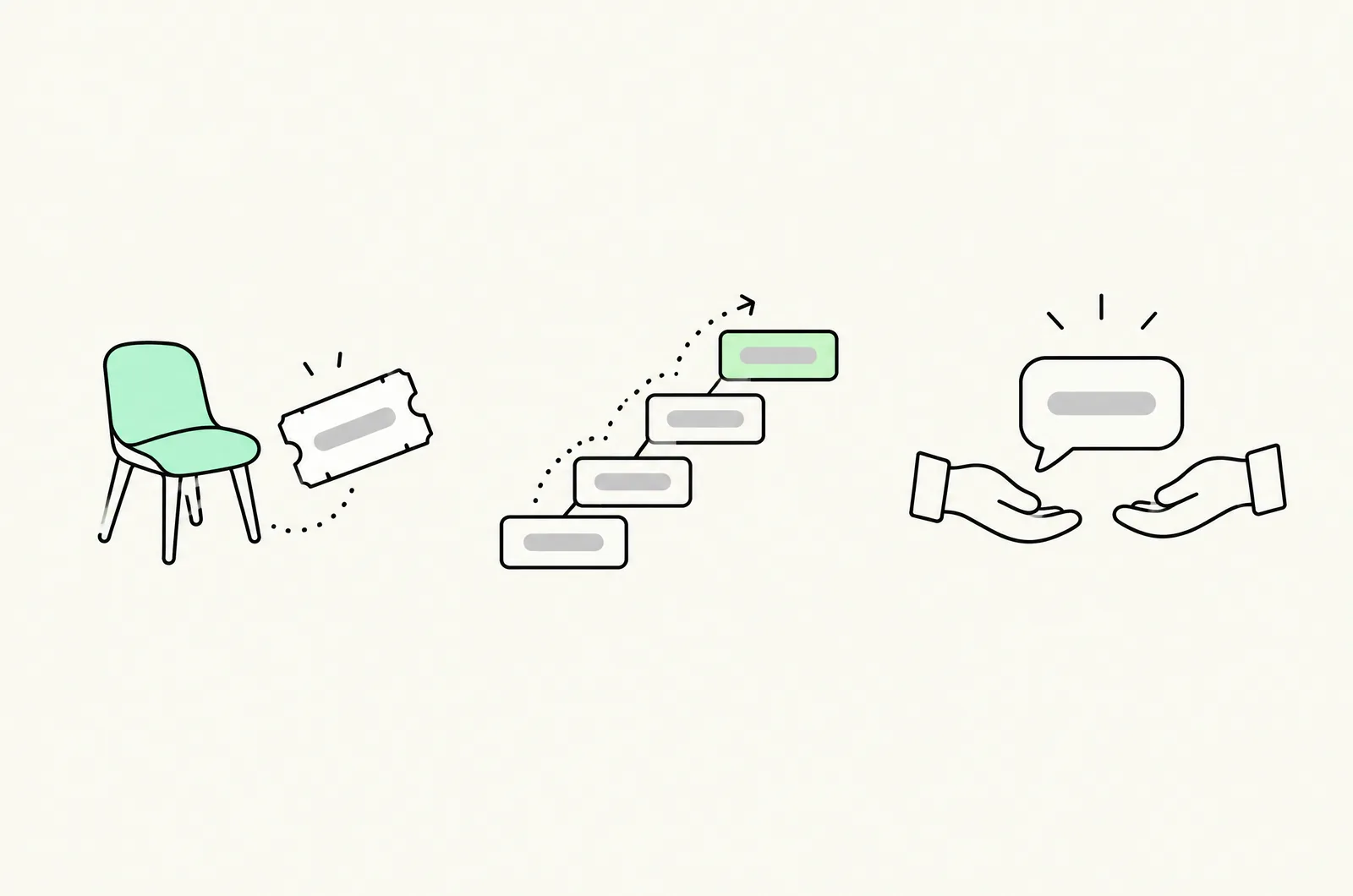
With public TK open to every four-year-old, families who might once have started paying tuition at four now often start at kindergarten or later. Preschool and elementary programmes have to show what they offer that TK doesn't, such as continuity, class size, language programmes or extended care, in terms a parent can compare.
Seats empty at transition grades
Most schools lose families at the natural exit points: after preschool, at grade 6 and at grade 9, when families compare again with public middle and high schools or other private schools. Filling those seats takes targeted campaigns for specific grades, not a general brand message.
Word of mouth isn't a system
Most families find private schools through other parents. Few schools give current families a simple way to refer, run parent ambassadors or track which referrals enroll. Meanwhile, parents search 'best private school near me' and read reviews, and many schools have thin websites and few reviews to show.
Six pieces of work around one admissions season
Open-house and tour campaigns
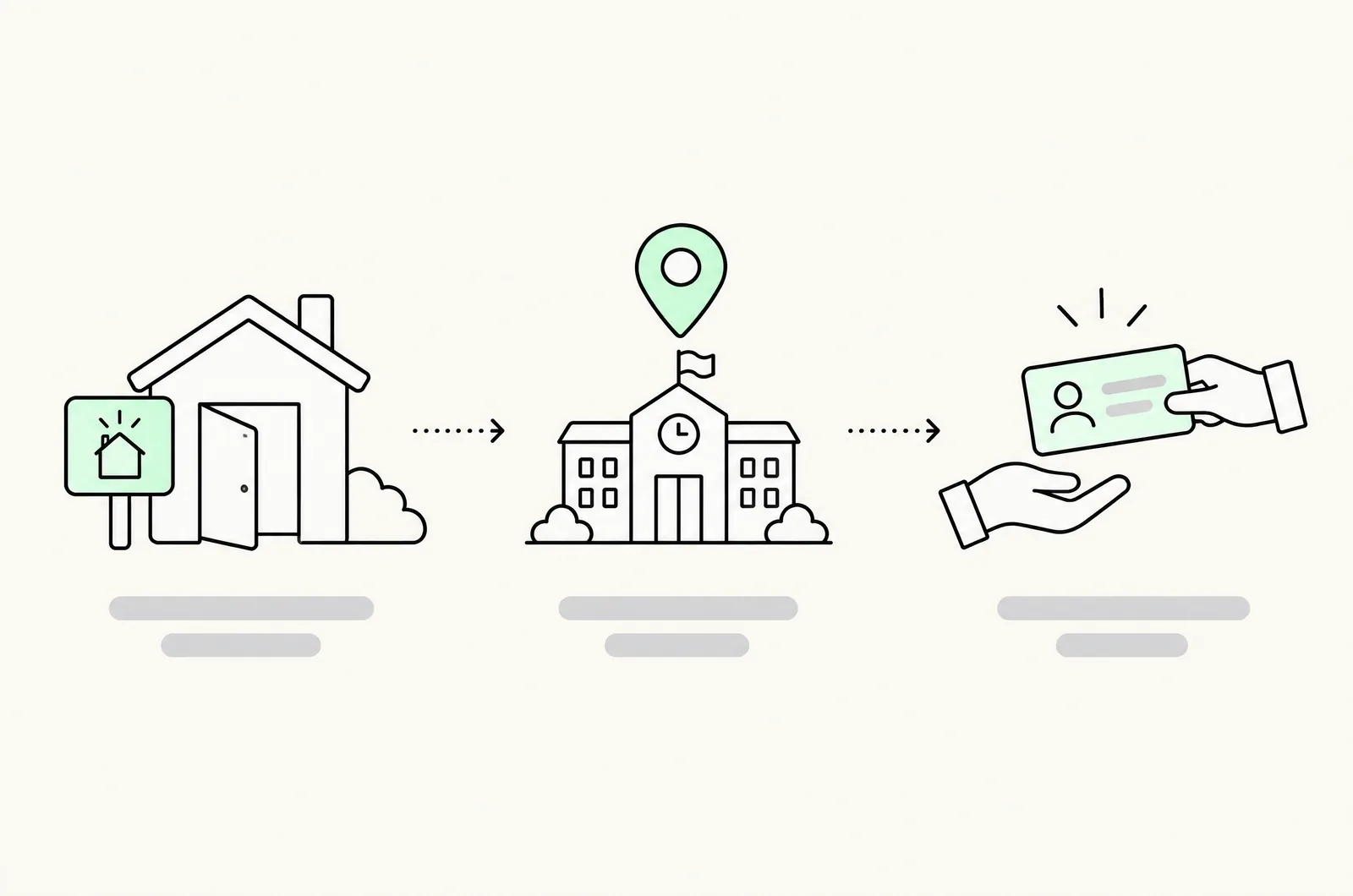
Search and social campaigns that fill autumn open houses, tours and shadow days, with reminders and follow-up. Families who visit enroll at far higher rates than families who only browse.
Grade-specific campaigns
Campaigns targeted to the grades with open seats, such as TK alternatives, kindergarten, grade 6 or grade 9 entry, with messaging for that age and decision.
Parent-search SEO and reviews
Pages for programmes, tuition and aid, transport and extended care that rank for 'private school [neighbourhood]', plus a steady review programme for Google and parent sites.
Inquiry-to-enrollment nurture
Email sequences from inquiry to application and contract, written for parents and timed to your admissions calendar and financial-aid deadlines.
Referral and ambassador programme
Simple referral tools for current parents, parent-ambassador events and tracking of which referrals enroll.
Re-enrollment and retention
Communications to current families ahead of re-enrollment contracts and transition grades, so fewer seats open up in the first place.
Six school markets, six kinds of parent
Where California's private schools compete, and what parents weigh in each.

San Francisco & the Peninsula
Some of the most competitive independent-school admissions in the country, with families applying to several schools at once. Distinctive programmes and clear financial-aid messaging matter.
East Bay & Silicon Valley
Families comparing private schools with high-performing public districts, often for STEM and language programmes. Parents research outcomes and class sizes in detail.
Los Angeles Westside & the Valley
A dense independent-school market with many entry points and long commutes. Neighbourhood and transport content decides short lists.
Pasadena & the San Gabriel Valley
Established independent and faith-based schools, plus strong demand for Mandarin and bilingual programmes. Families rebuilding after the January 2025 Eaton fire may need flexible or mid-year entry.
Orange County
Faith-based and independent schools serving large family communities in Irvine, Newport and south county. Extended care and athletics often sway decisions.
San Diego
Military families who move often, plus independent schools in La Jolla and North County. Rolling admissions and mid-year entry messaging suit PCS moves.
From seat audit to signed contracts
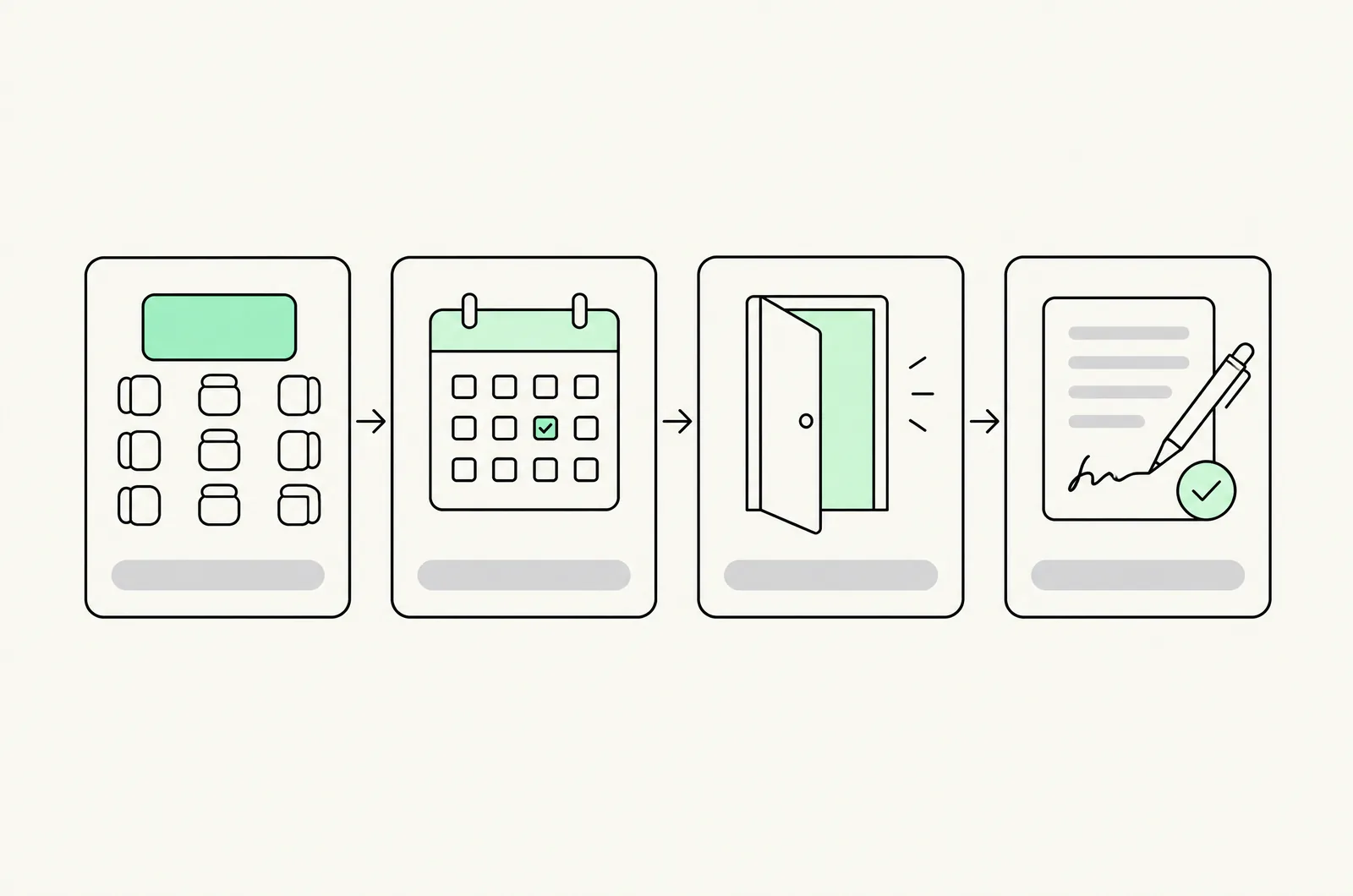
- Step 01
Seat and funnel audit
Open seats by grade, last year's inquiries, visits, applications and contracts, and where families dropped out or left.
- Step 02
Admissions calendar
Campaigns built back from your open houses, application deadlines, aid dates and re-enrollment contracts.
- Step 03
Fill the visits
Open-house and grade-specific campaigns, parent-search SEO, and referral tools for current families.
- Step 04
Report on seats
Monthly inquiries, visits, applications and signed contracts by grade and source.
A school specialist vs a general agency vs doing it in-house
In-house costs are directional and depend on seniority and metro.
Grade-specific seat campaigns
- General marketing agency
- School-wide brand ads
- In-house California hire
- If time allows
- Conversion (San Francisco)
- Yes
Positioning against universal TK
- General marketing agency
- Not considered
- In-house California hire
- Varies
- Conversion (San Francisco)
- Yes
Referral and ambassador programme
- General marketing agency
- No
- In-house California hire
- Informal
- Conversion (San Francisco)
- Yes
Re-enrollment and retention communications
- General marketing agency
- No
- In-house California hire
- Usually
- Conversion (San Francisco)
- Yes
Reports signed contracts by grade
- General marketing agency
- Clicks and leads
- In-house California hire
- Spreadsheet
- Conversion (San Francisco)
- Yes
Typical monthly cost
- General marketing agency
- $2,000–$7,000 fee
- In-house California hire
- $7,500+ per marketer (directional)
- Conversion (San Francisco)
- From $3,500 fee
New families, not the same ones
- Consumer brand · national
+37%
Gross sales, year on year
Actively Black: reaching new families, not the same ones
Actively Black is an apparel brand, not a school, and not a California client. What carries over is growth from new audiences rather than re-reaching people who already know you. Schools that only market to their existing community fill fewer seats each year.
Priced per admissions season
USD, excluding media and event costs.
Admissions season
From $3,500/mo
One school · autumn to spring
Open-house campaigns, grade-specific search and social, and inquiry-to-enrollment nurture through one admissions season. Media is separate.
- Open-house campaigns
- Grade-level targeting
- Contracts-by-grade report
- Most popular
Year-round programme
$6,000–$11,000/mo
One or more campuses
Everything in admissions season, plus parent-search SEO, reviews, the referral programme and re-enrollment communications.
- Parent-search SEO
- Referral programme
- Retention communications
Pay-on-results
Base + per seat
Qualifying schools
A lower base plus a fee per new signed enrollment contract above an agreed baseline.
- Baseline agreed up front
- Paid per signed contract
- Same reporting
Private school marketing questions
How do private schools attract more families in California?
How does universal TK affect private preschools and elementary schools?
When should private schools start advertising?
How do you market a school without hard-selling?
Can you help with re-enrollment and retention?
Which California private school markets do you work in?
What does private school marketing cost?
How do you protect families' and students' privacy?
Related California pages


Sources and statutes
Every figure and regulation cited on this page.
Facts and thresholds last checked 19 November 2026.
- PPIC — California's transitional kindergarten expansion2025-26 was the first year every four-year-old was eligible for public TK; about 213,000 enrolled.
- California Privacy Protection Agency — 2025 CCPA monetary threshold adjustmentsAnnual gross revenue threshold for a covered 'business': $26,625,000 (Civil Code §1798.140(d)(1)(A)).
Fill next year's open seats
30 minutes with a senior strategist. Bring open seats by grade and last year's inquiry numbers.
What happens next
- 1Pick a time for a 30-minute call.
- 2We review open seats, visits and referrals.
- 3Get a grade-by-grade admissions plan.
Prefer email? tarun@conversion.is